
Japan Burns Rp 1,300 Trillion to Rescue the Yen
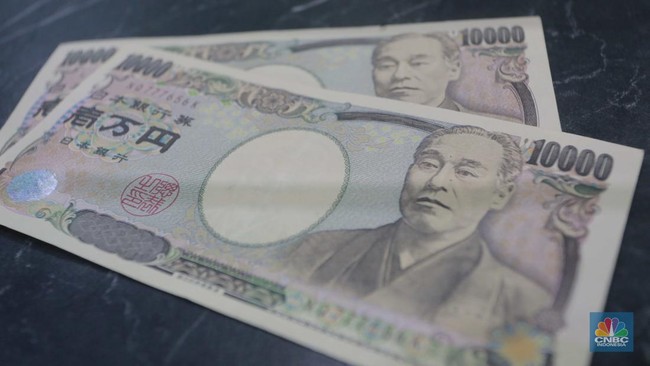
Japanese financial authorities reportedly poured a massive 11.7 trillion yen, equivalent to US$74 billion (Rp 1,331.07 trillion), into the market during April and May to purchase their own currency. This massive market intervention was forced upon them to stem the collapse of the yen’s exchange rate, which has continued to slide to a new 40-year low. The Japanese currency weakened drastically to touch 162.83 per US dollar on Tuesday, triggering strong speculation among market participants that the Tokyo government will soon re-enter the foreign exchange market for emergency intervention in the near future. However, investors and economic strategists warn that unilateral intervention by Tokyo will not be able to reverse the yen’s weakening trend. This is due to the widening gap in benchmark interest rates between the Bank of Japan (BOJ) and the US Federal Reserve, with the Fed projected to maintain a restrictive monetary policy for a much longer period. The BOJ’s recent move to raise its benchmark rate to 1% is considered far too low to compete with US dollar yields, causing the carry trade phenomenon to continue pushing the yen out of the domestic market. “Intervention can slow the fall, punish excessive speculation, and signal official discomfort. But intervention cannot undo the math,” explained Christy Tan, global investment strategist at the Franklin Templeton Institute. Economic observers assert that the current yen weakness is purely driven by the global strength of the US dollar, not a loss of market confidence in the Japanese economy. This indicator is visible in the euro-yen cross rate, which tends to be much more stable; the yen has weakened 3.9% against the US dollar this year but only slipped 0.9% against the euro. Therefore, a solo intervention strategy by Tokyo is considered to provide only a temporary strengthening effect on the yen. Some bond portfolio managers suggest that Tokyo must secure multilateral support and coordination from Washington for the foreign currency intervention to produce a more powerful and permanent strengthening reaction in global financial markets. “As long as investors can borrow cheaply in yen and earn more in dollars, the carry trade will continue to carry yen away,” Tan added. “Tokyo wants a stronger yen without fully accepting the policy cost consequences of that strengthening.” On the other hand, the yen’s depreciation does not entirely harm major Japanese corporations. The yen’s depreciation has successfully boosted overseas revenue and benefited large exporters, reflected in the robust performance of the Japanese stock market and the BOJ’s quarterly Tankan survey showing high optimism among large-scale manufacturing producers. Nevertheless, the cost burden borne by the general public is reportedly soaring. The weakening yen exchange rate automatically drives up the price of imported goods, squeezes civilian household budgets, and triggers a risky surge in inflation expectations. This condition creates a highly complex macroeconomic policy dilemma for the administration of Prime Minister Sanae Takaichi. The new cabinet is now forced to work extra hard to continue driving national investment and economic growth, while simultaneously having to drain the state budget to channel subsidies to protect the public from soaring energy and food costs.