
Japan Aims to Double Women in STEM by 2040
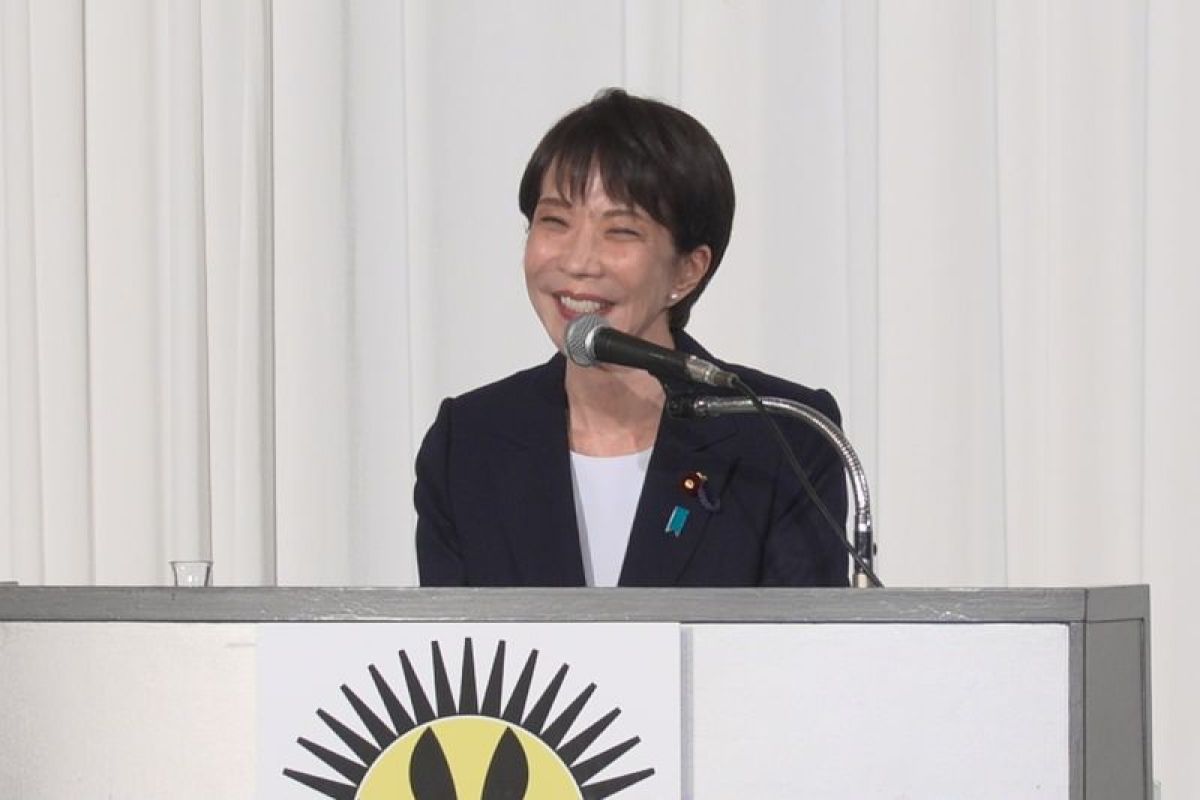
The Japanese government stated on Thursday that it will strive to double the proportion of women in science, technology, engineering, and mathematics (STEM) fields by 2040 and provide assistance to universities actively working to improve gender equality.
The basic policy for 2026 on gender equality highlights the labour shortage in science and engineering fields and the lack of female representation in 17 strategic areas designated by the government for investment, including semiconductors and artificial intelligence.
“We will work swiftly to expand women’s participation. We will raise the standard of talent,” Prime Minister Sanae Takaichi said at a meeting.
The policy sets a goal of increasing the proportion of women in university engineering departments from 18 per cent in 2025 to 36 per cent by 2040 and calls for the development of technical colleges and university departments that will drive economic growth.
The government will work to make workplaces in the shipbuilding and defence industries more accessible by promoting the development of robots and remote technology to reduce the physical demands of jobs.
It will also consider introducing support measures, including tax incentives, for housekeeping and childcare services to help balance work and personal life, as well as enhancing the functions of women’s health clinics.
On the issue of using maiden names on official documents after marriage, the government only stated it would consider the framework for a bill. Japan requires married couples to share the same surname and has been considering allowing married individuals to use their birth surnames on official documents. The issue is controversial in Japan, where most women abandon their maiden names after marriage and can face inconveniences, such as being unable to open a bank account under the maiden name they continue to use professionally.