
Janitor Fish and the Controversy over the Method of Elimination in Jakarta...
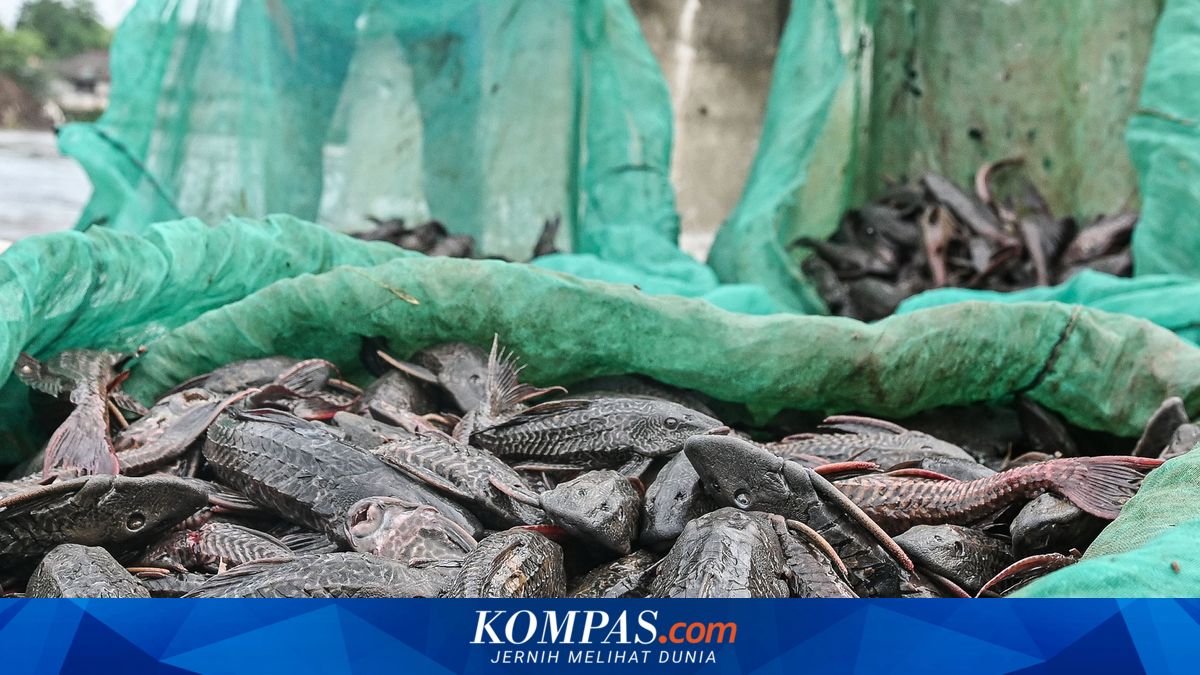
JAKARTA, KOMPAS.com – Mornings on Jakarta’s rivers feel different. In nearly simultaneous breaths, nets are lowered, water is stirred, and thousands of janitor fish are lifted to the surface.
The DKI Jakarta Provincial Government held a river and waterway cleaning operation in five administrative city areas on Friday (17/4/2026).
In less than half a day, from 07.30 to 11.00 WIB, the results were astonishing.
A total of 68,800 janitor fish weighing 6.98 tonnes were successfully captured.
This figure is not just an operational achievement. It serves as an indicator that something is imbalanced beneath the water’s surface.
Behind this major effort, scrutiny has come from the Indonesian Ulema Council (MUI). Not on its purpose, but on the method used.
Secretary of the MUI Fatwa Commission, KH Miftahul Huda, assessed that the extermination method of burying the fish alive contradicts sharia principles and animal welfare.
He explained that Islamic teachings include the principle of rahmatan lil ’alamin, compassion towards all creatures.
Additionally, there is the principle of animal welfare (kesrawan) that prohibits actions causing unnecessary suffering.
“These janitor fish align with maqasid syariah, falling into the category of modern ecological dharuriyyat,” said Miftah, as quoted from the MUI website on Saturday (18/4/2026).
This control measure is considered to support the principle of hifz al-biah or environmental protection and hifz an-nasl or the sustainability of living beings.
However, the method of extermination remains a boundary that must not be crossed.
The method of burial in a living condition is said to prolong death and contain elements of torture.