
Jampidum Approves Rehabilitation for Three Narcotics Cases Through Restorative Justice
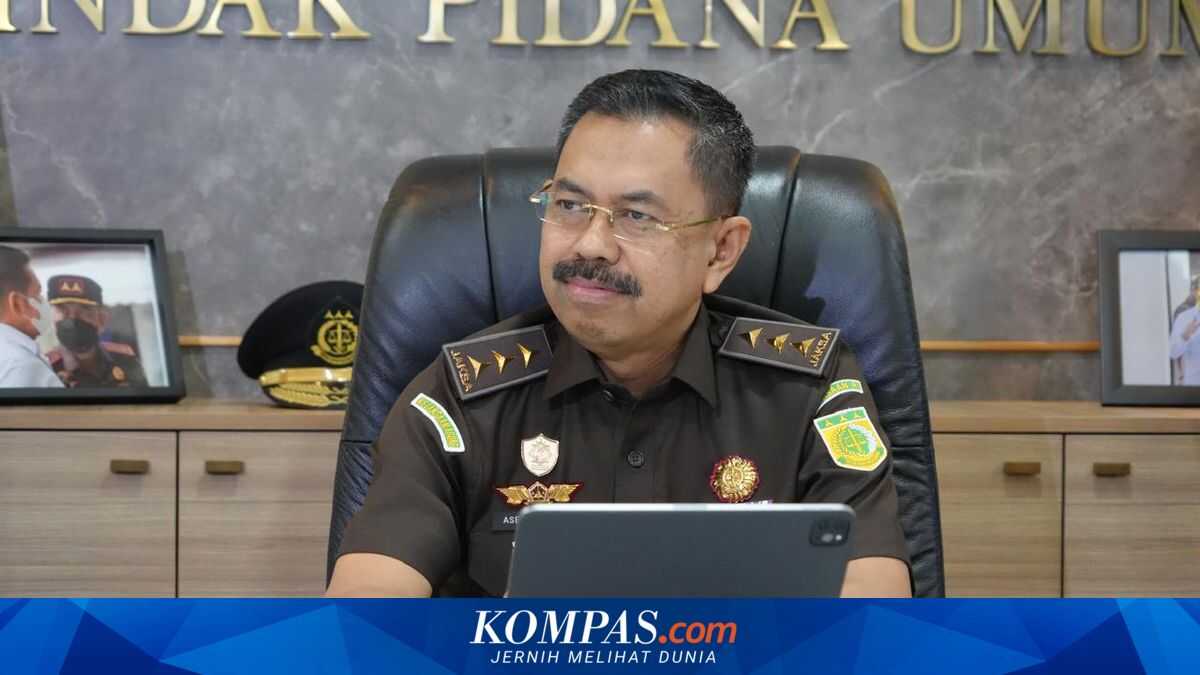
JAKARTA — The Deputy Attorney General for General Crimes (Jampidum), Asep Nana Mulyana, has approved the rehabilitation of three narcotics cases under the restorative justice approach. The approval was given after a case exposé conducted virtually on Friday, 6 March 2026.
‘Chiefs of State Prosecutors Offices are requested to issue a Decision Letter on Case Settlement Based on Restorative Justice in accordance with the Attorney General’s Guideline No. 18 of 2021 on Resolving Narcotics Case Handling Through Rehabilitation with the Restorative Justice Approach as Implemented under the Dominus Litis Principle by the Attorney General,’ Asep said in a statement on Friday.
Asep noted that three cases were approved for settlement via restorative justice.
They were accused of violating Article 609(1) of Law No. 1 of 2023 on the Penal Code as amended by Law No. 1 of 2026 on Criminal Penalty Adjustments, or Article 127(1)(a) of Law No. 35 of 2009 on Narcotics.
The second case came from the Barito Kuala State Prosecutor’s Office and involved two suspects, M. Rahmani alias Mani bin Zarkasi (late) and Efendi alias Nyamuk bin Nasrudin (late).
Both are suspected of violating Article 114(1) Law No. 35 of 2009 on Narcotics in conjunction with Law No. 1 of 2026 on Criminal Penalty Adjustments in conjunction with Article 132(1) of Law No. 35 of 2009 on Narcotics, or Article 609(1)(a) Law No. 1 of 2023 on the Penal Code as amended by Law No. 1 of 2026 on Penyesuaian Pidana in conjunction with Article 132(1) Law No. 35 of 2009 on Narcotics, or Article 127(1)(a) Law No. 35 of 2009 on Narcotics.
The third case comes from the Barito Kuala? Wait no: from the Banjar Regency State Prosecutor’s Office with suspect Hamdanor alias Hamdan bin Rafi’i.
In addition, Hamdanor is also charged with Article 609(1)(a) Law No. 1 of 2023 on the Penal Code as amended by Law No. 1 of 2026 on Penyesuaian Pidana, and Article 127(1)(a) Law No. 35 of 2009 on Narcotics.
Jampidum said the decision to approve rehabilitation for the suspects was based on a number of considerations. First, laboratory forensic results showed the suspects tested positive for narcotics. Second, based on investigations using the know your suspect method, the suspects were not involved in networks of illicit narcotics trafficking and were end users.