
Jampidsus Reveals Paradigm Shift in Corruption Law Enforcement
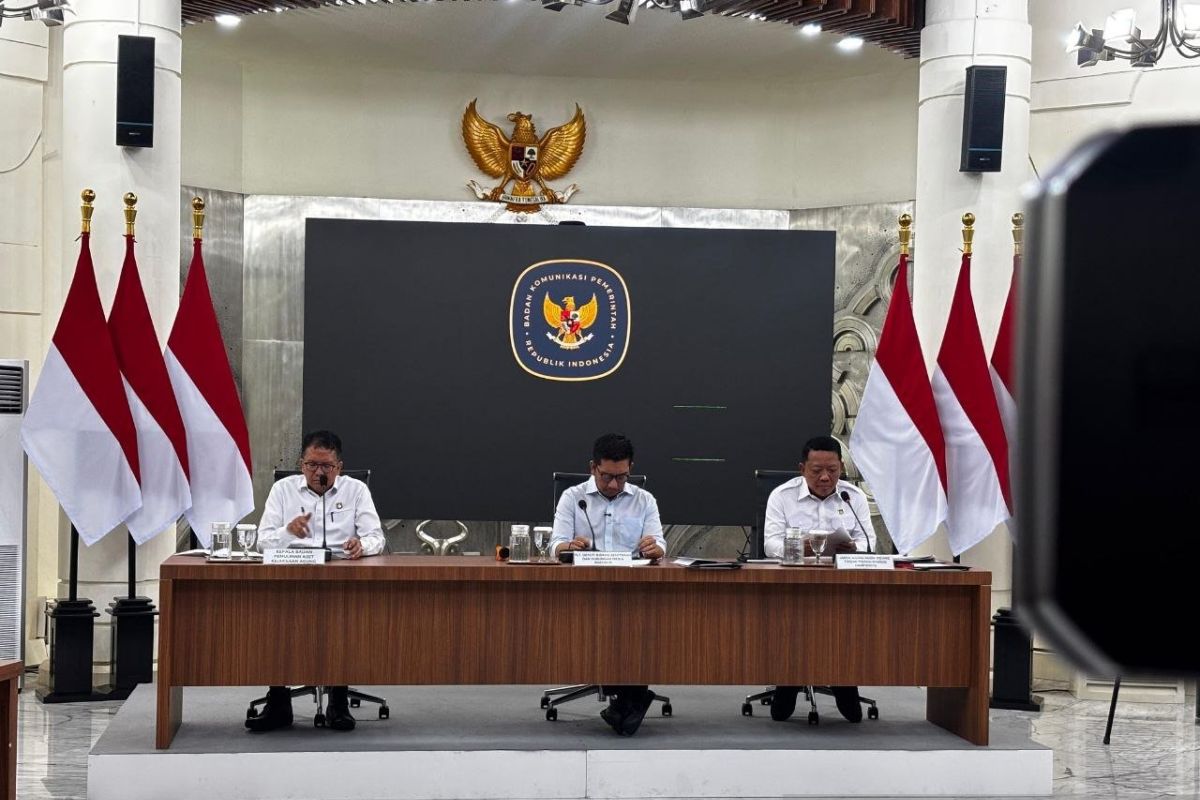
Jakarta (ANTARA) - Junior Attorney General for Special Crimes (Jampidsus) Febrie Adriyansah has revealed a paradigm shift in law enforcement for corruption cases, moving from a focus solely on recovering state finances to calculating the overall recovery of the state’s economic losses.
‘The Duta Palma case serves as an example of applying the approach towards follow the impact, by proving not only the loss of state money, but also the economic, environmental, and natural resource damage, as well as the social burden borne by society,’ Febrie stated during a press conference in Jakarta on Wednesday.
He noted that this shift in prosecution paradigm has also been reinforced at the court decision level. He cited a court ruling, upheld by the high court, which strengthens the resolve of the Attorney General’s Office to also account for the impact resulting from corruption.
In that high court decision, he explained, the defendant Muhammad Kerry Adrianto Riza was ordered, in addition to returning state financial losses of Rp2.9 trillion, to also pay for proven state economic losses amounting to Rp10.5 trillion.
However, Febrie explained that when state financial or economic losses have already occurred, the state has effectively been defeated twice. The first defeat is the failure to prevent corruption, which results in significant consequences and a failure to build good governance. ‘The second defeat is the challenge of locating, securing, saving, and returning the proceeds of crime to the state,’ he clarified.
On the other hand, Febrie disclosed that in many cases, assets derived from criminal acts are no longer in their original form, but have been disguised, transferred, placed under other parties’ names, or even taken abroad. Uncovering these, he said, requires more comprehensive legal approaches through money laundering instruments, asset tracing, asset recovery, and cross-jurisdictional cooperation.
‘One of the fundamental challenges in this recovery is the limitation of the substitute money instrument,’ he explained. As regulated in Article 18 paragraph (1) letter b of the Corruption Eradication Law, the payment of substitute money is, in principle, limited to a maximum amount equal to the assets obtained from the criminal act of corruption.
With such a construction, he said, asset recovery has not yet fully covered the entire impact of the losses incurred, especially when the state or economic losses far exceed the profits directly obtained by the perpetrator.
Nevertheless, his office has recommended governance measures in asset recovery, including pushing for improved governance in all cases handled by the Attorney General’s Office that have obtained legally binding decisions. The office is also encouraging the formulation of trade governance guidelines, such as the tin trade governance that has been completed by the Special Crimes Division.
‘Thirdly, we have also provided suggestions and recommendations regarding the identification of irregularities that occurred in the aircraft procurement at PT Garuda. Furthermore, we are pushing for improvements in palm oil industry governance,’ he detailed. Lastly, he said, the handling of cases has impacted the improvement of business processes for crude oil and refinery product procurement at PT Pertamina.