
Jamnas XII Becomes Renewable Energy Education Platform for Scouts
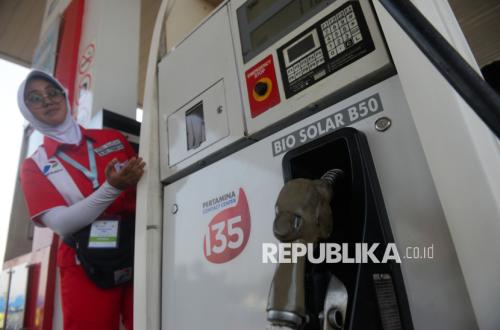
The use of palm oil as a raw material for renewable energy is being introduced to the younger generation amid the development of the national mandatory biodiesel programme up to B50. A total of 5,000 Scouts received education on biodiesel, palm oil utilisation and its derivative products during the 12th National Jamboree (Jamnas XII) 2026 at Buperta Cibubur, East Jakarta.
The education took place on 15-20 August 2026 through the Biodiesel Friends Pavilion in the Renewable Energy Technology Zone, Technology Arts and Culture Village (TSB). The activity was organised by the Indonesian Biofuel Producers Association (APROBI) with funding support from the Plantation Fund Management Agency (BPDP).
APROBI Deputy Chairman Catra de Thouars said the activity was used to introduce the development of biofuel utilisation in Indonesia, including the implementation of the mandatory biodiesel programme up to B50.
“Promoting biodiesel and palm oil has become a routine APROBI agenda at National Scouting activities, and this time we are again participating in the 12th National Jamboree 2026. In this activity, APROBI introduces the use of renewable energy/biofuels, where Indonesia has currently implemented the mandatory biodiesel programme up to B50,” Catra said in a written statement.
The educational material covered four areas: the mandatory biodiesel programme up to B50, the role of palm oil as a biodiesel feedstock, the use of palm oil products in daily life, and the contribution of the palm oil industry to the economy and state foreign exchange earnings.
In its implementation, APROBI involved Scouts from the DKI Jakarta Regional Scout Council as tutors and accompanying resource persons. Several palm oil associations, including the Indonesian Palm Oil Association (GAPKI) and the Indonesian Oleochemical Producers Association (APOLIN), were also involved in the activity.
Each education session lasted about 90 minutes and was attended by 250 participants. With the number of participants reaching 5,000, sessions were held in rotation throughout Jamnas XII.
Catra said APROBI’s involvement in national scouting activities has been ongoing since the 10th National Jamboree in 2016 and continued at the 11th National Raimuna in 2017. Similar activities were then continued in a number of national scouting agendas.
According to Catra, Scouts can become one of the groups that help spread understanding about palm oil and biodiesel utilisation to the public. The education particularly relates to the use of palm oil products beyond food needs.
“We want to convey the enormous benefits of palm oil in our daily lives as well as information that palm oil is a natural resource asset that is the largest foreign exchange contributor for our country, so we must be proud of it and protect it from various negative information,” Catra said.
Jamnas participants also gained an understanding of the use of palm oil products in daily life. Ahmad Ramasaputra, a Scout from the Indragiri Hilir Branch Scout Council, Riau Regional Scout Council, said the material broadened his knowledge about palm oil utilisation, including as a biodiesel feedstock.
“So the use of palm oil is not only for cooking oil but is very much needed for the fuel needs of public vehicles through palm oil biodiesel,” he said.
Another participant, Artan Afrizal Zahran from the Nganjuk Branch Scout Council, East Java Regional Scout Council, said the use of palm oil for various value-added products needs to be known by the younger generation. According to him, information about palm oil derivative products can broaden understanding of the commodity.
Jamnas XII 2026 opened on 14 August 2026 and was attended by around 25,000 Scouts aged 11-15 from various regions in Indonesia, including participants with special needs and overseas contingents.
With the continued development of biodiesel implementation, the introduction of raw materials, utilisation processes and economic impacts has become relevant material for the younger generation. Education of this kind can also help introduce changes in energy use while providing an overview of palm oil’s position in the national fuel supply chain.