
James Riady: Government and Kadin Preparing Indonesia to Face AI Disruption
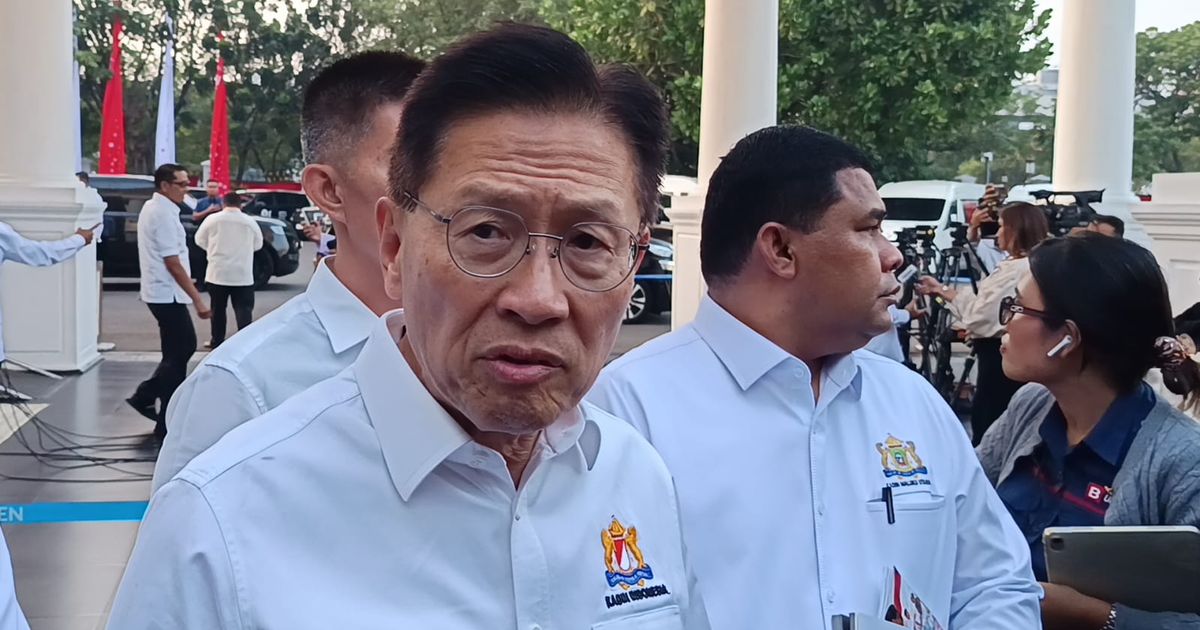
JAKARTA — The Indonesian government, in collaboration with the Indonesian Chamber of Commerce and Industry (Kadin), is preparing anticipatory measures to address the impact of the digital revolution, artificial intelligence (AI), and robotics, which are expected to displace millions of jobs in labour-intensive sectors. Amidst this wave of technological transformation, President Prabowo Subianto is viewed as having established a clear developmental direction, aimed not only at maintaining national economic resilience but also at building a foundation for future industries capable of absorbing new labour.
This was stated by the Vice Chairman of the Foreign Affairs Coordination of Kadin Indonesia, James Riady, following an audience between approximately 150 Kadin officials and President Prabowo at the State Palace in Jakarta on Friday. According to Riady, the world is entering a phase of significant change due to the simultaneous development of AI, robotics, and various new technologies. This transformation will gradually reduce labour-intensive industries, necessitating swift action from both the government and the business sector to prepare the workforce for new economic sectors.
“The President deeply understands this challenge. There are approximately 60 million Indonesian workers who need reskilling and upskilling to enter new industries emerging from technological advancements,” said Riady.
He noted that the government has begun anticipating these changes through the development of new industrial zones, including in Central Java, which is being directed to become a hub for future manufacturing and job creation. Meanwhile, Jakarta and its surrounding areas are projected to evolve into centres for technology-based industry, innovation, and the digital economy. Riady emphasised that Kadin Indonesia shares the government’s commitment to expanding investment and creating jobs across Indonesia, particularly in regions that will serve as the foundation for national economic growth.
Riady also expressed high appreciation for President Prabowo’s leadership, noting a clear developmental vision translated into strategic policies. He stated that the President possesses an offensive strategy to capitalise on new economic opportunities, positioning Indonesia more strongly in the global economy. Key strategic programmes mentioned include strengthening food security, industrial downstreaming, energy security, public housing development, and the formation of Danantara as a national investment instrument under the ‘Indonesia Incorporated’ framework.
Furthermore, Riady revealed growing interest from global investors in Indonesia, particularly in the sectors of AI, robotics, data centres, and high-tech industries. Many international technology companies are increasingly viewing Indonesia—specifically the Batam region and the Jakarta–Karawang corridor—as an investment destination, supported by adequate energy supplies, international fibre optic networks, and Indonesia’s balanced foreign policy.
He noted that Indonesia’s ability to access high-tech GPU chips presents a massive opportunity for the nation to evolve from an AI consumer into a production and development hub for the ASEAN region and the Global South. While acknowledging that some businesses remain cautious due to global economic uncertainty, Riady observed that domestic business activity remains expansive, evidenced by high demand for retail space in various regions. He concluded by urging both the business community and the government to maintain financial discipline amidst increasing global volatility, noting that short-term financing with foreign currency debt is no longer suitable for the current global climate.