
Jambi City targets 538-hectare increase in rice planting area for 2026
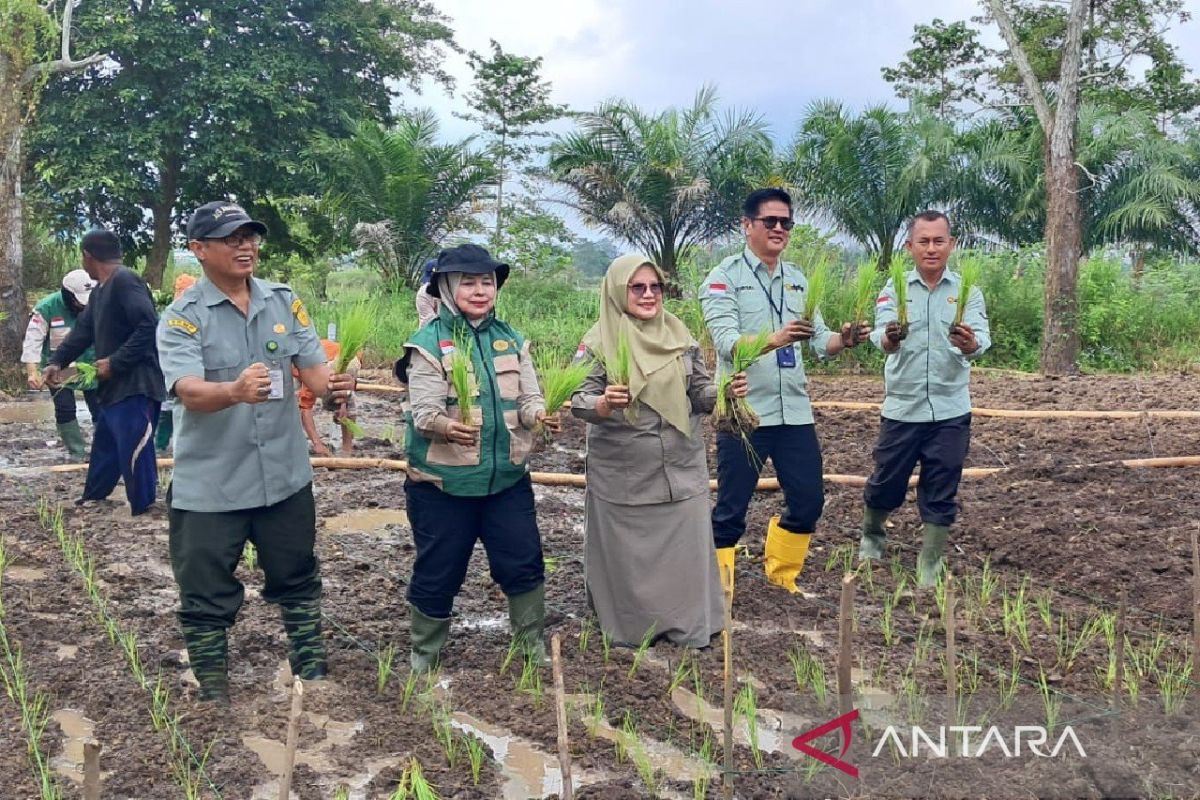
The Jambi City Department of Agriculture and Food Security (DPKP) is targeting an increase in rice planting area (LTT) of 538 hectares by 2026 as part of an effort to support the national food self-sufficiency programme.
Amiruddin, Head of the Food Crops and Horticulture Division of DPKP Jambi City, stated on Wednesday that increasing the planting area target is part of the government’s strategy to boost local rice production. He noted that this target represents an increase compared to the previous year.
The 2026 target is an increase from the 2025 target, which was set at 520 hectares. In 2025, the actual planting area reached 534 hectares, an increase of approximately 2.69 per cent from the initial target based on the Standard Rice Field Area (LBS) of 459 hectares, with an average productivity of 5.6 tonnes of harvested dry grain per hectare.
According to Amiruddin, several steps have been prepared to ensure the target is met. One of the Department of Agriculture’s strategies is to optimise the use of available standard rice fields to ensure all agricultural land potential is maximised to increase planting areas and support production growth.
The department is also encouraging an increase in the Planting Index (IP) in specific areas and accelerating the planting season to speed up the realisation of the established planting area targets. DPKP regularly holds coordination meetings with Field Agricultural Extension Officers (PPL) and the Centre for Agricultural Modernisation Application (BRMP) to support the implementation of this programme. These coordination efforts are designed to monitor planting progress in the field and find solutions to various challenges faced by farmers.
Amiruddin added that the increased planting area target for 2026 is also driven by the addition of 8 hectares of upland rice (padi gogo) planting.