
JakLingko Subsidy Leakage: DPRD DKI Urges Evaluation of Per-Kilometre Payment Scheme
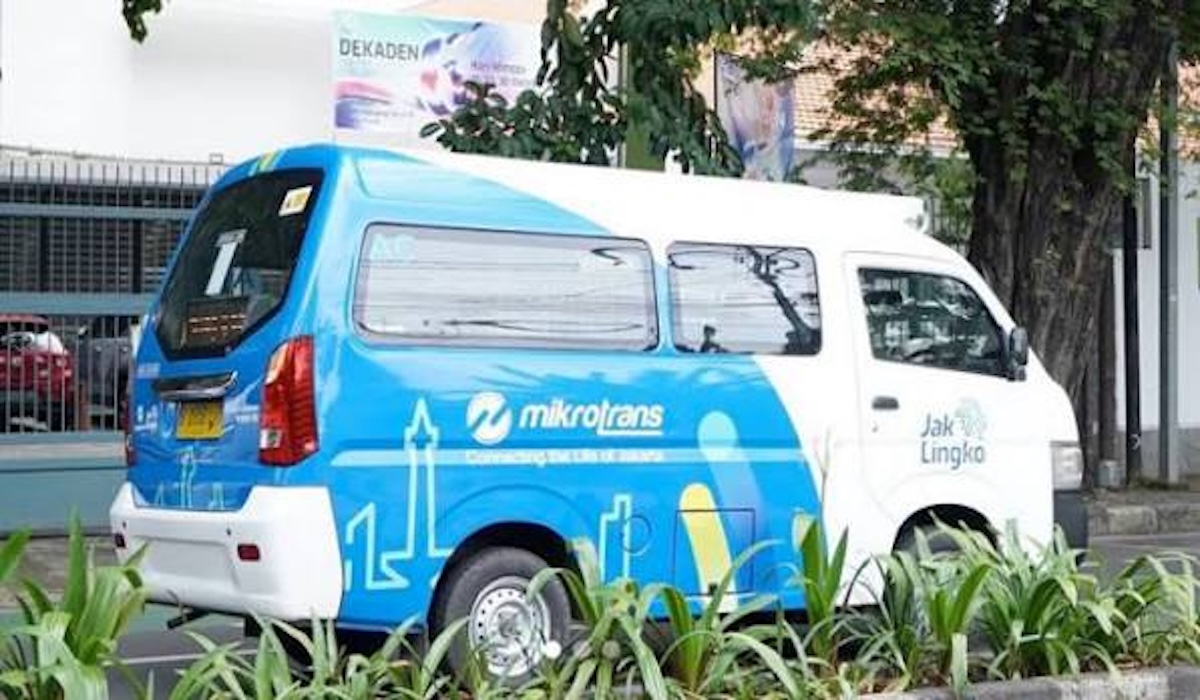
Hengky Wijaya, Secretary of Commission B of the Jakarta DPRD, has urged the DKI Jakarta Transportation Agency (Dishub) to promptly evaluate the Public Service Obligation (PSO) subsidy scheme for the JakLingko transport service. The move follows suspected budget inefficiencies and potential leaks in the governance of the subsidy.
Hengky argued that the current ‘buy the service’ mechanism is misdirected, as operators are paid based on the distance travelled by their fleets rather than the number of passengers served. This has encouraged operators to chase kilometre targets while disregarding public service.
“What matters to them is meeting the target of 200 kilometres per day, and they get paid per kilometre. Whether there are passengers or not, they keep driving. This is a common complaint from the public,” said Hengky at the DPRD DKI Jakarta building on Tuesday (28/7).
As a result, many JakLingko units continue operating even when empty. There have even been reports of drivers ignoring prospective passengers in order to meet their daily distance targets. Hengky proposed that Dishub change the calculation of operating costs and profits so that it is more measurable and distinct from the TransJakarta model.
Beyond operational issues, Hengky revealed indications of serious irregularities in the opening of new routes. He admitted he was once offered Rp4 billion to facilitate the approval of a particular route. He regards this finding as a signal of “games” being played in the distribution of subsidy funds.
“I was once offered Rp4 billion to open a new route. I was shocked. No one would dare offer that much if there were no games being played. This must be fixed,” he asserted.
He further asked Dishub to investigate cooperative practices suspected of selling transport vehicles together with their routes at high prices. There are also allegations of deposit deductions taken from subsidies that should have been received in full by operators. He also recommended route evaluations so that fleets can be redirected to routes with high demand in order to improve budget effectiveness. (Z-10)