
Jakarta's Waste Crisis: DKI Jakarta DPRD Member Kenneth Calls for Mass Mobilisation from District Heads to Village Chiefs
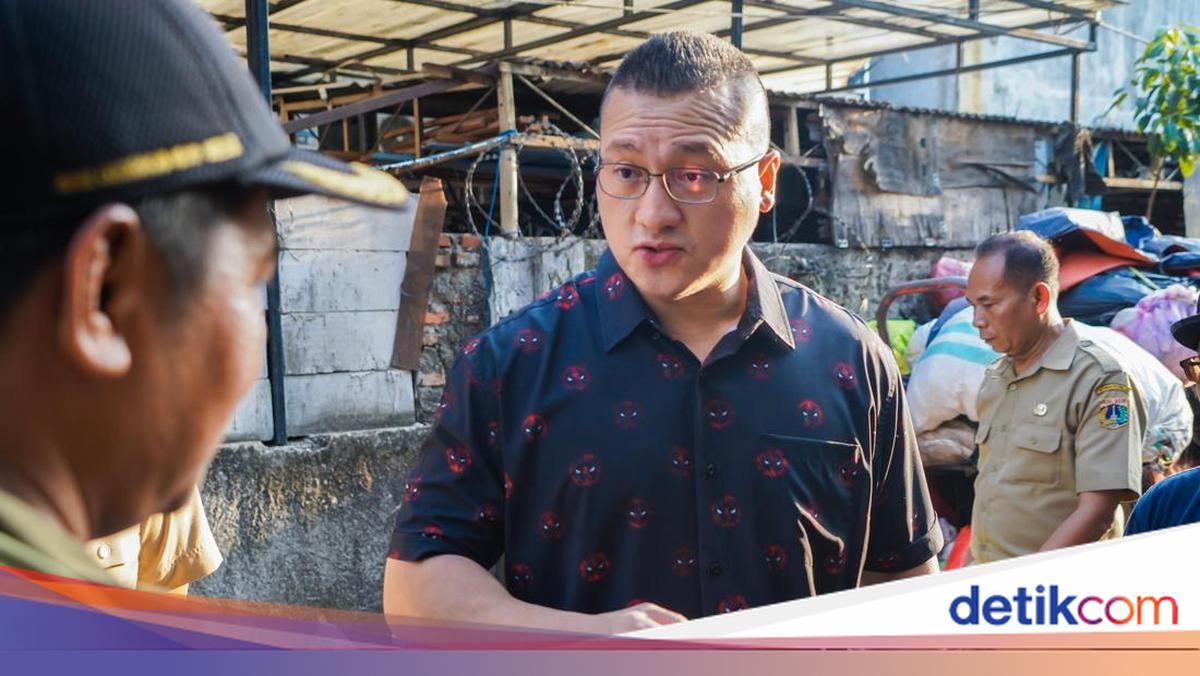
Hardiyanto Kenneth, a member of the DKI Jakarta Regional House of Representatives (DPRD) from the PDI Perjuangan faction, stressed that managing the capital’s waste cannot rely solely on the Environment Agency but requires comprehensive collaboration from mayors, district heads, village chiefs, District Environmental Offices, RT/RW units, and the public.
Known as Bang Kent, Kenneth said the main issue is not just waste collection but low public awareness and understanding of waste management at the source.
“District heads, village chiefs, and regional District Environmental Offices must collaborate, as many residents still do not understand waste management. Education must be intensive, regular, and consistent—not sporadic,” Kenneth stated on Sunday (24 May 2026).
He said short-term approaches must be strengthened through direct public outreach, environmental monitoring, and a massive household waste segregation movement.
“Short-term measures require intensive education and oversight. Officials must frequently visit communities instead of waiting for issues to go viral before acting. District heads, village chiefs, and District Environmental Offices must actively engage residents down to RT and RW levels,” said the DKI Jakarta DPRD Commission C member.
However, Kenneth stressed Jakarta must also have long-term strategies to avoid recurring issues whenever the Bantargebang Integrated Waste Management Facility (TPST) faces disruptions.
He recalled Jakarta’s waste crisis during Governor Sutiyoso’s (Bang Yos) era when access to TPST Bantargebang was disrupted due to social conflicts and local opposition in the early 2000s. The provincial government then took emergency measures by opening Nagrak in North Jakarta as a temporary dumping site to prevent the city from being paralysed by waste accumulation.
“The crisis revealed Jakarta lacks an independent waste management system, with weak segregation, recycling, and modern processing technologies. Over-reliance on Bantargebang would become an extreme problem,” he added.
Kenneth said the situation remains relevant today. Even with TPST Bantargebang disruptions, Jakarta could still face waste accumulation in various areas.
Therefore, Kenneth urged the DKI Jakarta Provincial Government to prioritise waste management under Governor Pramono Anung and Deputy Governor Rano Karno’s leadership, ensuring its success.
“Waste management must be a top priority for the governor and all officials. If it fails, a reward and punishment system must be enforced—sanctions for underperforming local agencies and rewards for success, with clear performance evaluations for relevant departments,” he stressed.
Kenneth added that waste management transformation must no longer focus solely on downstream efforts but start at the source.
He urged strengthening TPS 3R (Reduce, Reuse, Recycle), household segregation of organic and inorganic waste, developing waste banks, and building modern waste processing technology to reduce reliance on landfills or open dumping.
“We cannot keep thinking of dumping waste at Bantargebang and calling it done. The mindset must shift to processing waste. As a major city producing thousands of tons daily, Jakarta needs a modern, sustainable system,” he said.
Kenneth also called for cross-regional integration and strengthened inter-agency coordination to prevent waste issues from being handled in a siloed manner.
“Waste issues must not be seen as solely the District Environmental Office’s responsibility. It’s a shared task. District heads, village chiefs, RT/RW, schools, markets, businesses, and the public must act together. If everyone operates in isolation, the problem will never be resolved,” he said.
He hopes the current waste management review can be a turning point for systemic change in Jakarta.
“We do not want a repeat of past waste crises. Jakarta must transform from a city that merely disposes of waste to one that manages and processes it modernly, systematically, and sustainably,” he concluded.