
Jakarta's Saturday Morning Air Quality Ranks Among World's Ten Worst
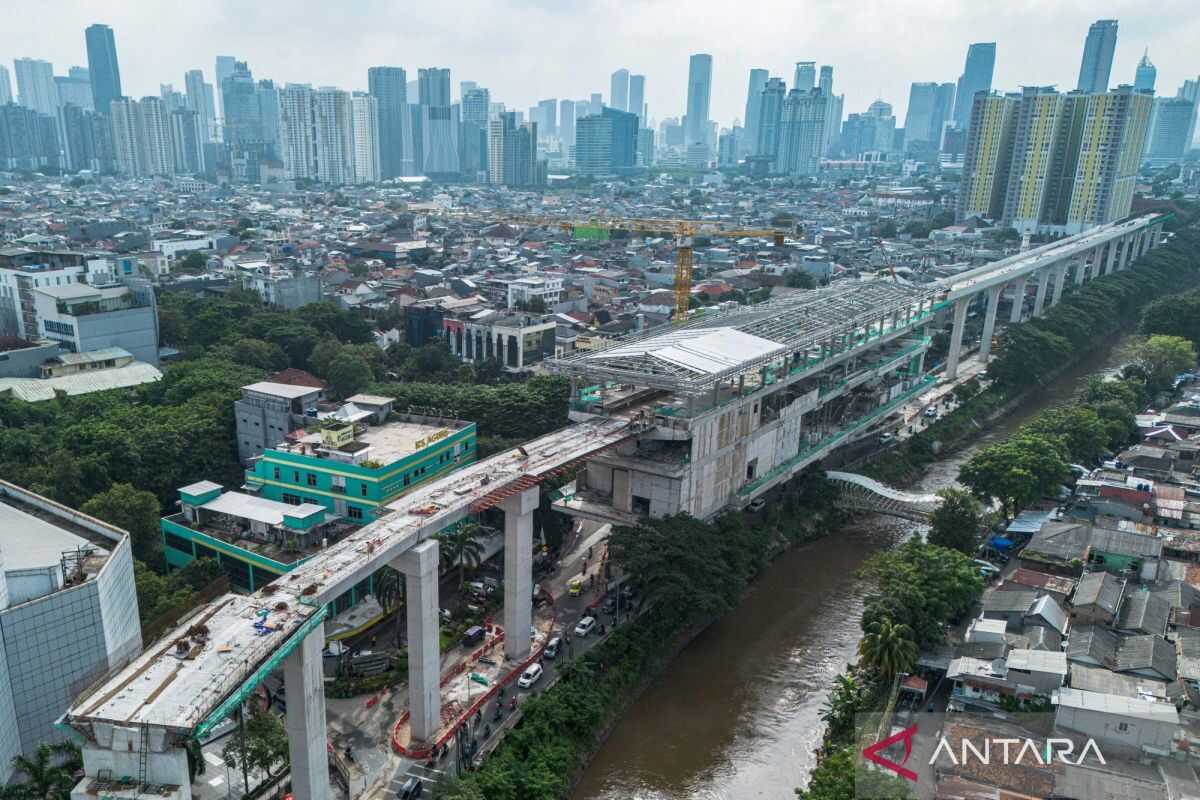
Jakarta’s air quality on Saturday morning ranked among the top ten worst in the world, falling into the unhealthy category.
According to data from air quality monitoring site IQAir at 05:25 Western Indonesian Time, Jakarta’s Air Quality Index (AQI) stood at seventh worst globally with a reading of 161, placing it in the unhealthy category.
Jakarta’s air pollution, measured by PM2.5, recorded a concentration of 70 micrograms per cubic metre. This level indicates that the air quality is unhealthy for sensitive groups, as it can be harmful to humans and sensitive animal populations, and may cause damage to plants and aesthetic values.
The moderate category, with a PM2.5 range of 51–100, is considered to have no impact on human or animal health but may affect sensitive plants and aesthetic values.
The good category, with a PM2.5 range of 0–50, indicates air quality that poses no adverse effects on human or animal health and does not affect plants, buildings, or aesthetic values.
The very unhealthy category, with a PM2.5 range of 200–299, indicates air quality that can harm the health of certain segments of the exposed population. The final category, hazardous (300–500), generally indicates air quality that can cause serious health harm to the population at large.
The city with the worst air quality was Kabul, Afghanistan, at 370, followed by Lahore, Pakistan, at 238, Dhaka, Bangladesh, at 233, and Kolkata, India, at 230.
In fifth place was Delhi, India, at 193, sixth was Mumbai, India, at 172, seventh was Hanoi, Vietnam, at 163, ninth was Chengdu, China, at 157, and tenth was Beijing, China, at 155.
The public is advised to always wear masks when outdoors, keep windows closed to avoid polluted outside air, and switch on air purifiers.