
Jakarta's Rubbish Piling Up Everywhere: This Turns Out to Be the Chain of Problems
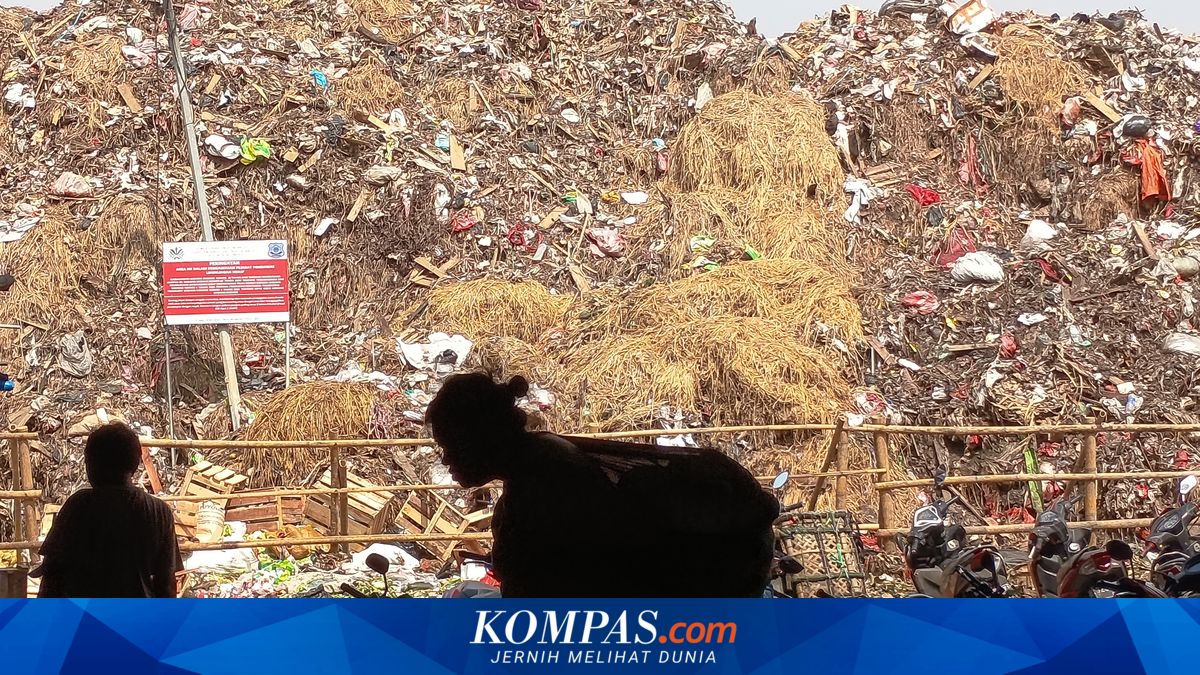
Rubbish accumulation has occurred at several points in Jakarta in recent times, particularly since March until early April 2026. This piling up of rubbish has affected areas from neighbourhood temporary collection points to market areas and residential zones. At the Waduk Cincin temporary collection point in Papanggo, North Jakarta, rubbish was seen overflowing onto the access road. The piles even reached around two metres and obstructed the movement of transport trucks. “Yes, the trucks have to go through here to get there. But because the rubbish is piling up, it’s placed here,” said Anto (30), a local resident, on Monday (6/4/2026). A similar situation occurred at the Tambora Flats in West Jakarta. Rubbish even piled up to the sixth floor due to a clogged vertical disposal system (trash chute). At the Kramat Jati Main Market in East Jakarta, mountains of rubbish reappeared after previously occurring in January 2026, with heights reaching six metres. Meanwhile, at the Rawadas temporary collection point in Duren Sawit, rubbish piles reached two to four metres because no trucks were collecting it. The impact is also felt by field officers. Long queues occurred at the Jatinegara temporary collection point, even lasting for hours. “Sometimes we leave at 03.00 and don’t finish until noon, because of the queue,” said Ali (40), a cleaning officer. As a result, the quota of trucks that can dispose of rubbish at Bantargebang has been drastically cut, from around 308 trucks per day to only 190 trucks. This restriction means many trucks cannot immediately unload their cargo and even have to return without unloading. “Now it’s restricted. Even if we come, if there’s no data, we can’t enter. We have to go back,” said one transport officer. The impact is chain-like. Rubbish from temporary collection points is not collected, then piles up at temporary collection points.