
Jakarta's 'Rubbish Island' Finally Cleared After Three-Day Operation
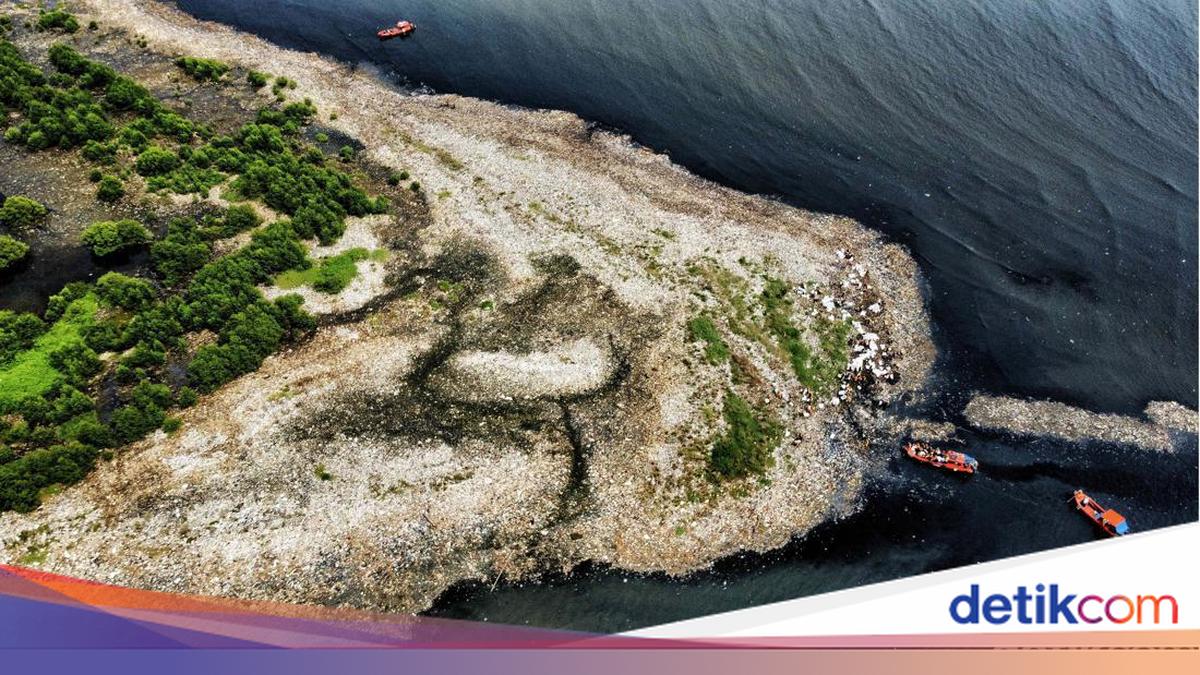
The appearance of a ‘garbage island’ on the northern coast of Jakarta (North Jakarta) has come under intense scrutiny. After three days of intensive handling, the ‘garbage island’ has finally been cleared.
Jakarta Governor Pramono Anung stated that the ‘garbage island’ on the North Jakarta coast, specifically at the Muara Adem coast in Muara Angke, Penjaringan, has been removed. He explained that the ‘garbage island’ formed because waste was carried by currents and accumulated.
“As for Muara Angke, the ‘garbage island’ occurred due to sedimentation,” Pramono told reporters at the Jakarta City Hall on Friday (5/6/2026).
The cleaning process was carried out by multiple parties over three consecutive days. The accumulated waste was manually cleared by joint task force officers before finally being transported away by waste collection vessels.
“We have been conducting dredging for three days now. Is it finished? It is finished,” said Pram, his familiar nickname.
‘Garbage Island’ on Jakarta’s Northern Coast
Waste accumulation on Jakarta’s northern coast remains a complex issue. Prior to the ‘garbage island’ going viral, waste piles had appeared in several areas, including Cilincing, the Muara Angk mangrove forest area, and the Marunda coast.
Hundreds of tonnes of waste have been removed from these locations. However, it is suspected that littering behaviour continues to trigger the formation of new waste piles, including the creation of the ‘garbage island’.
The existence of the ‘garbage island’ resurfaced in the public eye after videos went viral on social media. The expanse of waste was located approximately 600-700 metres from the shore.
The sedimentation of this waste is believed not to have formed in a single day or week. It is estimated that the waste was carried by currents and accumulated over a long period until it eventually formed the ‘garbage island’.
This waste accumulation has also been a grievance for local fishermen, as it frequently gets caught in their boat propellers while they are at sea. Consequently, fishing activities are disrupted and operational costs have increased.
The waste pile forming the island is suspected to have been carried by river and sea currents, accumulating and rising above the sea surface to resemble land. Joint officers will continue to tidy up these waste piles over the coming days.
Joint Task Force Dredges ‘Garbage Island’
A joint task force has been deployed to clear the ‘garbage island’. A total of 70 personnel were involved in the operation.
“This activity is being carried out collaboratively, involving approximately 70 joint personnel,” stated the Waste Management Unit (UPS) of the Water Body Agency under the Jakarta Environmental Agency (DLH) via the Instagram account @upsbadanairdlhdki, on Thursday (4/6).
The dozens of personnel included the UPS Water Body Agency of Penjaringan District, the Environmental Sub-department of the Thousand Islands Administrative Regency, the Environmental Technical Service of Penjaringan District, and elements of the Water Police (Polairud) of the Metro Jaya Regional Police.
The joint officers worked to clear the ‘garbage island’ as a follow-up to community complaints submitted through social media channels. The waste pile was located at the Sediment Island on the Muara Kali Adem coast, Penjaringan District, North Jakarta.
“Coastal and sediment areas are vulnerable points where waste sent from the sea or water bodies tends to gather. This condition requires special handling and cooperation from various parties to ensure waste can be promptly removed and does not cause wider impacts on the coastal environment,” they explained.