
Jakarta's RDF Rorotan Plant to Only Accept Household-Sorted Inorganic Waste
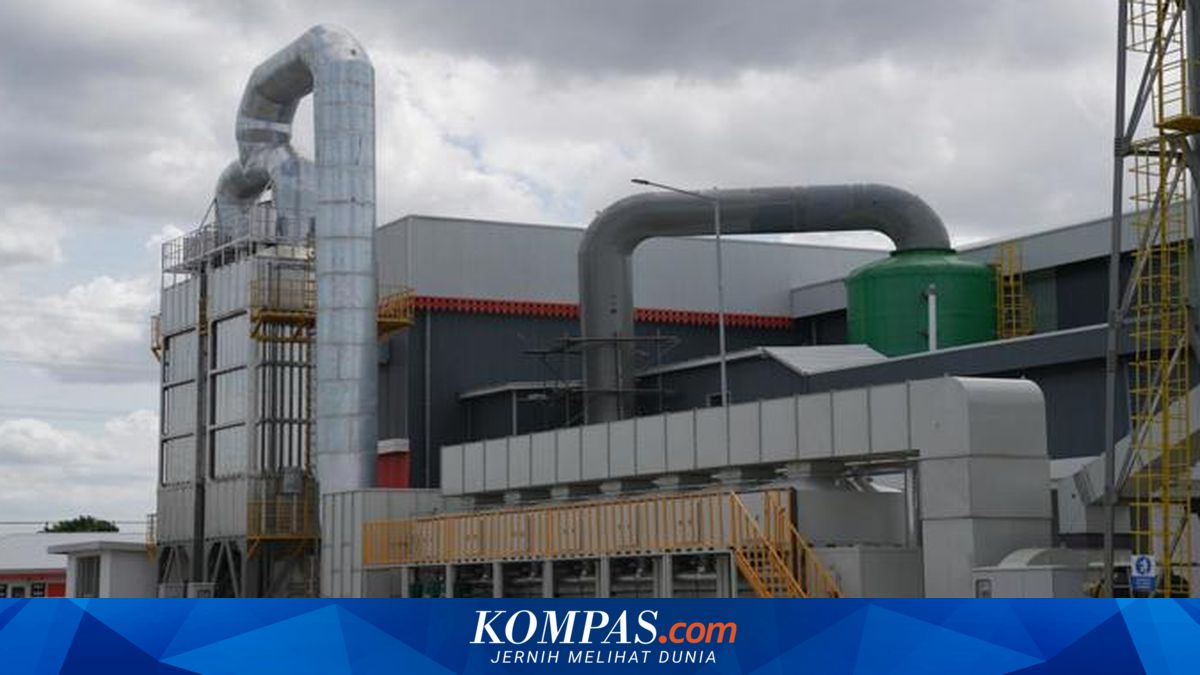
JAKARTA, KOMPAS.com - The Jakarta Provincial Government plans to make the Refuse Derived Fuel (RDF) Plant Rorotan facility in North Jakarta only receive household-sorted inorganic waste. Head of the DKI Jakarta Environmental Service (DLH) Dudi Gardesi said that currently RDF Rorotan still receives mixed household waste. However, going forward, RDF will be directed to process inorganic waste that has been sorted from the source. ‘Going forward, RDF Rorotan is also planned to only receive inorganic waste that has been sorted from households,’ Dudi said when reached via WhatsApp, Friday (22/5/2026).
Capacity enhancements are undertaken considering the readiness of road access to the facility, the addition of new compactor trucks, and feedback from residents around the RDF Rorotan area. According to Dudi, strengthening sorting of household waste is part of the long-term target of the Jakarta Provincial Government in RDF management. ‘Optimising sorting of waste at the source (households), then managing sorted inorganic waste at the RDF facility,’ he said.
Dudi explained that the quality of RDF is heavily influenced by the characteristics of the waste processed. Therefore, sorted inorganic waste is expected to yield RDF of better quality. ‘The quality of RDF will correspond to the characteristics of the waste processed. The better the characteristics of the waste, in this case dominated by inorganic materials, the higher the RDF product quality is believed to be,’ he said.
Currently, RDF Rorotan has a design capacity to process 2,500 tonnes of waste per day. The Jakarta Provincial Government regards the RDF’s presence as important to help reduce Jakarta’s dependence on the Bantargebang Integrated Waste Treatment Site (TPST) which currently has limited capacity. ‘As the capital city of Indonesia and the national growth centre, Jakarta, which has a vision as a Global City, remains heavily dependent on TPST Bantargebang located outside Jakarta’s area in waste management. The Bantargebang TPST’s capacity is nearing its limit,’ said Dudi.
According to him, RDF will make a large contribution to reducing the amount of waste that is sent to Bantargebang every day. ‘When RDF operates at full capacity, RDF will process 2,500 tonnes of waste from 7,800 tonnes per day transported to the Bantargebang TPST,’ he said. Nevertheless, RDF still faces challenges because most of the household waste entering the processing facility is still mixed, which can cause odours. Currently, the RDF facility is equipped with emission and odour control systems, including: 4 sets of deodorisers and a series of air pollution control devices: cyclone, baghouse filter, wet scrubber, wet electrostatic precipitator, and activated carbon filters.