
Jakarta's new firefighting robot capable of detecting toxic gas
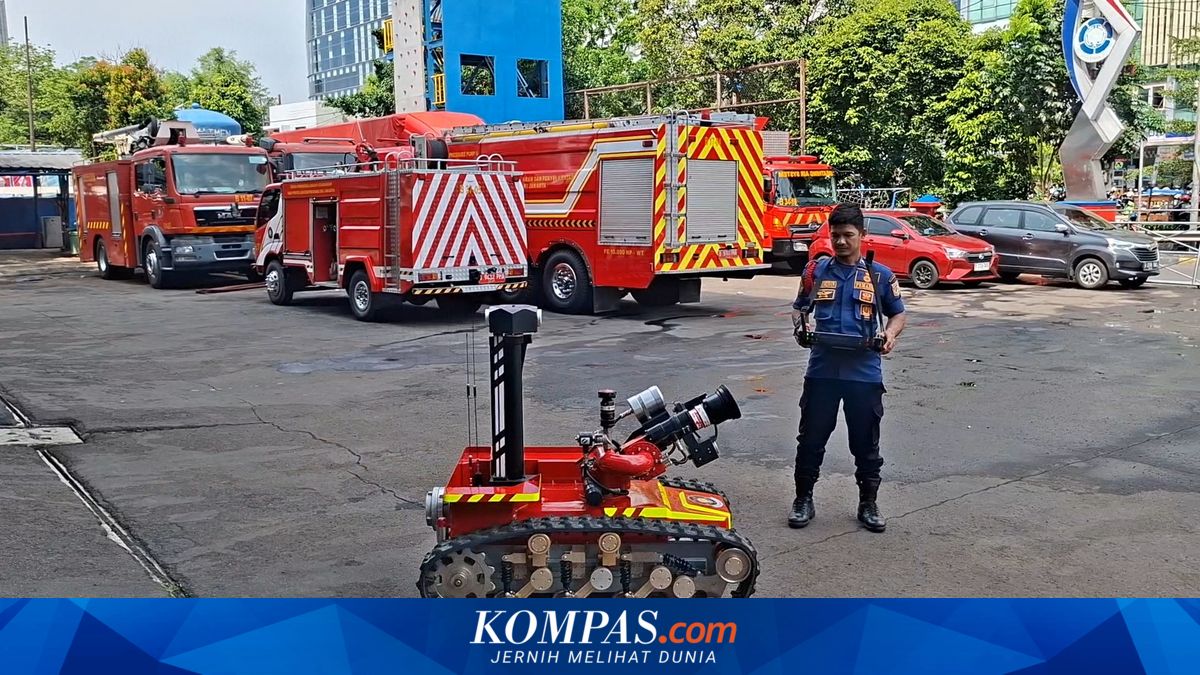
Jakarta’s firefighting and rescue service (Gulkarmat) now relies on the MRF-500 firefighting robot, which not only sprays water but also detects toxic smoke and harmful gases at fire scenes. The robot, imported from China by late 2025, is an innovation to enhance firefighter safety during high-risk incidents such as high-rise buildings, basement areas, and industrial facilities storing chemicals.
“This is typically deployed early upon arrival as it has sensors to assess conditions. Using its camera, we can see inside the premises and check air quality to determine if it’s safe,” said Tohirudin at the West Jakarta Gulkarmat office on Thursday (28 May 2026).
The ability to monitor air quality is the MRF-500’s key advantage. Based on sensor readings, on-scene commanders can immediately determine safety protocols for personnel.
Tohirudin cited its critical role during the Miami warehouse fire in Kalideres (11 May 2026) and a plastics factory fire in Kapuk, Cengkareng (18 May 2026).
“Those incidents were particularly challenging. When the robot was deployed at Miami and Kapuk, toxic air was detected, with CO2 levels reaching 250% – which is extremely dangerous,” he explained.
“The commander immediately ordered strict protocols, including breathing apparatus, to prevent casualties as even brief exposure causes severe breathing difficulties,” he added.
In addition to gas sensors, the robot features caterpillar tracks for navigating difficult terrain, similar to a tank. Four built-in cameras allow personnel to monitor conditions inside buildings in detail.
“It’s very helpful during initial phases; we can assess the situation, locate fire hotspots, and enter only once the internal conditions are clear,” Tohirudin added.
The MRF-500 operates via remote control from a safe distance of up to 300 metres, extendable to 1 kilometre with an additional antenna. This technology enables personnel to remain in safe zones while the robot operates in hazardous areas.