
Jakarta's Mandatory Waste Sorting: What's Missing?
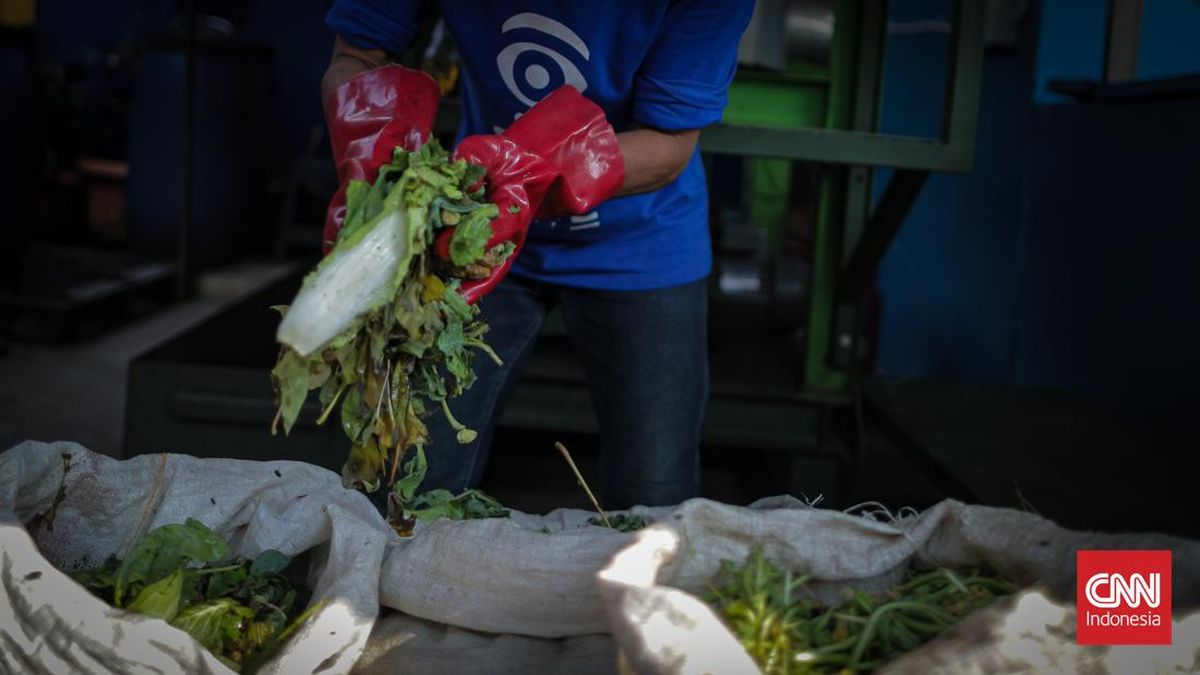
The Jakarta Provincial Government has officially mandated waste sorting in accordance with Gubernatorial Instruction (Ingub) Number 5 of 2026 concerning the Waste Sorting and Processing from Source Movement. This policy was issued a month after the then Minister of Environment, Hanif Faisol Nurofiq, requested an immediate halt to open dumping waste management at the Bantargebang Integrated Waste Processing Site (TPST) following a garbage landslide. Hanif also requested that Jakarta immediately issue a policy stipulating that Bantargebang would soon stop receiving organic and inorganic waste.
Since the Ingub was signed on 30 April 2026, socialisation of the waste sorting policy has been deemed insufficient. Head of the Jakarta Environmental Agency, Dudi Gardesi, previously stated in a written statement that socialisation at the neighbourhood level (RT) is ongoing. The substance and reach of the socialisation emphasise providing the public with a complete understanding of the sorted waste management flow, from source, collection, and transportation to final processing. “To support this, the Decree of the Head of the Environmental Agency regarding Implementation Guidelines is currently under discussion and is targeted for completion by the end of June 2026 so that it can begin to be implemented in July 2026 as a strengthening of the implementation strategy down to the regional level, including RT/RW,” Dudi said on Tuesday (23/6).
Several residents interviewed admitted they were not yet aware of the mandatory waste sorting obligation. “Many people here are not yet willing to sort their waste. It’s business as usual,” said Fadhila Puspita, a resident of Pekayon, Pasar Rebo, East Jakarta, some time ago. According to her, besides being unwilling to sort waste, most residents also do not yet have separate bins to differentiate organic from non-organic waste. Fadhila added that waste collection officers do not really mind, and will sort the waste themselves if they have spare time.
In Jakarta, the practice of waste sorting is not actually new. Composting communities are spread across various areas, and some are initiatives of RT/RW administrators. In RT 006/03, Warakas Village, Tanjung Priok District, North Jakarta, the collection of organic waste, referred to as Kitchen Organic Waste (SOD), was initiated by Dasawisma cadres. Dasawisma is an extension of PKK activities at the RT/RW level, reaching units of 10-20 families per neighbourhood. A Dasawisma cadre, Dwi Fitriani, said cadres like herself coordinate the transportation of kitchen organic waste. “After it is deposited at the RW office and weighed, there are other officers responsible for managing how the waste is processed,” she said. Regarding the Jakarta waste sorting socialisation, Dwi often shares the provincial government’s appeals to residents via messaging app groups. In addition to continuous information and encouragement to residents, she believes the most urgent need for residents to practice sorting is the provision of waste bins. “We have a plan to distribute waste bins per household, with two separate sections for dry and organic waste. Hopefully, there will be funds for procuring the bins,” Dwi said.
By the end of June 2026, the Jakarta Provincial Government is targeting the waste sorting socialisation to reach the majority of residents. Governor Pramono Anung has been aggressively campaigning by visiting waste management initiatives in various areas. Jakarta’s 499th Anniversary celebration was also used for the Waste Sorting Movement Assembly, centred at Monas Square (21/06). Independent research institute World Resources Institute (WRI) Indonesia praised the Jakarta Provincial Government’s initiative. They assess that message delivery on the waste issue is a key to improving waste management and reducing emissions in Indonesia. In a limited public perception survey on methane conducted by WRI Indonesia with CNN Indonesia Academy last February, it was shown that the majority of the public supports government-run waste management policies. However, more than 40 per cent of respondents still do not understand the link between kitchen waste and greenhouse gas emissions. “We hope that socialisation continues more aggressively in Jakarta so that the public is interested and enthusiastic about getting involved. Furthermore, this Jakarta initiative can be continued to various other cities, although the application may differ,” said WRI Indonesia Urban Development & Clean Air Manager Satya Utama.
The Jakarta Provincial Government continues to strive for the Ingub to be accepted and implemented by residents. Head of the Jakarta Environmental Agency, Dudi Gardesi, stated that the biggest challenge in implementing this policy is changing public behaviour. Socialisation is expected to encourage waste sorting to become a new habit and culture for residents. Dudi also said that socialisation at the RT level continues. “Currently, the Environmental Agency is continuously strengthening the substance and reach of socialisation by emphasising a complete understanding to the public regarding the sorted waste management flow, from source, collection, transportation, to final processing,” Dudi said on Tuesday (23/6). He continued that this is important to build public trust that sorted waste is truly managed according to its type. To support this, he is currently discussing the Decree of the Head of the Environmental Agency regarding Implementation Guidelines so that it can begin to be implemented in July 2026 as a strengthening of the implementation strategy down to the regional level. Dudi said that along with increasing public awareness in sorting and processing, especially organic waste, he hopes for support from all parties for this programme. Regarding the many residents who do not yet have separate bins for organic and non-organic waste, Dudi acknowledged that this is also a concern for his agency.