
Jakarta's Free Health Screening Programme Reaches 2.57 Million Residents
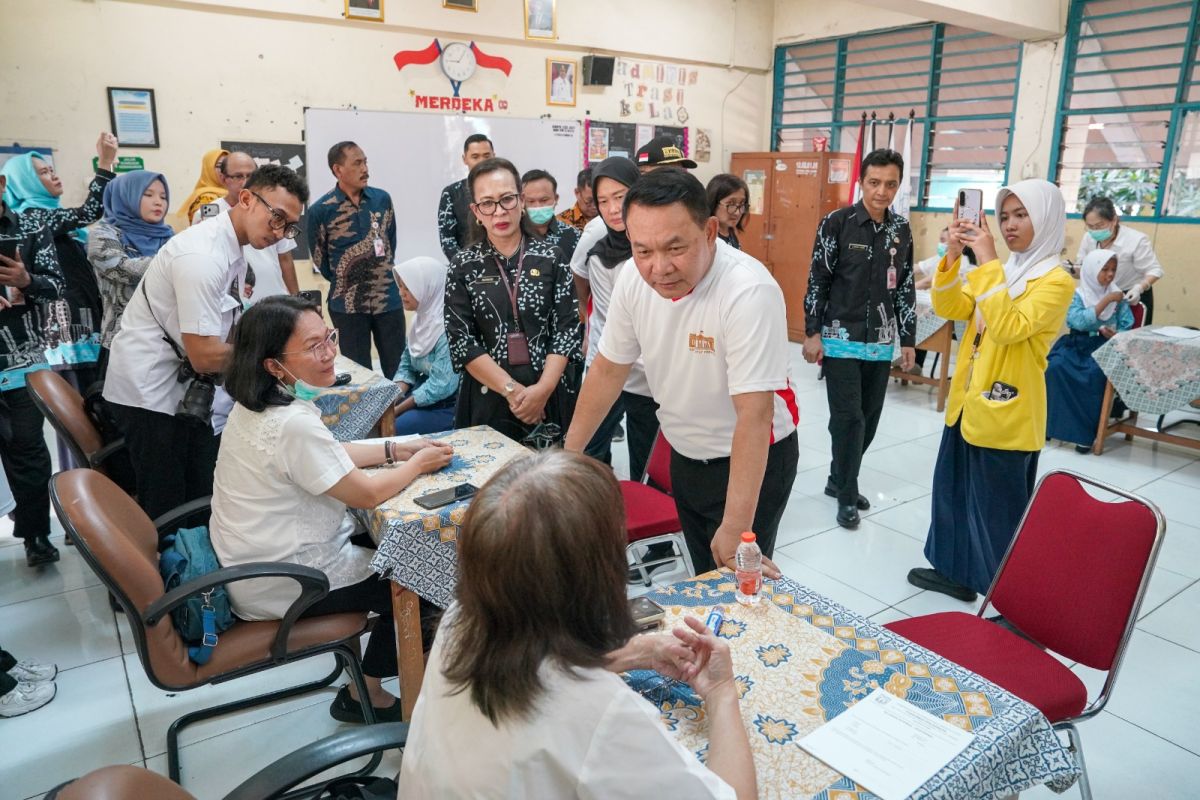
The Jakarta Provincial Government has recorded that its Free Health Screening programme (CKG) reached approximately 2.57 million residents by the end of June 2026, representing 23.24 per cent of the total target population for the second quarter of 2026. This achievement has surpassed the quarterly target of 23 per cent, according to Octoviana Carolina, Head of Public Health at the Jakarta Health Office. The overall target for the CKG programme in 2026 is 46 per cent of the total target population.
The provincial government has implemented various efforts to boost the programme’s uptake, notably through a community-based CKG approach. Octoviana stated that this approach has proven highly effective in improving public access to health screenings, as some community groups previously faced difficulties visiting health facilities due to time constraints, work commitments, or mobility issues. “Through the community approach, health services are brought closer to the people,” she said.
The programme is conducted at integrated health posts (Posyandu), workplaces, schools, universities, places of worship, and other community activities, successfully reaching groups that had never previously undergone health examinations. Beyond expanding screening coverage, the approach also strengthens health education, enables early detection of disease risk factors, and encourages the public to seek follow-up care at community health centres (Puskesmas) should conditions requiring further treatment be identified.
The CKG examination components in Jakarta follow technical guidelines issued by the Ministry of Health, with additional screenings introduced in 2026 covering several skin diseases, including leprosy, yaws, and scabies. The programme not only provides screening but also delivers treatment for participants found to have health problems, with treatment and referral pathways aligned with the national health insurance system, BPJS Kesehatan.