
Jakarta's Air Quality Ranked Worst in the World This Morning
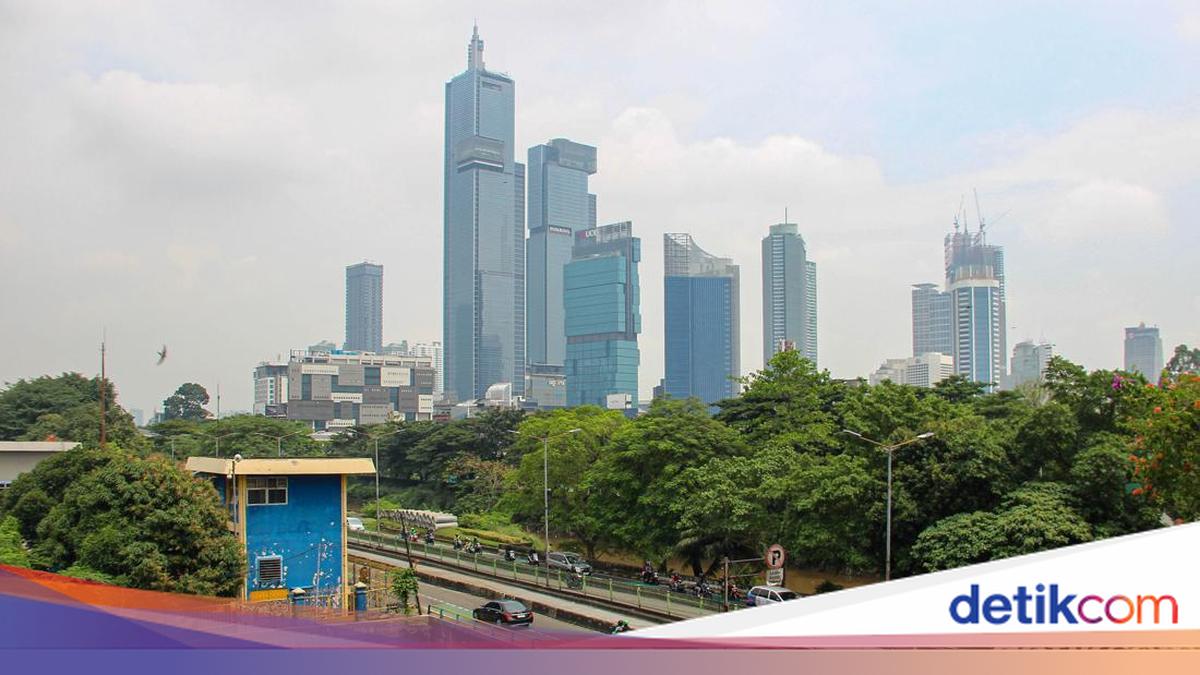
Air quality in Jakarta has entered the unhealthy category, ranking first as the city with the worst air quality in the world this morning. The Air Quality Index (AQI) in Jakarta stands at 174, which is classified as unhealthy.
According to data from the IQAir monitoring website at 05:50 WIB on Thursday (2/7/2026), PM2.5 pollution levels reached a concentration of 73 micrograms per cubic metre. This figure indicates an air quality level that is unhealthy for sensitive groups, as it can be harmful to humans or sensitive animal groups, and can cause damage to plants or aesthetic values.
The website also recommends that, given the air conditions in Jakarta, the public should avoid outdoor activities. If outdoors, it is necessary to wear a mask and keep windows closed to avoid dirty outdoor air.
For context, the ‘good’ category refers to air quality levels that have no effect on human or animal health and do not affect plants, buildings, or aesthetics, with a PM2.5 range of 0-50. The ‘moderate’ category refers to air quality that does not affect human or animal health but affects sensitive plants and aesthetic values, with a PM2.5 range of 51-100. Furthermore, the ‘very unhealthy’ category ranges from 200-299, where air quality can harm certain segments of the exposed population. Finally, the ‘hazardous’ category (300-500) represents air quality that can generally cause serious health risks to the population.
The cities with the second, third, fourth, and fifth worst air quality were Chengdu, China (156), Kinshasa, Democratic Republic of the Congo (154), Addis Ababa, Ethiopia (149), and Kampala, Uganda (142).
Meanwhile, the Jakarta Environmental Agency (DLH) has launched an integrated air quality monitoring platform supported by 31 Air Quality Monitoring Stations (SPKU) distributed throughout the metropolitan area.
Data obtained from these SPKU units is displayed through the air quality monitoring platform. This initiative was created as an improvement over previous systems and complies with applicable national standards.
The website also displays data from the 31 SPKU in Jakarta, integrating data from the Jakarta Environmental Agency, the Meteorology, Climatology, and Geophysics Agency (BMKG), the World Resources Institute (WRI) Indonesia, and Vital Strategies.