
Jakarta's 0% Electric Vehicle Tax: Effective in Boosting Adoption?
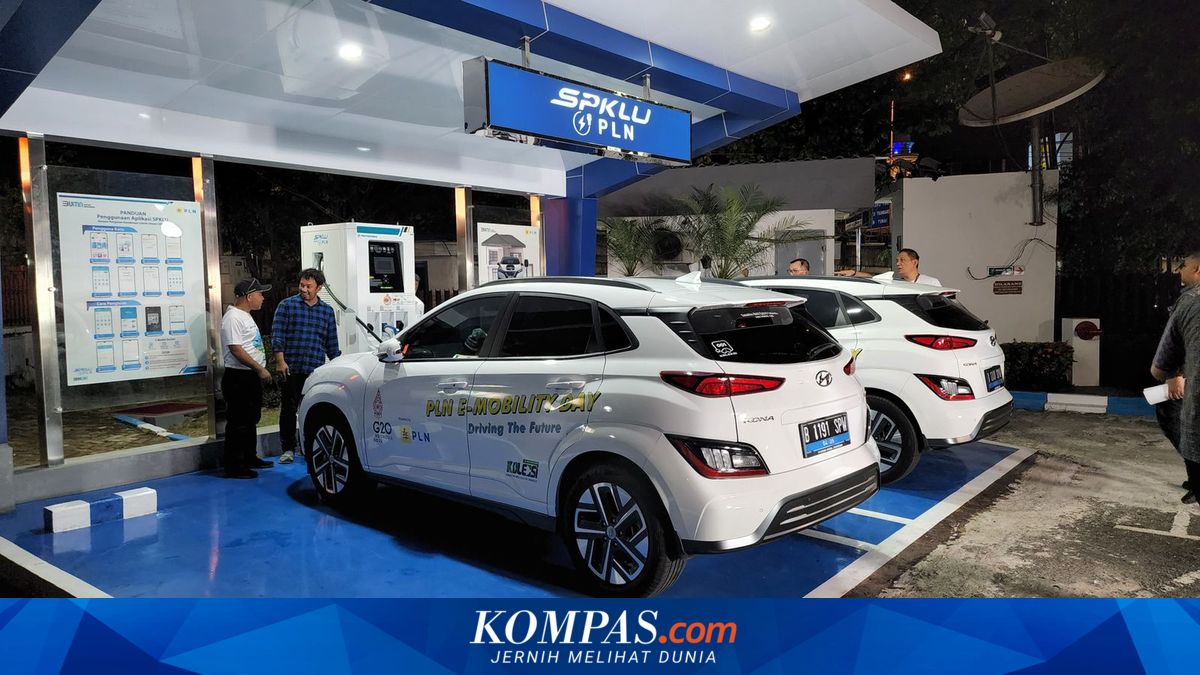
The DKI Jakarta Provincial Government has once again extended incentives in the form of tax exemptions for electric vehicles, while maintaining non-fiscal policies such as exemption from odd-even restrictions.
This step signals that Jakarta remains consistent in accelerating the adoption of electric vehicles, amid regulatory dynamics at the national level.
“The electric vehicle market is still not mature. So, the 0% incentive is still effective in lowering initial ownership costs,” Andry told Kompas.com on Tuesday (5/5/2026).
He explained that one of the main factors influencing consumers’ decisions to switch from internal combustion engine (ICE) vehicles to electric vehicles is the initial cost that must be incurred.
In this context, tax incentives become a significant driver, especially for entry-level vehicle segments, both electric motorcycles and cars.
“The initial cost is an important variable. When incentives are provided in full, this can encourage consumers to start switching,” he said.
On the other hand, Andry assessed that the advantages of electric vehicles do not stop at the more affordable initial price thanks to incentives.
In the long term, the operational costs of electric vehicles are considered far more efficient compared to conventional vehicles.
“If we look ahead, the operational costs of electric vehicles are much lower than fuel-powered cars,” he stated.
Furthermore, he highlighted that this incentive policy is not merely about losing potential regional tax revenues.
According to him, there are other benefits that are often not directly visible in the fiscal balance, namely the impact on the environment.
“The environmental costs are significant, but not always visible in the regional budget. That’s where the importance of policies like this lies,” said Andry.
The adoption of electric vehicles, he continued, provides positive externalities that can be considered a long-term investment.