
Jakarta Targets 10,000 Electric Buses in Operation by 2030
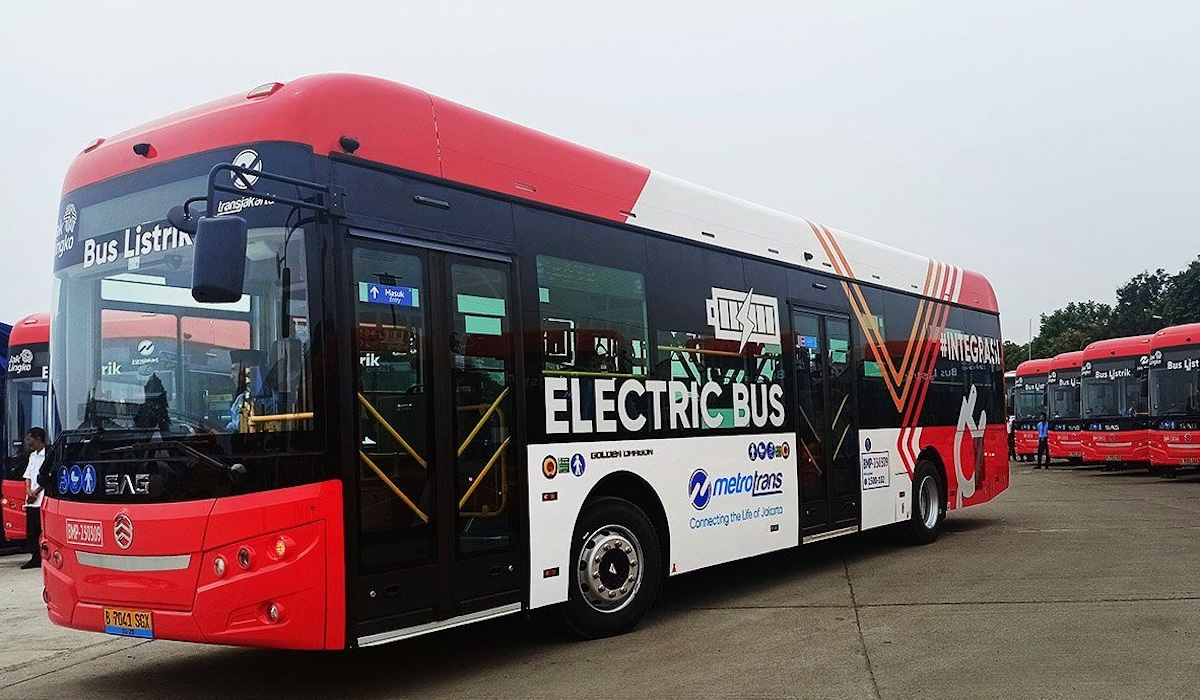
Jakarta Governor Pramono Anung Wibowo is targeting 10,000 electric buses to be operating in Jakarta by 2030. The ambitious move is being pursued as a concrete effort by the Jakarta Provincial Government to reduce carbon emissions and tackle air pollution in the capital.
Pramono explained that the number of electric buses currently in operation has only reached around 500 units. With this target, there will be a significant increase in the provision of environmentally friendly public transport over the next four years.
“In Jakarta, I am targeting that by 2030, whereas now, at the time I am speaking, there are approximately 500 electric buses, I am targeting more than 10,000 electric buses by 2030,” Pramono said in South Jakarta on Thursday (20/8).
Furthermore, Pramono detailed that the fleet being prepared is not limited to battery-based electric buses. The government will also integrate hydrogen-powered buses and hybrid technology into Jakarta’s public transport system.
Through this policy, Pramono hopes to open up space for collaboration with various parties that share a similar vision of reducing emissions. He invited all elements to work together with the Jakarta Provincial Government to create a cleaner environment.
In addition to the positive environmental impact, the transition to electric buses also offers significant economic benefits. According to TransJakarta data, a single electric bus has the potential to save the government up to Rp302 million per year in subsidised fuel costs.
Calculated over the long term, operational cost savings over 5.5 years per unit could reach Rp3.9 billion. This saving is equivalent to the price of a new 12-metre electric bus.
This efficiency is calculated based on the difference between the price of subsidised diesel and commercial fuel, as well as the operational advantages of electric buses compared with internal combustion engine (ICE) buses. As such, the programme not only supports environmental sustainability but also strengthens fiscal resilience by reducing the burden of energy subsidies.