
Jakarta strengthens institutional capacity to drive family-based economic growth
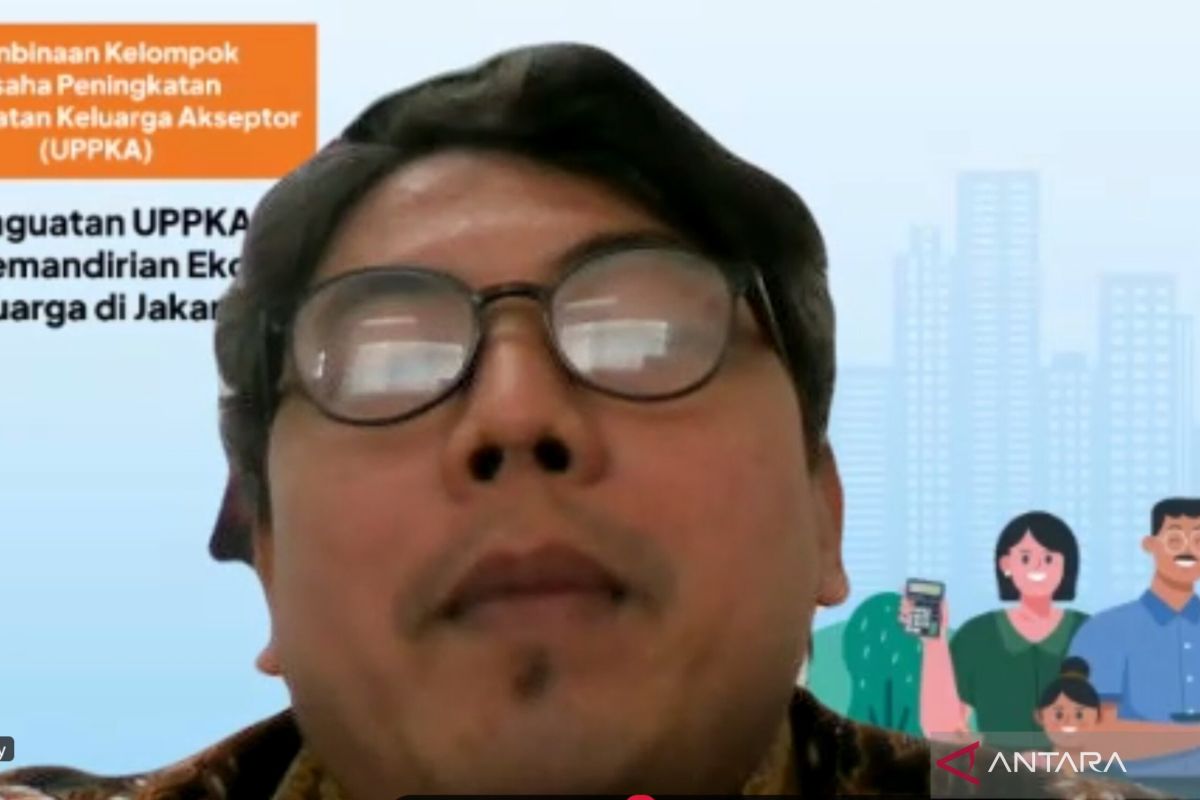
Jakarta (ANTARA) – Jakarta’s Women’s Empowerment, Child Protection and Population Control Agency (PPAPP) is strengthening institutional capacity and the productivity of business groups so they can become drivers of family-based economic growth through the Family Planning Acceptors’ Family Income Improvement Business (UPPKA) programme.
Hary Sutanto, head of the agency’s Community Empowerment and Family Welfare Division, said urban areas such as Jakarta faced a number of economic challenges, including high living costs, intense competition in the micro, small and medium-sized enterprise (MSME) market, and the need for home-based business operators to adopt technology and adapt digitally.
Many families in Jakarta, particularly family-planning acceptors — couples of reproductive age who use contraception — had business potential but remained constrained by limited access and capital, as well as challenges with financial management, product standardisation and digital marketing strategies, he said.
For this reason, UPPKA groups need guidance to strengthen their management skills and foster an entrepreneurial mindset among group administrators and members across Jakarta, enabling their businesses to grow, improve, become more competitive and remain sustainable.
“The aims include strengthening business capacity by providing an understanding of business management and digital marketing strategies for UPPKA products, as well as reinforcing group institutions by encouraging the use of partnership networks with other sectors,” Hary said at an online UPPKA group guidance event held on Thursday.
“The final aims are to identify potential and develop products or services with market opportunities, and to build synergy by strengthening collaboration between programme organisers, UPPKA business operators and Jakpreneur field facilitators,” he added.
Hary said he hoped the guidance would enable group-based economic empowerment for families — including family-planning acceptors, couples of reproductive age and other households in UPPKA groups — to encourage and motivate other families to pursue greater economic independence.
He also said the programme should improve participants’ understanding of product standards so they could compete locally and nationally, increase their knowledge and innovation in promoting their products, and strengthen commitments to collaboration among relevant parties.
“Ultimately, family economic independence can be established through UPPKA groups that transform into productive economic units, improving the standard of living and the welfare of acceptor families sustainably,” Hary said.
Data from the Ministry of Population and Family Development (Kemendukbangga/BKKBN) show that Jakarta had 252 UPPKA groups in 2025.