
Jakarta Reveals Most Common Hoaxes: Fake Invitations and Social Assistance Scams
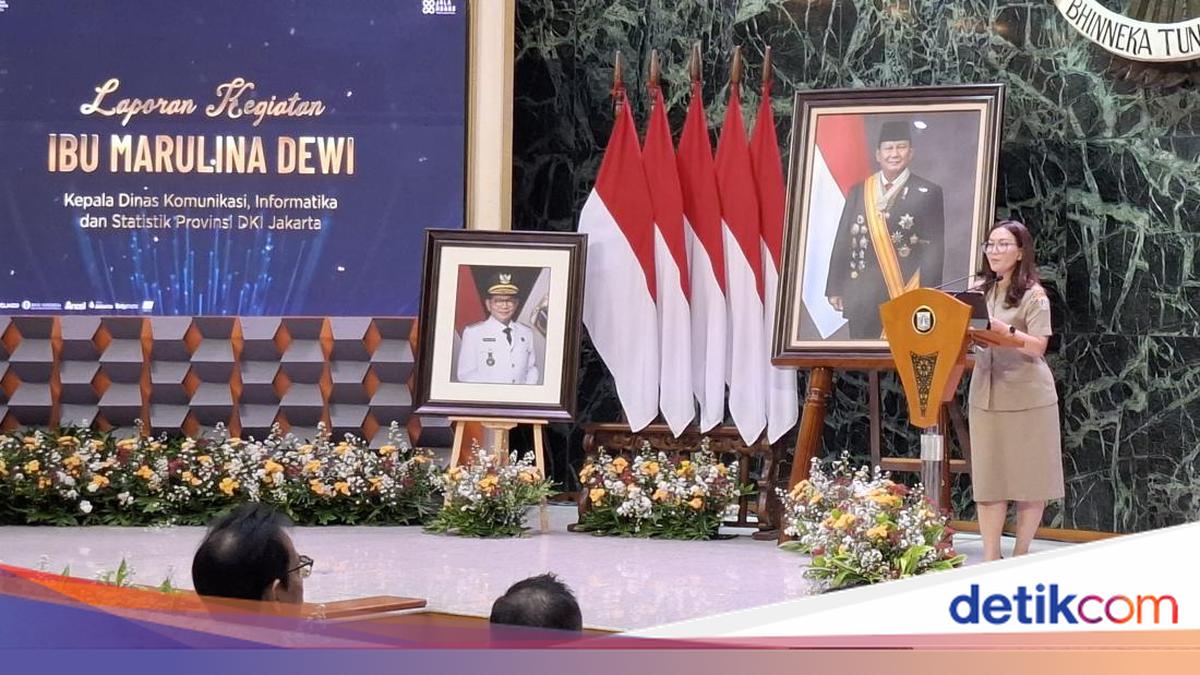
The Jakarta Provincial Government has identified several types of false information circulating widely in the capital. Scams, ranging from fake invitations to messages impersonating officials, are among the most common forms.
Marulina Dewi, head of Jakarta’s Communication, Informatics and Statistics Agency (Diskominfotik), said that scams currently account for most hoaxes. These include fake invitations, phishing and information falsely attributed to officials or other people.
“Based on the findings we have coordinated, the most common hoaxes at present are scams, such as fake invitations, phishing and other information claiming to come from officials or other people,” Marulina said at Jakarta City Hall on Monday (2 November 2026).
She said another widely encountered category concerns government programmes.
“The second [most common category] is news about government programmes, such as social assistance, health and disaster management,” she said.
Marulina said the provincial government had undertaken various public education initiatives to help people identify false information. These efforts target not only students but also groups considered vulnerable to hoaxes.
One initiative involves working with local officials, from sub-district heads to neighbourhood and community-unit leaders, as well as integrated health posts (posyandu). They help share information about government programmes and teach residents how to distinguish accurate information from false claims.
“Diskominfotik, and the Jakarta Provincial Government more broadly, has provided extensive education in collaboration with sub-district heads, neighbourhood and community-unit leaders, and even posyandu posts. They share information about various government programmes and teach residents how to determine whether news is true or false,” she said.
The provincial government has also launched the Jakarta Anti-Hoax Ambassador 2026 programme, involving 356 students from 110 senior high schools across the capital.
Two students, Winda and Ibrahim, were selected as the 2026 ambassadors. They will work with Diskominfotik to promote digital literacy over the coming year.
Marulina said she hoped the ambassadors would help the government deliver educational messages in a way that resonates more closely with young people.
“With the young people serving as Anti-Hoax Ambassadors over the next year, they will be our partners. Their communication style is not the usual government style; it is a youth style that we believe will be more readily accepted by the public at large,” she said.
Source: jawawa.id (https://jawawa.id/newsitem/jakarta-reveals-most-common-hoaxes-fake-invitations-and-social-assistance-scams-1793598682)
Originally published by detikcom (https://news.detik.com/berita/d-8734444/dki-ungkap-modus-hoax-terbanyak-undangan-palsu-hingga-penipuan-bansos), translated from Indonesian