
Jakarta Residents Advised to Avoid Outdoor Activities During Midday and Afternoon Amid "Godzilla" El Niño Phenomenon
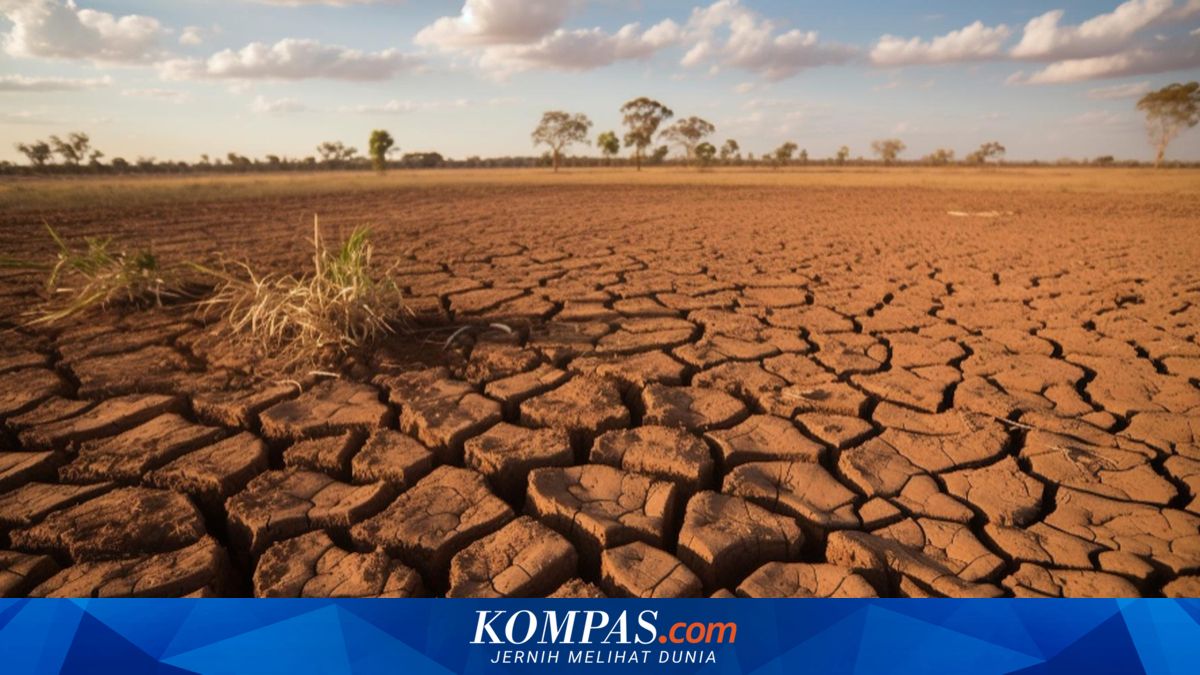
Jakarta residents and surrounding areas are advised to avoid outdoor activities from 11:00 to 15:00 WIB due to extreme hot weather. This advisory is a precautionary measure against the impacts of extreme hot weather from the “Godzilla” El Niño climate phenomenon, predicted to hit the Jabodetabek region from April to October 2026. Head of the DKI Jakarta Health Service, Ani Ruspitawati, reminded that being active under the blazing sun during that time carries a high risk of triggering health problems, as air temperatures are reaching their peak. “The extreme El Niño causes a significant rise in temperatures. Avoid outdoor activities when air temperatures are very high, especially between 11:00 and 15:00 WIB,” said Ani to Kompas.com via short message on Tuesday (14/4/2026). “Ensure to drink plenty of water to avoid dehydration. We also recommend residents to wear masks when engaging in outdoor activities to reduce exposure to air pollution,” she added. Skin protection is also highly recommended because low humidity can make the skin dry and prone to irritation from ultraviolet (UV) exposure. “Use protection such as hats or umbrellas when outdoors, and apply sunscreen with a high SPF,” she further advised. Ani explained that exposure to extreme heat during this El Niño should not be taken lightly as it can lead to a decrease in the immune system. The combination of hot weather and dry air is even said to be able to trigger complications in various diseases. “High temperatures not only increase the risk of heatstroke and dehydration but also worsen chronic diseases such as heart and lung conditions,” Ani clarified. Ani strongly emphasised that preventive steps must be a primary concern, especially for the most vulnerable population groups such as children and the elderly. For information, the “Godzilla” El Niño phenomenon is predicted to potentially occur in Indonesia during this year’s dry season, around April to October 2026. This term has been widely discussed because it is associated with the potential for extreme weather in the form of a longer dry season and reduced rainfall in various regions, including Indonesia.