
Jakarta Regional Council Exposes Parking Issues: High Costs, Weak Systems, and Leaking Revenues
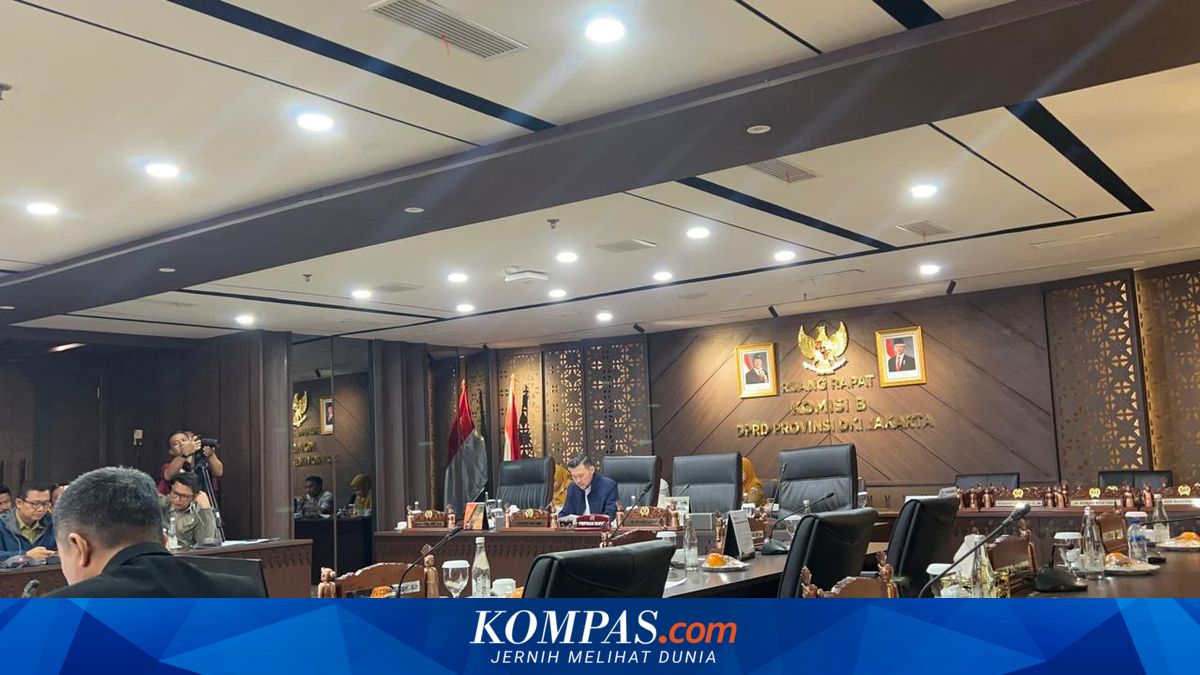
The Jakarta Regional Representative Council (DPRD) DKI Jakarta has exposed several issues in the management of parking in the capital. These problems include high operational costs, weak digitalisation systems, and leakages in regional revenues, which were highlighted during the Special Committee (Pansus) on Parking meeting at the DPRD DKI Jakarta Building in Central Jakarta on Tuesday (28/4/2026). The Chairman of the DPRD DKI Jakarta Parking Special Committee, Jupiter, revealed that several parking locations are actually incurring losses. One example is at a hotel in the Cikini area, Central Jakarta. “We can see here that Novotel receives Rp408 million per year, then the operational costs are Rp563 million per year, meaning a loss of Rp155 million per year for Novotel hotel,” Jupiter said during the meeting on Tuesday. Similar losses occurred at Hotel Mercure, which experienced a deficit of around Rp70 million per year. Meanwhile, the operational costs that must be incurred reach Rp299 million. According to Jupiter, this situation is unreasonable because the parking sector should be a source of profit for DKI Jakarta, not losses. “That subsidiary was formed which should be able to contribute to Sarana Jaya, that this subsidiary can support and provide extraordinary potential,” Jupiter said. The high parking operational costs are partly triggered by the need for labour. From the total costs at one parking location, around Rp47 million per month is used to pay parking attendants. “With two gates, is it reasonable for the operational costs to be that high? This must be explained,” he said. In response, the Director of Perumda Pembangunan Sarana Jaya, Bernard Yohanes, explained that the high operational costs are influenced by the still labour-intensive system and 24-hour parking operations. Limited parking space in some locations also requires managers to place attendants at various points to assist in vehicle regulation, thus increasing the need for labour. “So at Novotel, the hotel operates 24 hours, Mr. Chairman, so we are still labour intensive. We have several seats working there too, so the overhead is quite high, Mr. Chairman,” Bernard said.