
Jakarta Provincial Government Strengthens Referral Mechanism for Child Protection Cases
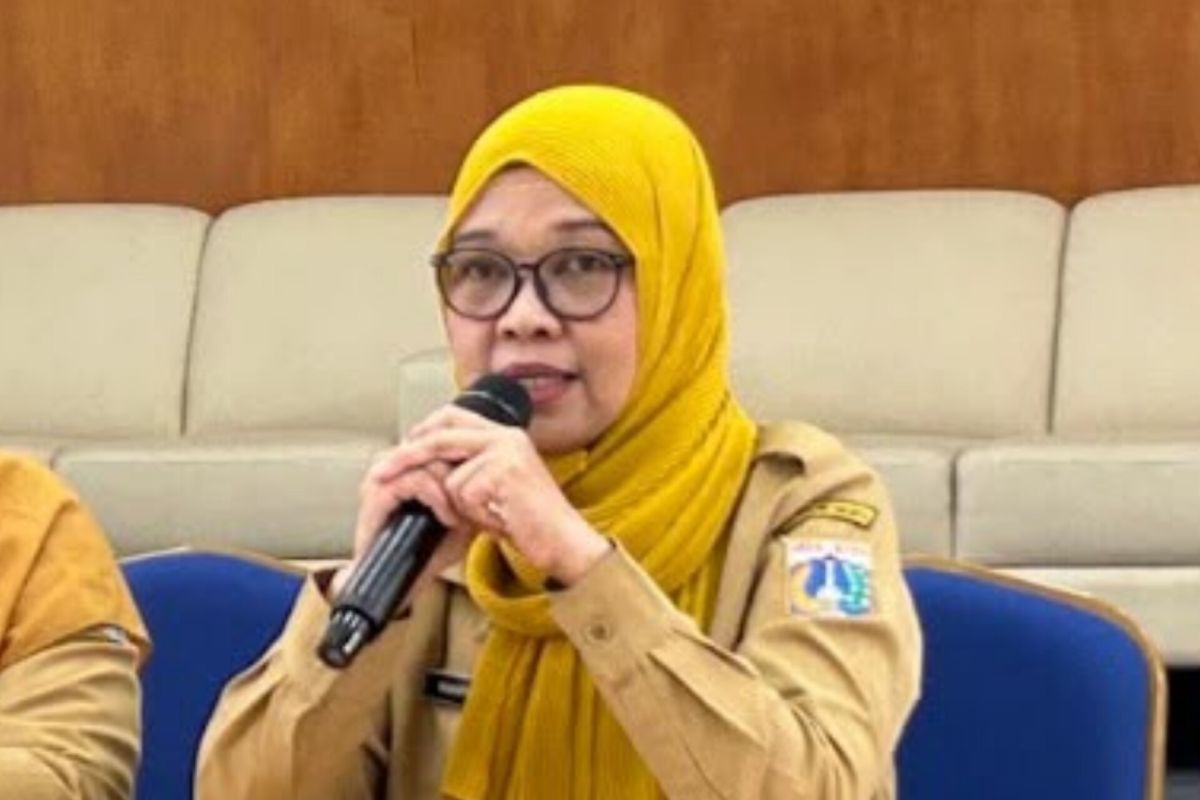
Jakarta (ANTARA) – The Jakarta Provincial Government’s Women’s Empowerment, Child Protection and Population Control Agency (Dinas PPAPP), through its Technical Implementation Unit for the Women and Children Protection Centre (UPT PPPA), is strengthening the referral mechanism for handling cases involving children who require special protection.
UPT PPPA head Rahayu Sri Rahmawati said the strengthened mechanism would clarify referral criteria, the division of responsibilities among agencies, and coordination procedures—from assessment and referral acceptance to service provision and follow-up monitoring.
“This means children will not have to face fragmented support because of poor coordination between institutions,” Rahayu said in an official statement on Tuesday.
She said UPT PPPA was enhancing cross-sector coordination to ensure every child receives care suited to their needs and best interests. The effort is expected to create a more focused, integrated and sustainable referral system.
Behind every case involving a child, Rahayu said, is a life and a future that must be protected. Decisions about care are not simply about where a child lives; they must ensure the child has the opportunity to grow, feel safe, receive affection and build a better future.
The Jakarta agency, through UPT PPPA, is committed to continuing to strengthen cross-sector cooperation to ensure every child receives protection and care that puts their best interests first, she added.
Rahayu stressed that care within the family should remain the primary consideration, provided the family is deemed capable of protecting the child and meeting their needs. However, if the family environment could put the child at risk, an appropriate alternative must be considered based on an assessment and applicable regulations.
Placing a child in a social welfare institution or care home, she said, is not merely a matter of providing temporary accommodation. The process must include planning, regular monitoring and evaluation, while also considering whether the child can return to family care once the situation is safe and supportive.
“We must not allow children simply to be moved from place to place without certainty about their care. We need to ensure that every step in the process genuinely addresses the child’s needs and guarantees continuity of care,” Rahayu said.