
Jakarta Provincial Government Strengthens JKN Enrolment Governance to Better Target Assistance
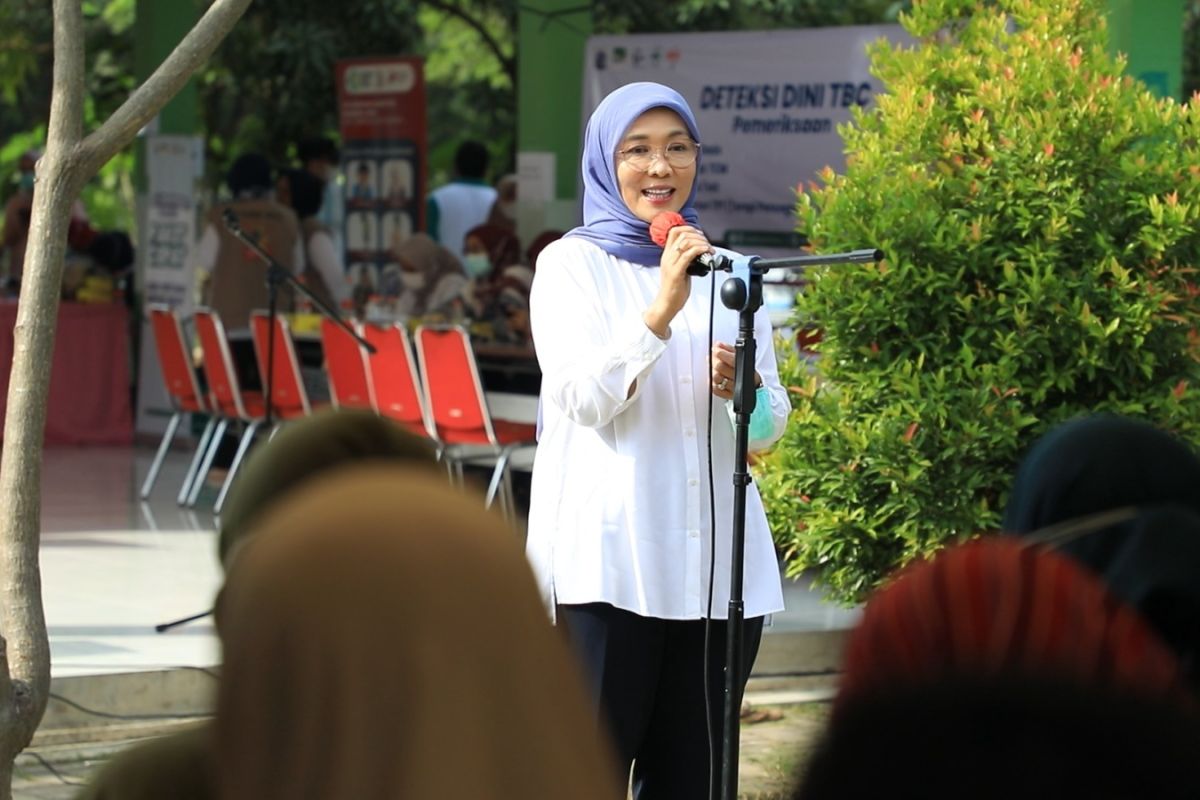
Jakarta (ANTARA) — The Jakarta Provincial Government is strengthening governance of enrolment in the National Health Insurance (JKN) scheme to ensure that contribution assistance funded through the Regional Revenue and Expenditure Budget (APBD) is better targeted and accountable.
The changes are being made under Jakarta Governor Regulation No. 26 of 2026, amending Governor Regulation No. 46 of 2021 on the administration of health insurance. The regulation was promulgated on 5 October 2026.
Jakarta Health Agency head Ani Ruspitawati said on Wednesday that one significant change was the revision of eligibility requirements for residents enrolled in JKN by the provincial government under the category of non-wage earners and non-workers registered by local government (PBPU BP Pemda).
Applicants must have a Jakarta national identity number (NIK), live in Jakarta as verified by a certificate from their local sub-district head, and be listed in the National Single Socio-Economic Data (DTSEN). Priority will be given to households in welfare deciles one to five.
Applicants must not already be enrolled in the Health Insurance Contribution Assistance scheme (PBI JK), or be employees or dependants of wage-earning workers (PPU).
The use of DTSEN is consistent with Presidential Instruction No. 4 of 2025, which requires central and regional governments to use the data as the primary source for planning, implementing and evaluating socio-economic policies.
Ani said integrated data was needed to ensure social protection programmes, including health insurance, reached people in line with their socio-economic circumstances.
Although people in deciles one to five are prioritised, not everyone in those groups is automatically enrolled in PBI JK.
She said enrolment in PBI JK, whose contributions are paid by the central government, also depends on quotas set by the Ministry of Social Affairs and the procedures for proposing and determining participants.
Funding through PBPU BP Pemda is therefore one complementary measure to ensure that poor and vulnerable residents continue to receive health protection.
The Jakarta Provincial Government may also set additional eligibility criteria for PBPU BP Pemda participants through a governor’s decree. This allows the regional government to adapt policy to residents’ needs and socio-economic conditions while complying with legislation.
The regulatory changes are backed by APBD funding. The Jakarta Provincial Government pays JKN contributions for PBPU BP Pemda participants in accordance with the applicable rules.
It also provides a subsidy of Rp7,000 per person per month for self-paying JKN participants in Class III. With the subsidy, participants pay Rp35,000 of the total monthly contribution of Rp42,000.
The provincial government also contributes around Rp2,000 to Rp2,200 per person per month towards PBI JK participants’ contributions, depending on the region’s fiscal capacity.
Ani said the funding support reflected the regional government’s role in sustaining JKN alongside the central government.
“Health protection is a fundamental need. Through sound policy and sustained budget support, we want to ensure that people in need continue to have access to health insurance,” she said.