
Jakarta Produces 9,000 Tonnes of Waste a Day; Council Committee Questions Disposal Routes
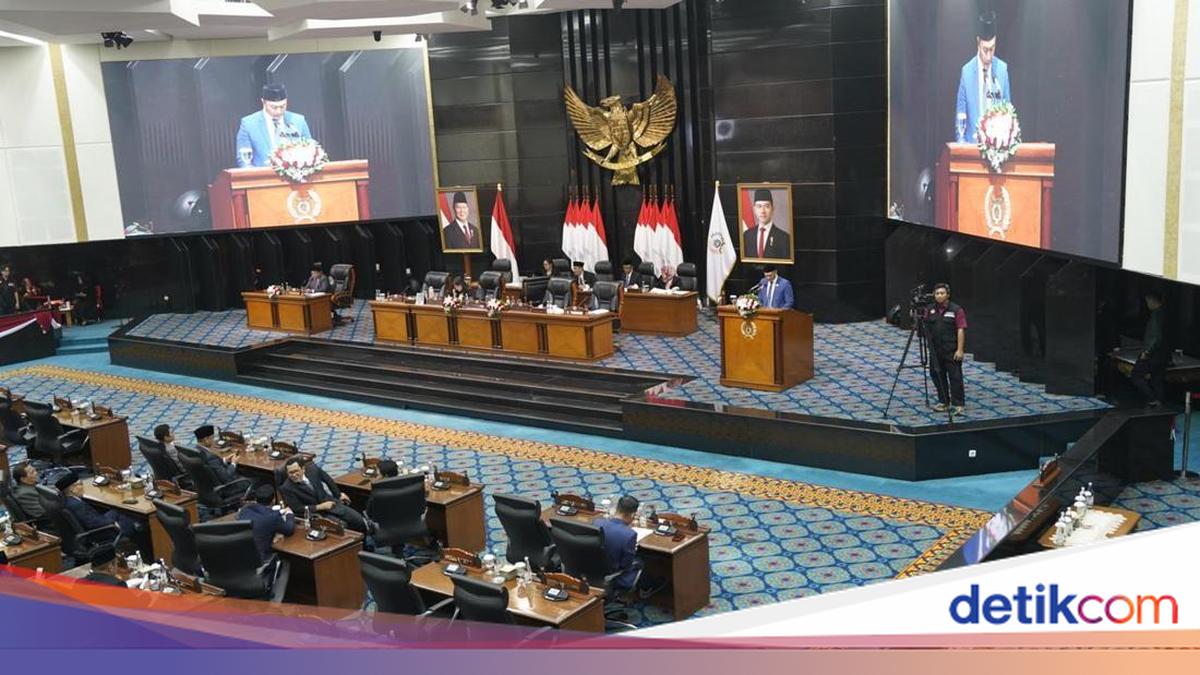
Jakarta’s Regional House of Representatives (DPRD) Special Committee on Waste Management has called on the Jakarta Provincial Government to clarify the routes used to dispose of and process waste, so residents know where the rubbish they throw away is taken and treated.
The committee’s final recommendations were read out by member Ali Muhammad Johan at a Jakarta DPRD plenary session on Tuesday (13 October 2026). The committee highlighted the need to map the management of Jakarta’s waste, which amounts to around 9,000 tonnes a day.
Judistira Hermawan, chair of the DPRD’s Special Committee on Waste Management, said waste management must be comprehensive, from sorting at source through to final processing.
“The committee is ensuring that all waste-processing technologies already built support clear allocations of routes and processing locations,” Judistira told reporters.
He said clear management routes should apply not only to household waste, but also to waste from shopping centres, offices, hotels, restaurants and cafés.
This would enable residents and property managers to know where the waste they produce is processed. The mapping should also cover the sources and types of waste, as well as the facilities used to process it.
“This will give the public certainty about where their waste is processed and allow Jakarta’s 9,000 tonnes of daily waste to be mapped by source, type and processing facility,” he said.
Judistira stressed that Jakarta’s waste problem cannot be solved simply by adding processing facilities. Efforts to sort and reduce waste at source must also be strengthened, alongside improvements to transport and monitoring, and the sustainable development of infrastructure.
The committee also called for policy and funding support for priority waste-management programmes to be included in deliberations on the 2027 Draft Regional Budget (RAPBD).
It further said the implementation of administrative sanctions should be aligned with the fulfilment of the Norms, Standards, Procedures and Criteria (NSPK), as well as the findings of monitoring by the Ministry of Environment/Environmental Control Agency (BPLH).
“The committee emphasises the need to crack down on illegal waste disposal sites and monitor waste managers in commercial areas, including private-sector operators, to protect the environment and the public,” he said.
Crackdowns on illegal waste disposal sites and oversight of waste managers in commercial areas are intended to ensure that waste is handled in accordance with regulations and to minimise harm to the environment and the public.
Source: jawawa.id (https://jawawa.id/newsitem/jakarta-produces-9-000-tonnes-of-waste-a-day-council-committee-questions-disposal-routes-1791903173)
Originally published by detikcom (https://news.detik.com/berita/d-8705636/sampah-jakarta-capai-9-000-ton-sehari-pansus-dprd-soroti-alur-pembuangannya), translated from Indonesian