
Jakarta Passes RPPLH Bylaw, Secures 30-Year Environmental Compass for Development
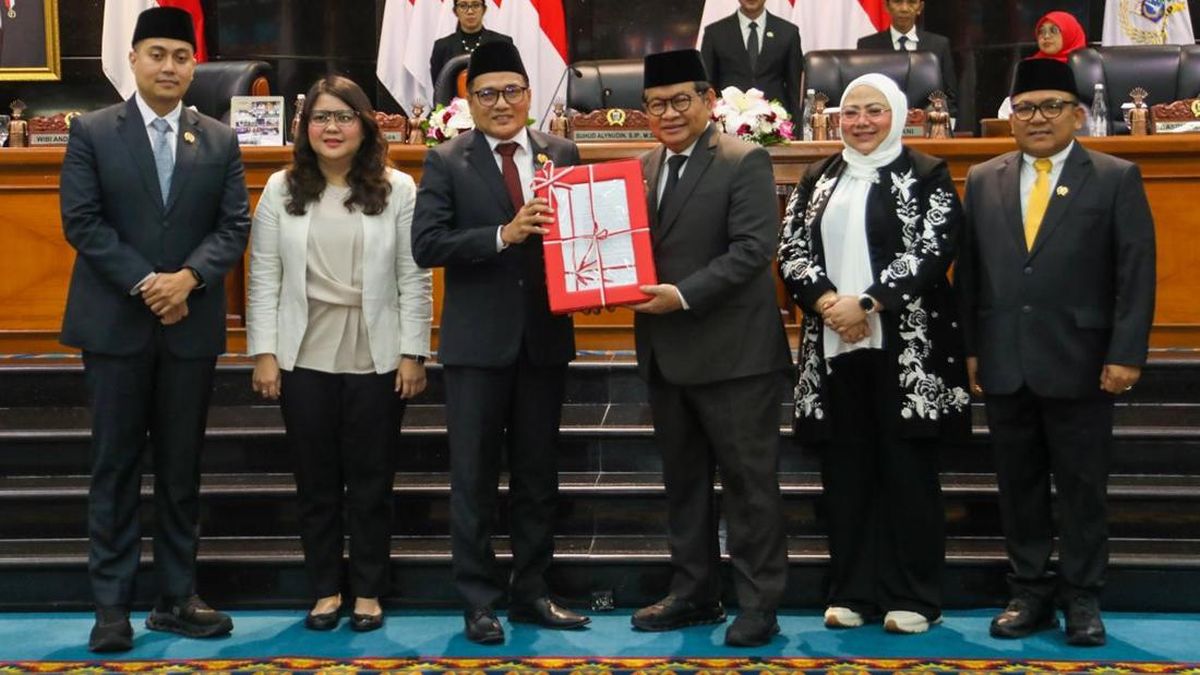
The Jakarta Provincial Government, together with the DPRD DKI Jakarta, has enacted a Regional Regulation on the Environmental Protection and Management Plan (RPPLH). This regulation serves as the foundation for Jakarta’s environmental policy for the next 30 years. The RPPLH will become a key reference in development planning, ensuring that the city’s economic growth continues to respect the carrying capacity and assimilative capacity of the environment.
Head of the DKI Jakarta Environmental Agency, Dudi Gardesi Asikin, stated that Jakarta faces increasingly complex environmental challenges as it develops into a global economic hub. These challenges include climate change, pollution, limited natural resources, and the ever-growing demand for urban space. “The RPPLH is not just an environmental document, but a foundation to ensure Jakarta remains progressive, liveable, and sustainable for future generations by maintaining a balance between economic growth, public welfare, and environmental conservation,” he said.
Dudi emphasised that the implementation of the RPPLH cannot rely solely on the government. Collaboration with the DPRD, businesses, academics, the community, and other stakeholders is essential to achieve environmental protection targets.
Meanwhile, Abdul Aziz, Chairman of the DPRD’s Regional Regulation Formation Body (Bapemperda), said the RPPLH provides a legal basis and policy direction for environmental protection and management in Jakarta for the next three decades. He noted that the regulation is crucial to ensure that development and spatial utilisation do not neglect environmental capacity. “The RPPLH must be an integral part of the development process. This means development continues and the economy keeps growing, but everything must consider environmental capacity so that the progress we enjoy today does not become a burden for future generations,” Aziz stated.
Following its enactment, the RPPLH will be integrated into regional development planning documents and various sectoral policies. Through this mechanism, environmental considerations are expected to be included from the earliest stages of development planning. The implementation of the RPPLH will also be monitored and evaluated periodically, using indicators such as environmental quality, waste management, emission control, biodiversity protection, and the extent of green open space. The Jakarta Provincial Government stated that this monitoring is necessary to ensure that sustainable development implementation can be measured and accounted for to the public.