
Jakarta on the Path to Becoming a Happy and Tolerant City
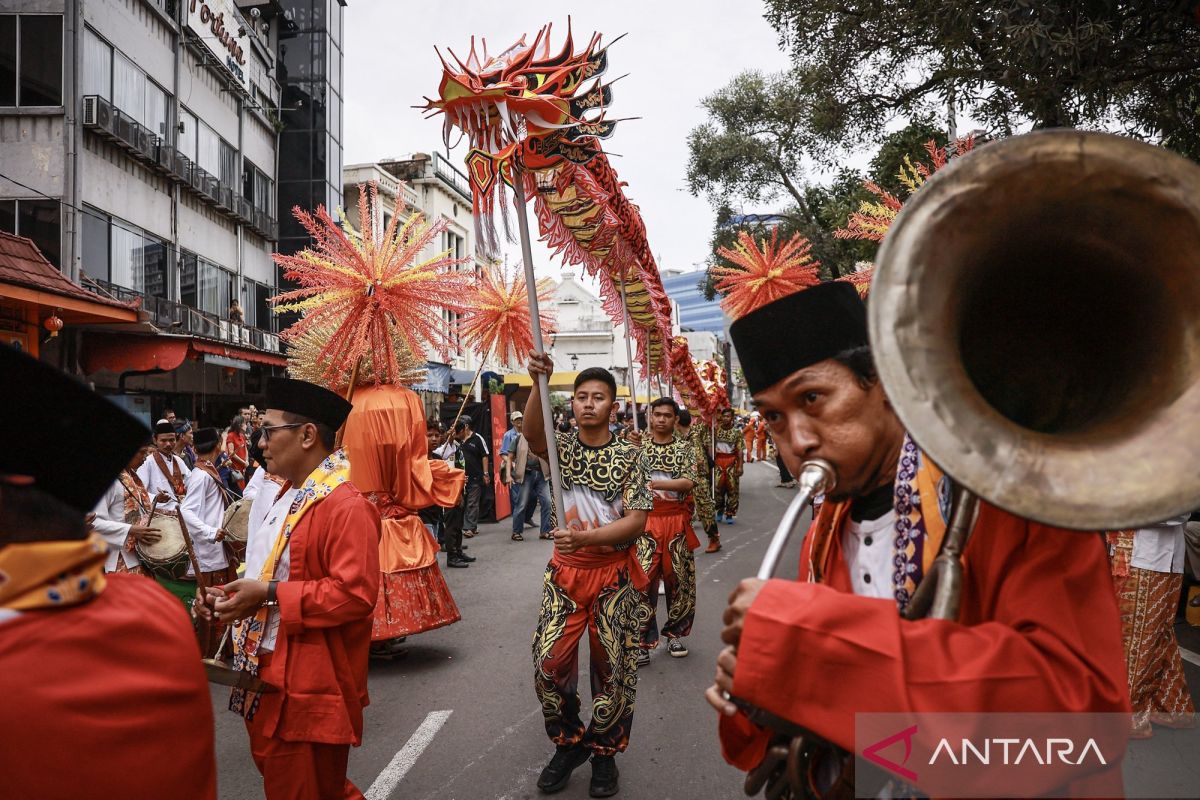
In a pluralistic society, recognition of group identities, including those of Chinese residents, forms the foundation for upholding citizens’ dignity. Jakarta (ANTARA) - Jakarta continues to develop into a metropolitan city that serves not only as the centre of the economy and government but also as a symbol of the meeting between modernity and local cultural richness. Jakarta is home to millions of people from diverse backgrounds, cultures, and values. Jakarta’s identity lies in the diversity that lives side by side and respects one another. Jakarta is not just a place of residence but also a living space that deserves to be maintained together. Tolerance and harmony are social capital for building a humane global city. Cities with high social capital tend to be more stable, safer, and more prosperous. Jakarta has extraordinary potential. With a population of more than 10 million people (during mornings and afternoons) and its role as the national economic centre, building a narrative of a humane city is a long-term socio-economic investment. Tolerance is not merely an aspiration but also a development strategy. Making Jakarta a humane global city means ensuring that no resident feels like a stranger in their own home. Inclusivity is not a political choice but an absolute prerequisite for a humane and just Jakarta. It is time for all parties to realise that in diversity, this nation is not seeking differences but celebrating the richness that becomes the main capital for national progress. Making Residents Happy Early last April, the City of Jakarta was designated as the safest city (second position) in ASEAN, outperforming Bangkok, Kuala Lumpur, and Hanoi in the safety index. The Global Residence Index 2026 ranking placed Jakarta just below Singapore, which has consistently been the best in Southeast Asia over time. Referring to the Antaranews report, DKI Jakarta Governor Pramono Anung Wibowo was completely surprised by this outstanding achievement. “I was also shocked; Jakarta, which used to be below Bangkok, Manila, and Kuala Lumpur, is now in second position after Singapore,” said Pramono, responding to the global index data. This positive achievement did not emerge from a vacuum. Pramono believes that the strength of the residents’ diversity plays the biggest role. A tolerant attitude has successfully woven harmony among faiths. Celebrations of Christmas, Cap Go Meh, Ramadan, Eid al-Fitr, to Nyepi always pass peacefully, without significant disturbances. This record of physical security encourages the local government apparatus to work harder to maintain public comfort in the future. Guarantees of physical safety have proven to create an instant domino effect. The sense of calm among inhabitants has nurtured the seeds of collective happiness. Jakarta’s status as the second safest city in ASEAN aligns with findings from the Time Out media network in 2025. Their large-scale poll successfully gathered opinions from more than 18,000 people worldwide. The results shattered many parties’ expectations. Jakarta successfully entered the exclusive list of the 20 happiest cities on a global level. Access to green open spaces, the pulse of arts and culture, and the variety of street food contributed the highest satisfaction points. This absolute harmony of happiness and security completely transforms the old face of the capital, which was long associated with the stain of congestion. Jakarta’s history shapes this city as a historical nexus. Jakarta grew as a cosmopolitan port, a place where residents from various corners, such as Arabs, Chinese, Indians, Europeans, and the Nusantara itself, meet.