
Jakarta Mulls EV Tax Incentive Review, BYD Warns of Impact on Electrification Momentum
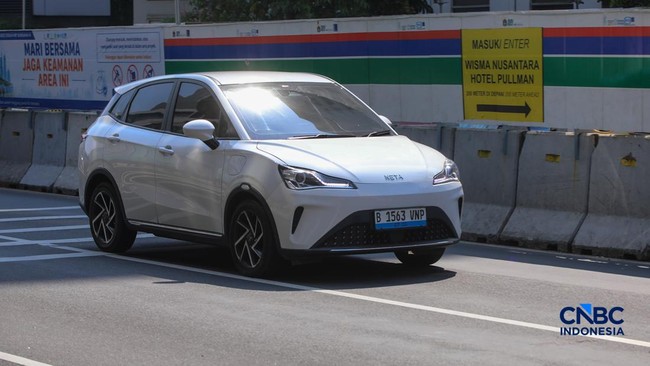
The Jakarta provincial government’s discourse on evaluating electric vehicle tax incentives has drawn the attention of the automotive industry. PT BYD Motor Indonesia believes fiscal policy plays a crucial role in sustaining the growth of electrified vehicles, which is currently on the rise in Indonesia.
The discussion emerged after the Jakarta Regional Revenue Agency (Bapenda) revealed potential tax revenue losses from the exemption of Motor Vehicle Tax (PKB) and Motor Vehicle Title Transfer Fee (BBNKB) for electric vehicles. Meanwhile, the electric vehicle population in Jakarta continues to grow and now dominates nationally.
Head of Marketing PR and Government Relations at PT BYD Motor Indonesia, Luther Panjaitan, stated that the proposal remains a discourse for now. He noted that both fiscal and non-fiscal policies have been key factors in accelerating electric vehicle adoption in Indonesia.
‘I have heard about it, but in context, I see it is still at the discourse stage. The electrification trend is already showing a positive direction, and we must remember that this growth is supported by both non-fiscal and fiscal policies, including tax incentives. It would be unfortunate if, amidst this good growth, a policy emerged that could potentially disrupt this momentum,’ Luther said.
According to BYD, electric vehicle incentives were never solely intended to boost vehicle sales but were also part of the government’s strategy to reduce fuel consumption and accelerate the transition towards more environmentally friendly transportation.
‘Electrification vehicle incentive policies are fundamentally aimed at reducing fuel subsidies. Therefore, we hope that policies which do not support the positive electrification trend will not be implemented in the near future. However, we will continue to follow how the government designs these policies, as there are certainly various considerations before establishing fiscal policy,’ he stated.
Amidst these discussions, BYD believes the impact to be considered is not just on the automotive industry but also on the government’s long-term targets for building an electric vehicle ecosystem in Indonesia.
‘What concerns us more is not just BYD’s sales, but the overall growth of the electric vehicle industry. It would be very unfortunate if this positive trend were disrupted. The impact must also be viewed comprehensively, from improvements in air quality and the environment to the reduction of fuel subsidies,’ Luther added.
Previously, Bapenda DKI Jakarta recorded that over 63 per cent of the national electric car population was located in Jakarta as of the first half of 2026. At the same time, the regional government calculated potential losses of PKB revenue reaching Rp515 billion and BBNKB of approximately Rp1.5 trillion, prompting the evaluation of electric vehicle incentive policies.
‘We hope that any policy decisions taken will comprehensively consider the long-term benefits of electrification, so that the transition towards more environmentally friendly vehicles can proceed as expected,’ Luther concluded.
Source: jawawa.id (https://jawawa.id/newsitem/jakarta-mulls-ev-tax-incentive-review-byd-warns-of-impact-on-electrification-momentum-1785394315)
Originally published by CNBC Indonesia (https://www.cnbcindonesia.com/news/20260730124619-4-755060/ada-wacana-dki-evaluasi-pajak-mobil-listrik-byd-ungkap-dampaknya-ini), translated from Indonesian