
Jakarta Legislator: End of Open Dumping a Momentum for Waste Governance
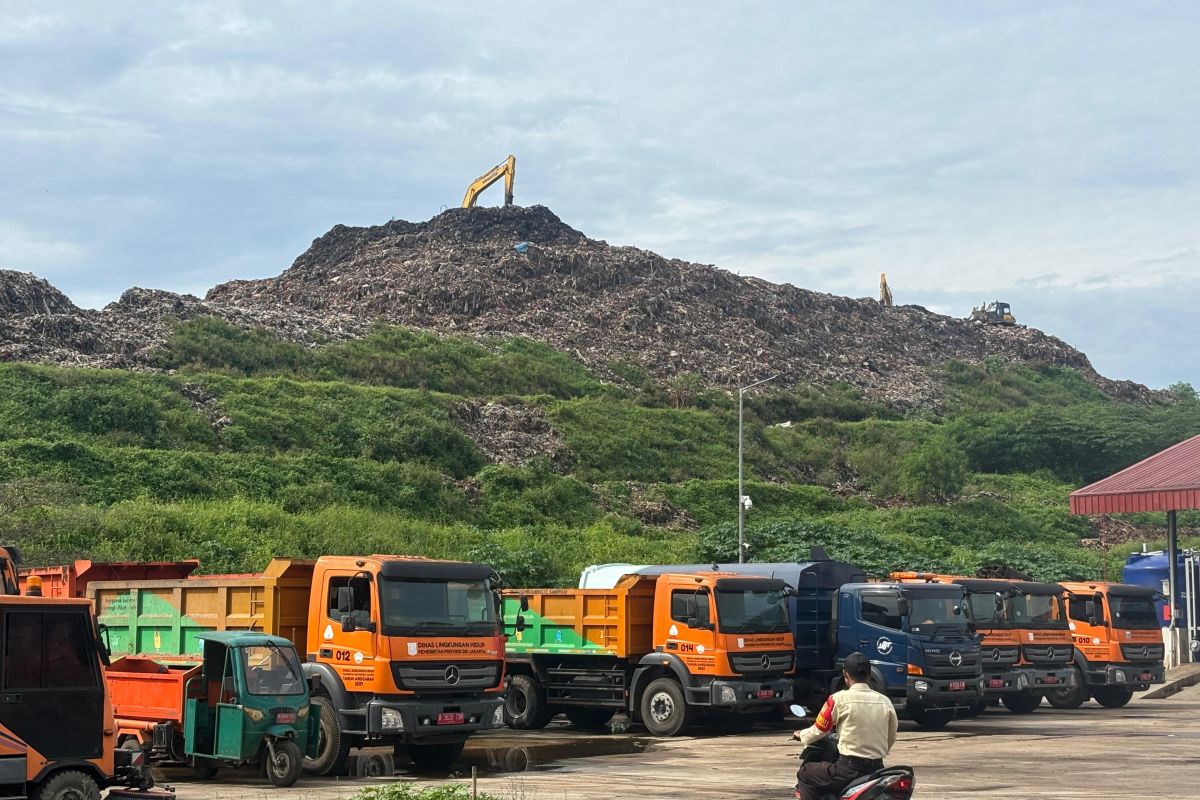
The practice of open dumping is set to end in August 2026, a development that should serve as a key momentum for the regional government to improve waste governance in the capital, according to Yuke Yurike, Chair of Commission D of the Jakarta Regional House of Representatives (DPRD). “It must be carried out comprehensively, from upstream to downstream,” Yuke stated in Jakarta on Thursday. She argued that waste is a major challenge facing Jakarta as the deadline to cease open dumping approaches. She noted that the capacity of the Bantargebang Integrated Waste Processing Site (TPST) is increasingly limited, making it urgent to strengthen waste management from the source. Yuke assessed that waste handling can no longer rely on old methods focused solely on transporting rubbish to final processing sites. Management must be carried out holistically, from upstream to downstream. “The waste problem has been a recurring challenge from one period to the next. Therefore, the solution cannot rely solely on the downstream side. The upstream and midstream must also be addressed through more massive and measurable movements,” she said. This approach is considered important to reduce waste volume while encouraging changes in public behaviour regarding sorting and managing waste at its source. Yuke added that existing processing facilities need to be optimised, including the Bantargebang RDF plant, the Rorotan RDF plant, and the TPS3R facilities. “The Rorotan RDF plant, which is designed to process up to 2,500 tonnes of waste per day, for example, is still operating below its ideal capacity,” she remarked. She identified the biggest current challenge as the limited timeframe to meet the target for ending open dumping. Going forward, waste entering final processing sites must first be treated so that only residue remains. “This situation has resulted in reduced waste transport trips to Bantargebang, causing collection processes in several areas to become slower,” Yuke said. However, she noted the programme’s success heavily depends on community readiness and a management system capable of accommodating the results of waste sorting. In addition to strengthening processing facilities, Commission D of the Jakarta DPRD is also pushing for the development of a circular economy through compost processing and maggot cultivation. To support this, Jakarta’s Environmental Agency has been asked to map out waste banks, waste processing communities, and potential markets for the resulting products. Furthermore, Yuke emphasised the importance of private sector involvement and the use of technology and digitalisation for waste management data down to the community unit (RW) level, so that fleet and facility requirements can be calculated more accurately. “Jakarta has many young innovators in the waste processing field. This potential must be given space because it can be part of the solution,” Yuke concluded.