
Jakarta Intensifies Mosquito Nest Eradication Amid Dengue Threat During Dry Season
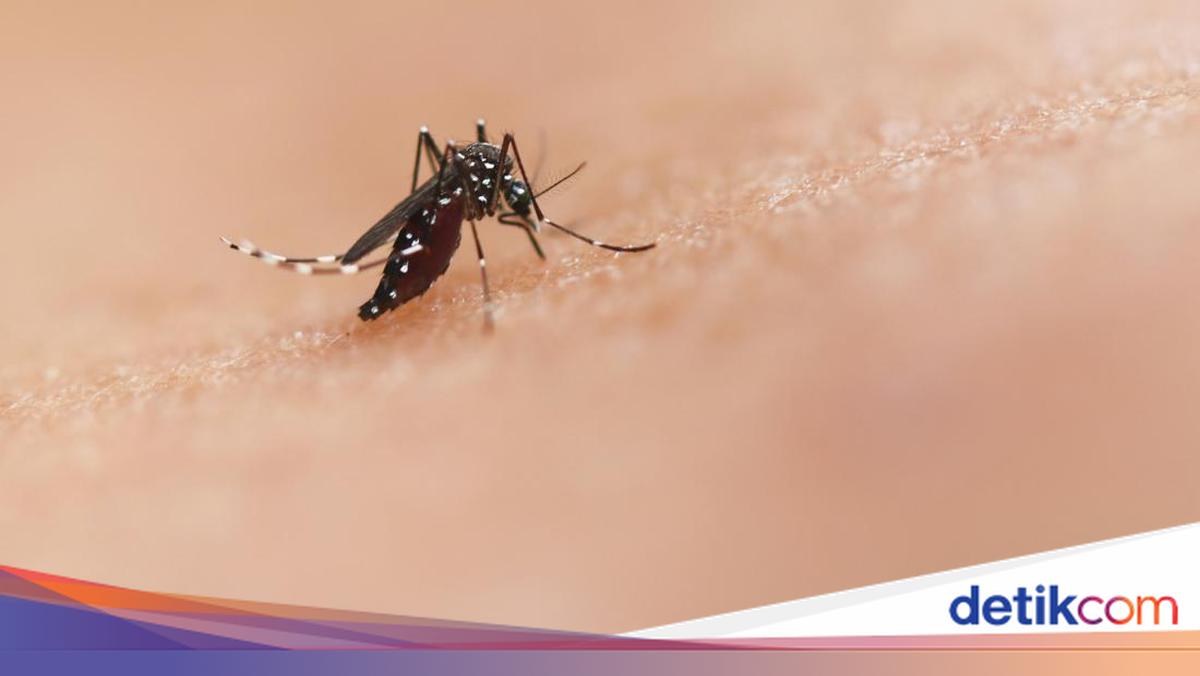
The Jakarta provincial government is increasing its vigilance against the spread of mosquitoes that cause dengue haemorrhagic fever (DBD) amid the current dry season. The provincial government is undertaking a number of efforts to eradicate mosquitoes.
“The Jakarta provincial government, through the Health Office, continues to carry out sustainable mosquito control,” said Special Staff to the Governor of Jakarta, Chico Hakim, to reporters on Friday (21/8/2026).
One of the efforts being made, he said, is intensifying the Mosquito Nest Eradication programme (PSN). He said the programme includes draining, covering, and recycling or burying items that could potentially become mosquito breeding grounds.
“Intensifying the 3M Plus Mosquito Nest Eradication (PSN) programme (Draining, Covering, Recycling or Burying plus larviciding and other supporting measures) together with Jumantik cadres at the RT/RW level,” he said.
The Jakarta provincial government is also running the Kampung Bebas Jentik (Larvae-Free Village) programme. Chico said the programme aims to encourage community involvement in eradicating mosquito breeding sites.
“The Kampung Bebas Jentik programme is to encourage active community participation,” he said.
The Jakarta provincial government is also implementing the innovation of releasing Wolbachia-infected mosquitoes. According to him, the programme has shown a significant reduction in cases and is planned to be expanded.
“The innovation of releasing Wolbachia-infected mosquitoes, which has been running in Kembangan District (and surrounding areas) and has shown a significant reduction in cases, with plans for expansion,” he explained.
“Integrated surveillance with hospitals and a climate-based prediction system together with BMKG, as well as focused fogging when cases or hotspots are found (not as a primary measure),” he continued.
Chico emphasised that the role of the community is an important part of mosquito control. He invited residents to become larva monitors (Jumantik) in their own homes.
“The most important and most effective thing is the active role of residents. We continue to encourage the public to become Jumantik in their own homes, check and clean water storage containers at least once a week, cover them tightly, ensure there are no puddles in the surrounding environment (including empty houses), and immediately report any symptoms of high fever to the nearest health facility,” he said.
Previously, many residents felt that mosquitoes had become more numerous recently. They complained about mosquito attacks that also disrupted their rest time during night sleep. Is this phenomenon related to the dry season conditions currently occurring in Indonesia?
The complaints were widely shared on social media. The residents, the majority of whom live in the Greater Jakarta area, said that mosquitoes in their homes seemed to be increasing in number recently.
When asked for confirmation separately, entomology researcher at the National Research and Innovation Agency (BRIN), Awit Suwito, revealed that there are a number of factors that can be explained regarding this phenomenon. The first factor is related to environmental temperature when entering the dry season.
“Why does the mosquito population during the dry season (more precisely at the end of the dry season and the beginning of the rainy season) seem to increase? This is related to several factors. The first factor is that the increasing environmental temperature shortens the mosquito life cycle,” said Awit when contacted on Thursday (20/8/2026).
Awit said that during the dry season, the availability of standing water outside the home environment becomes less. Standing water is known to be a mosquito breeding site.
Source: jawawa.id (https://jawawa.id/newsitem/jakarta-intensifies-mosquito-nest-eradication-amid-dengue-threat-during-dry-season-1787266244)
Originally published by detikcom (https://news.detik.com/berita/d-8627918/waspadai-dbd-di-tengah-kemarau-dki-intensifkan-pemberantasan-sarang-nyamuk), translated from Indonesian