
Jakarta Information Commission Shares E-Monitoring Strategies with North Sumatra Counterpart
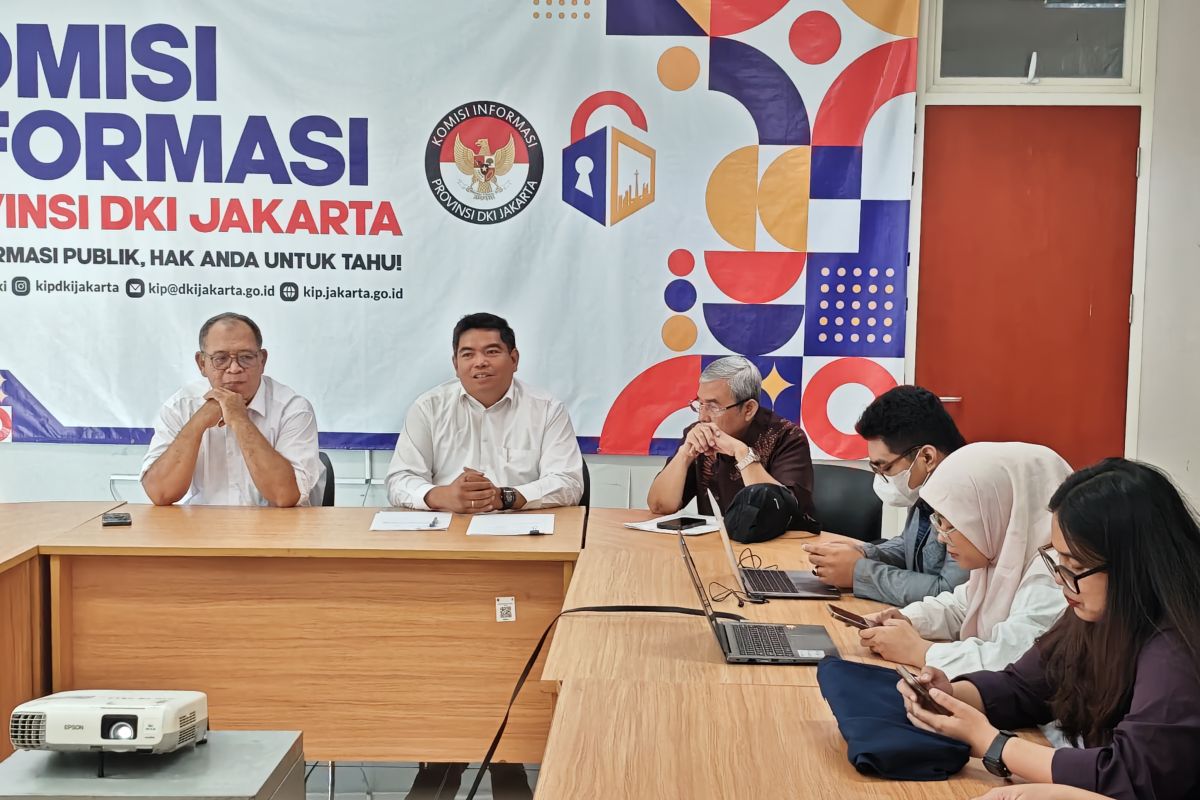
The DKI Jakarta Information Commission (KI DKI) discussed strategies for strengthening public information disclosure, particularly regarding the implementation of Electronic Monitoring and Evaluation (E-Monev), with the North Sumatra Information Commission on Wednesday. KI DKI Chairman Harry Ara Hutabarat stated that the meeting served as a forum for sharing experiences and best practices in implementing public information transparency. He noted that each province has unique experiences and innovations that can serve as collective lessons in safeguarding public information disclosure. “KI DKI also learns a lot from KI North Sumatra. Through forums like this, we can strengthen each other, including in the implementation of E-Monev, coaching public bodies, and developing the Zona Informatif (Informative Zone) programme,” Harry said. He explained that KI DKI continues to develop the implementation of E-Monev with a more proportional approach, tailored to the characteristics of public bodies. The E-Monev assessment is not solely oriented towards administrative compliance but also considers the principle of fairness to produce more objective evaluations. “With budget limitations, Information Commissions must be able to drive information disclosure through creativity and collaboration. We want information disclosure to truly have an impact on society,” Harry stated. Meanwhile, Ferid Nugroho, Head of Education, Socialisation and Advocacy at KI DKI, outlined various programmes undertaken to improve the quality of public information disclosure through collaboration, including socialisation at universities in partnership with PLN UID Jakarta Raya. He also mentioned that KI DKI actively provides guidance to public bodies through training, visits, and mentoring to help them achieve the ‘Informative’ predicate. To date, there are 829 public bodies participating in E-Monev, with 189 having achieved the ‘Informative’ predicate, a significant increase from the previous figure of only 67. However, Ferid noted that only about 80 percent of ‘Informative’ public bodies have installed the Zona Informatif. “We will continue to push for this as it is part of the commitment to information disclosure,” Ferid said. He added that the working visit provided a reference for improving the implementation of E-Monev in North Sumatra. Abdul, a representative from the North Sumatra commission, said they wanted to learn from KI DKI, particularly regarding the development of a more proportional Self Assessment Questionnaire (SAQ) instrument suited to the characteristics of public bodies. He noted ongoing challenges, especially with public bodies such as regional banking enterprises (BUMD) and hospitals, which possess different information characteristics, including exempt information. “We hope the results of this visit can serve as evaluation material while strengthening the implementation of public information disclosure in North Sumatra,” Abdul concluded.