
Jakarta Inflation Eases Amid Global Uncertainty and Eid al-Adha Period
Jakarta recorded a relatively low inflation rate of 0.12% (month-on-month) in May 2026, easing from 0.21% in the previous month and remaining lower than the national inflation rate of 0.28%.
Inflationary pressures this month primarily originated from non-subsidised energy prices, specifically non-subsidised fuel and household fuel (particularly LPG), which rose alongside surging global energy prices. Conversely, a correction in jewellery gold prices, following the global trend of weakening gold prices, helped offset inflation increases in May 2<0xA0>2026.
“On an annual basis, Jakarta’s inflation in May 2026 was recorded at 2.49% (year-on-year), the lowest among all provinces in Java and lower than the national rate of 3.08% (year-on-year),” stated the Head of the Bank Indonesia Representative Office for Jakarta, Iwan Setiawan, in a written statement on Wednesday.
This development, Iwan continued, reflects that inflation remains controlled despite the rise in administered prices affected by increasing global oil and energy prices. Ongoing geopolitical tensions between Iran and the United States, as well as Israel, led to increased energy prices, which subsequently triggered price adjustments for non-subsidised fuel at the beginning of May 2026.
Pressure was also intensified by air transport tariffs due to rising avtur (aviation fuel) costs and a surge in demand during the National Religious Holidays (HBKN) of Eid al-Adha and Waisak. These dynamics drove the transportation group to be a major contributor to inflation at a rate of 0.55% (month-on-month), although this was lower than the previous month’s 1.46%.
Furthermore, the impact of surging global crude oil and gas prices drove price adjustments for non-subsidised household fuels. These adjustments, implemented since 18 April 2026, represent the first price adjustment since November 2023. This condition drove higher inflation in the Housing, Water, Electricity, and Household group, at 0.09% (month-on-month).
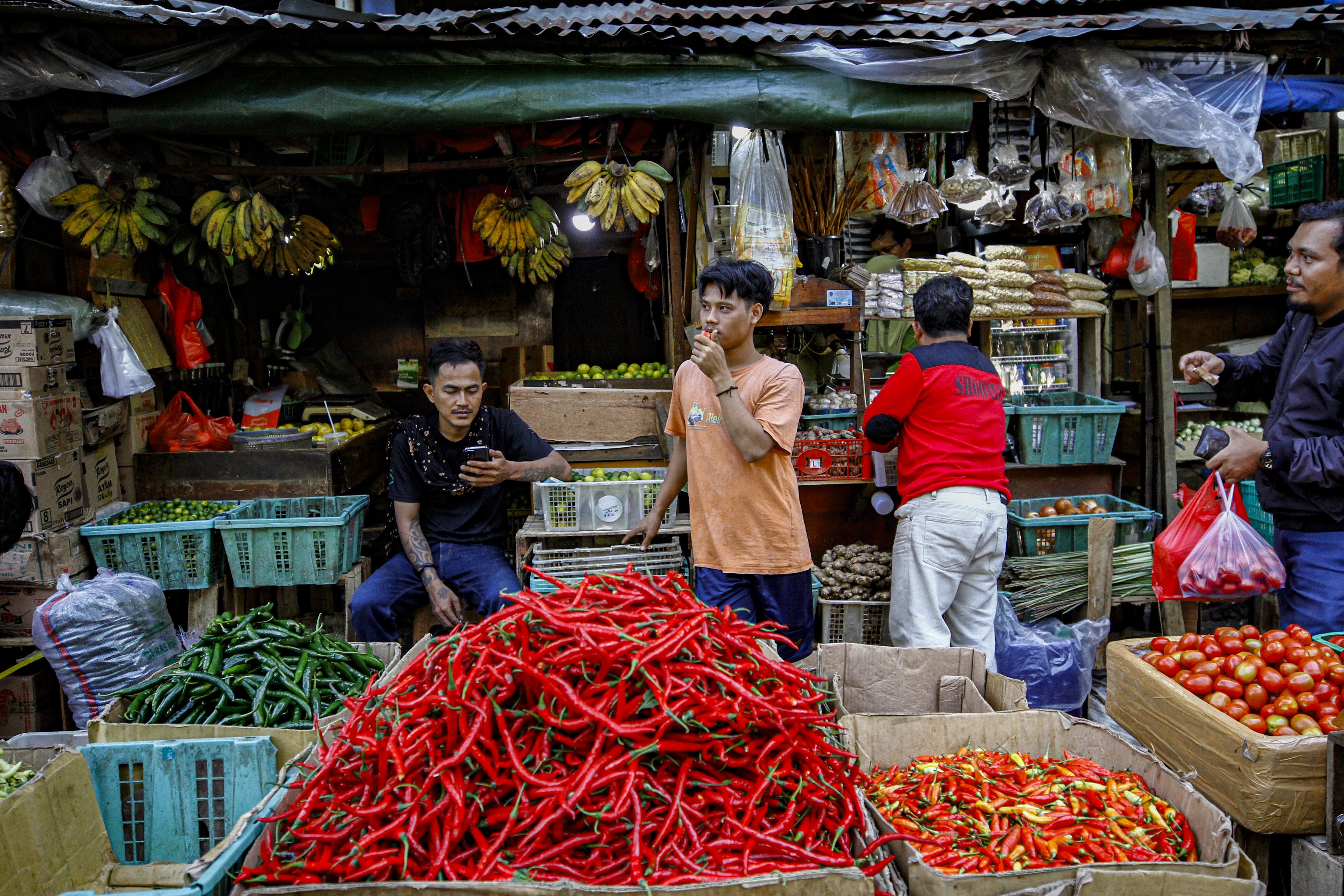
The Food, Beverage, and Tobacco group also contributed to Jakarta’s inflationary pressure in May 20lar 2026. Price pressures mainly stemmed from a surge in red chilli and shallot prices due to limited supply from production centres amidst high demand during the Eid al-Adha period. Pressure on this group was also reinforced by rising cooking oil prices due to the surge in global CPO prices and plastic packaging costs.
However, further price increases in this group were restrained by deflation in broiler chicken and eggs, supported by surplus supply, as well as a decrease in the prices of other commodities, such as fresh prawns and tomatoes. With these dynamics, this group recorded lower inflation of 0.25% (month-on-month) after the previous month’s deflation of 0.36%.
Furthermore, inflationary pressure was mitigated by the decline in jewellery gold prices. This aligns with the global trend of weakening gold prices occurring since March 2026, which drove deflation in the Personal Care and Other Services group at a rate of 1.10% (month-on-month), a deeper decline than the previous month’s deflation of 0.66%.
To maintain price stability, the Jakarta TPID (Regional Inflation Control Team) continued to strengthen various control measures during May 2026. Efforts included conducting low-cost markets and distributing subsidised food programmes, providing rice and cooking oil food assistance, strengthening supply through urban farming for paddy, maize, and vegetables, accelerating the realisation of beef imports, and optimising mobile trucks from Regional Owned Enterprises (BUMD).
Additionally, the TPID strengthened coordination to face the 2026 dry season, including discussions involving regional agencies, food-related BUMDs, and traders in wholesale markets. In preparation for Eid al-Adha, the Jakarta Provincial Government also increased readiness by enhancing the competence of animal and meat inspectors and Halal Slaughterers (Juleha). These efforts included ‘ASUH’ (Safe, Healthy, Intact, and Halal) sacrifice education, animal health monitoring, and socialisation of slaughter and meat handling procedures.
Moving forward, the ‘4K’ strategy (Availability of Supply, Affordability, Smoothness of Distribution, and Effective Communication) will continue to be strengthened to mitigate global risks, particularly the impact of geopolitical conflicts on energy prices and exchange rates, as well as domestic risks, including the potential El Niño phenomenon which could affect planting patterns and food crop production. With increasingly solid synergy from the Jakarta TPID, Jakarta’s inflation is expected to remain controlled within the target range of 2.5±1% throughout 2026.