
Jakarta Inflation at 0.15 Per Cent in August 2026, Lowest in Java
Inflation in the Province of DKI Jakarta in August 2026 was recorded at 0.15% (month-to-month/mtm), remaining controlled and becoming the lowest in Java. On an annual basis, Jakarta’s inflation reached 2.71% (year-on-year/yoy), sitting below the national average inflation of 3.19% (yoy).
This development marks a reversal from the previous month, which experienced deflation of 0.15% (mtm). Price increases were primarily driven by the Food, Beverage, and Tobacco group (0.81% mtm), the Health group (0.28% mtm), and the Education group (0.22% mtm) following the start of the new academic year.
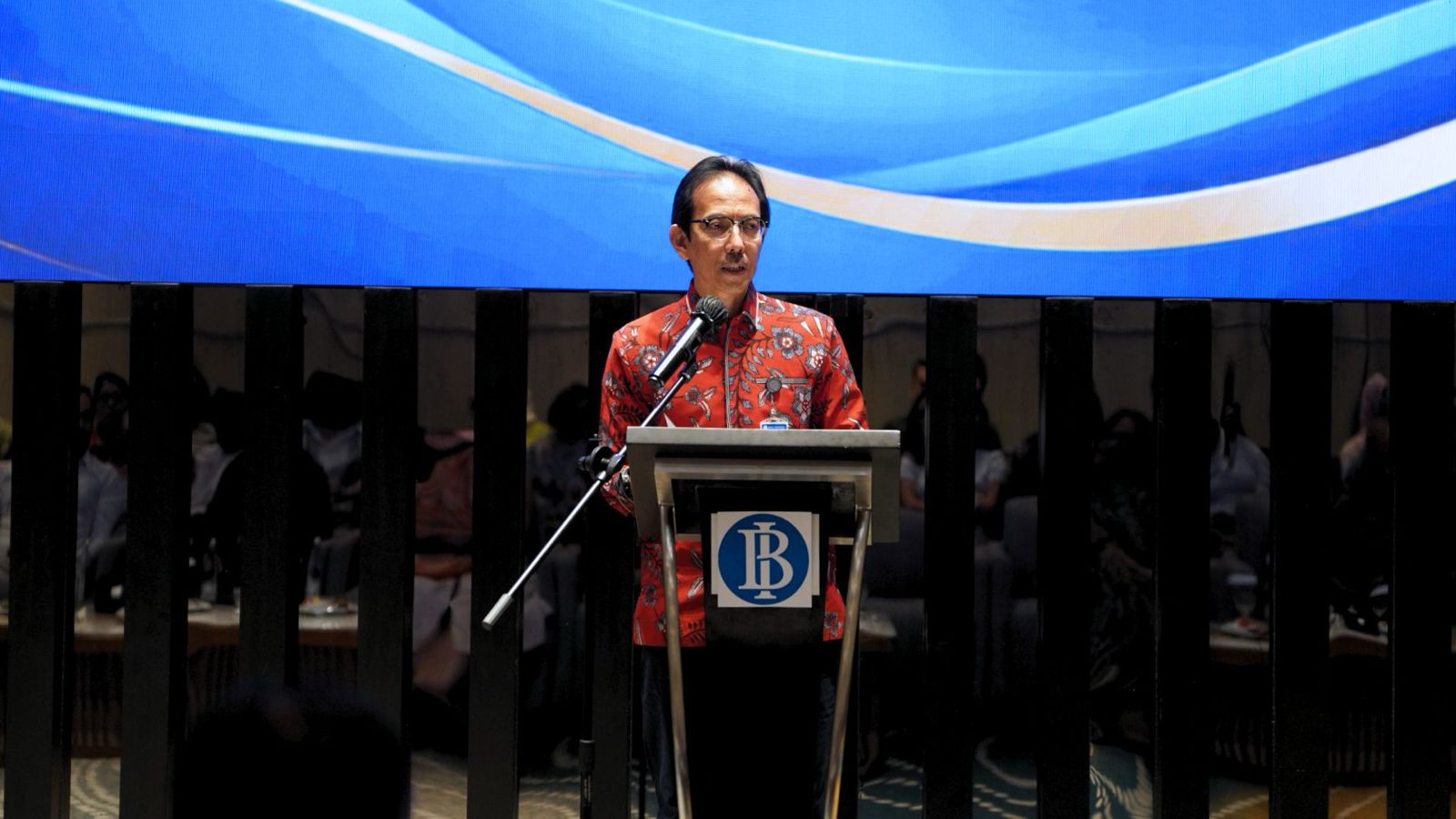
The Head of the Bank Indonesia Representative for DKI Jakarta, Iwan Setiawan, explained that the August inflation dynamics were driven by a combination of the new school term season and price surges in several food commodities.
“DKI Jakarta’s inflation in August was mainly driven by price increases in the Food, Beverage, and Tobacco group, the Health group, and the Education group due to the new academic year. However, deeper inflationary pressures were successfully contained by a decrease in prices within the Transport group,” said Iwan Setting.
The main contributors to food inflation originated from price increases in broiler chicken, long beans, and green beans, which recorded the highest monthly surge in the last three years. The rise in chicken prices was influenced by high costs of animal feed and day-old chicks (DOC), alongside increased demand following the school holidays and the Indonesian Independence Day celebrations.
Nevertheless, inflationary pressure was mitigated by deflation in the Transport sector of 0.45% (mtm). A decrease in air transport fares due to lower fuel surcharges and avtur prices, as well as price adjustments for non-subsidised fuel such as Pertamax and Pertamax Turbo, helped ease the capital’s inflation rate.
Facing potential future risks, the DKI Jakarta Regional Inflation Control Team (TPID) is intensifying its ‘4K’ strategy (Affordability, Availability, Distribution Smoothness, and Effective Communication), ranging from Subsidised Food Programmes to the optimisation of food distribution by Regional Owned Enterprises (BUMD).
“Moving forward, we, along with the DKI Jakarta TPID, will continue to strengthen the implementation of the 4K strategy to mitigate inflation risks, arising from both global geopolitical uncertainties and the challenges of the peak dry season in production centres. This synergy is crucial to ensure Jakarta’s inflation remains within the target range of 2.5±1% until the end of 2026,” said Iwan.