
Jakarta Human Rights Ministry Office Engages 23 Agencies to Support 2027 UN UPR Report
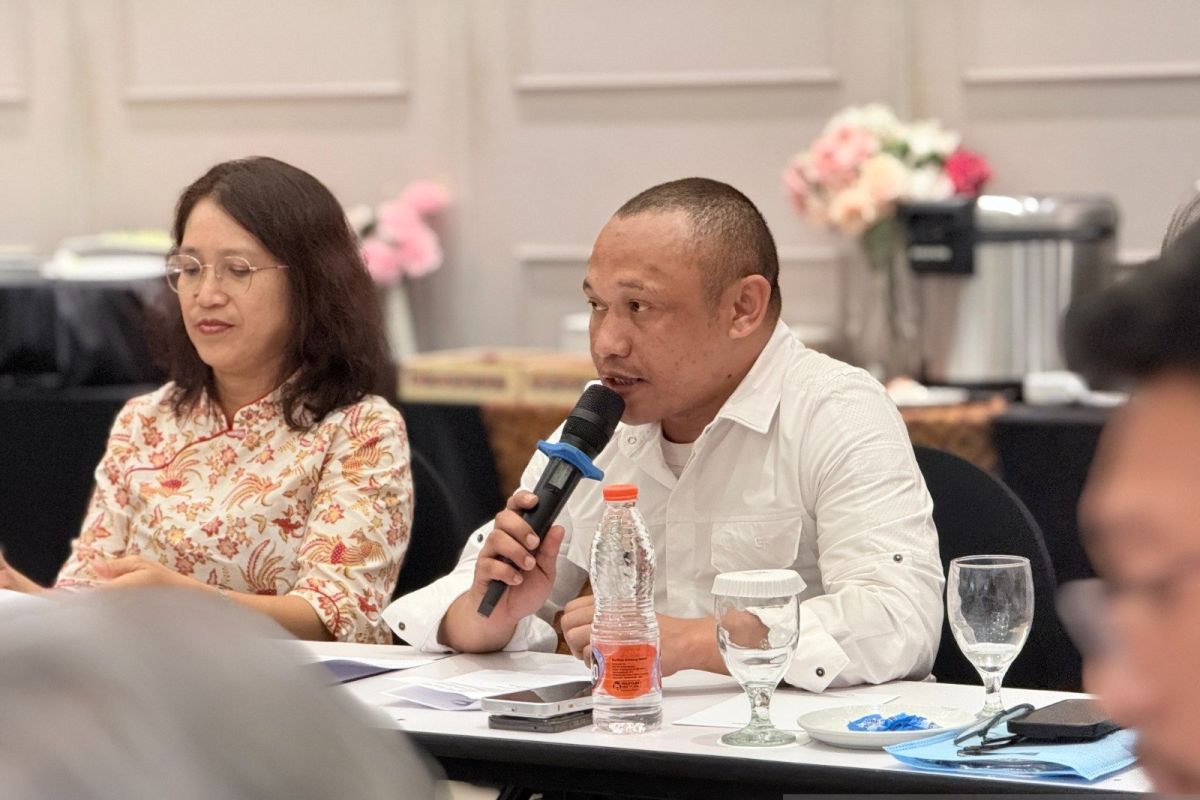
The Jakarta Regional Office of the Ministry of Human Rights (KemenHAM) has involved 23 cross-sectoral agencies in monitoring and evaluating the implementation of international human rights instruments to support the drafting of Indonesia’s report for the Universal Periodic Review (UPR) mechanism of the United Nations Human Rights Council in 2027. The event, titled ‘Report on Monitoring and Evaluation of the Implementation of International Human Rights Instruments in the Region’, was held in Jakarta on Wednesday (3/6) and attended by representatives from the DKI Jakarta Provincial Government, Metro Jaya Regional Police, and several related ministries and institutions. Head of the Jakarta KemenHAM Regional Office, Mikael Azedo Harwito, stated that the evaluation results and data collected from regional governments will be an essential part of drafting Indonesia’s National Report to be presented at the UN Human Rights Council UPR session on 31 March 2027. ‘The commitment to ratify international human rights instruments is not solely the responsibility of the central government but requires the active involvement of regional governments. The results of this activity will be Indonesia’s tangible contribution to fulfilling international obligations, including the UN UPR mechanism,’ said Mikael. Meanwhile, the Head of the Instruments and Human Rights Strengthening Division of the Jakarta KemenHAM Regional Office, Ratna Dumasari, explained that the activity aims to identify achievements, map implementation gaps, and collect valid supporting data related to the implementation of human rights at the regional level. According to her, the monitoring is conducted as part of efforts to oversee the implementation of international human rights instruments reflected in daily public services. ‘The drafting of this report uses an evidence-based and impact-oriented approach. Every reported policy and programme must be supported by valid data and demonstrate a tangible impact on the community,’ said Vini. She explained that several issues of concern in the UPR mechanism include equality and non-discrimination; protection of vulnerable groups such as women, children, the elderly, and persons with disabilities; the right to health and education; as well as environmental issues, business and human rights, personal data protection, and the eradication of human trafficking. On the same occasion, Professor of Law and Social Welfare at the Faculty of Law, University of Indonesia, Prof. Heru Susetyo, highlighted Indonesia’s position as the current President of the UN Human Rights Council. He explained that the UPR mechanism is a mutual review process between countries conducted every four to five years to evaluate the implementation of human rights in each state. According to Heru, the national report submitted must be concise yet still able to describe the progress and challenges faced, considering issues such as freedom of expression, regional law enforcement, and intellectual property rights often attract the international community’s attention. The activity concluded with a Focus Group Discussion attended by all agency representatives. In that session, each participant filled out the UPR instrument according to their field of duty as material to strengthen Indonesia’s human rights report at the international level while supporting human rights promotion policies in Jakarta.