
Jakarta Health Office Explains Timeline of Baby’s Death at Tanjung Priok Regional Hospital
Jakarta’s Health Office has explained the timeline of a baby’s death after the newborn was treated at Tanjung Priok Regional Hospital in North Jakarta. The baby developed breathing difficulties after birth.
Jakarta Health Office head Ani Ruspitawati said the baby’s mother, identified by the initial L, first attended the hospital’s PONEK emergency unit on 11 November 2026. She had previously received pregnancy check-ups at Tanjung Priok Community Health Centre.
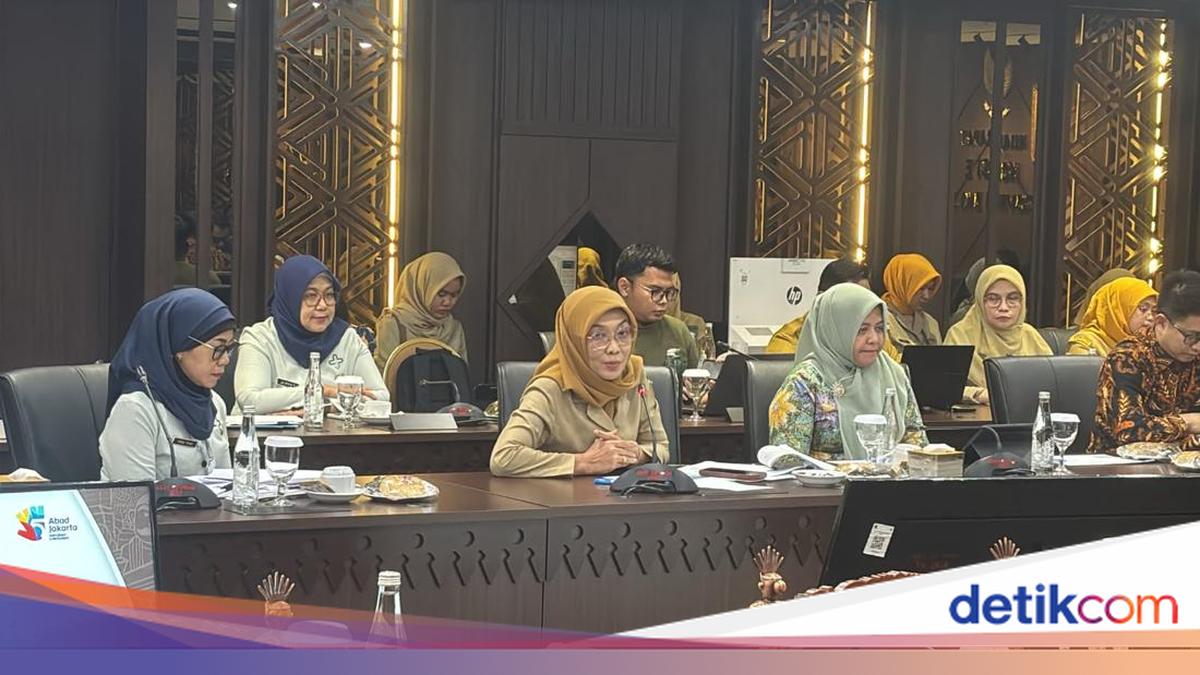
“Because there were indications of hypertension, anaemia and slight obesity, the community health centre referred her to Tanjung Priok Regional Hospital for her next pregnancy check-up,” Ani said at a meeting between Commission E of the Jakarta Regional Legislative Council and the city’s Health Office on Tuesday (24 November 2026).
Ani said the mother was only one centimetre dilated when she first arrived at the hospital. The medical team monitored her during labour, and the baby was born on 12 November 2026 at 7.52am, weighing 3,140 grammes.
After birth, the baby experienced breathing difficulties. The medical team provided respiratory support using continuous positive airway pressure (CPAP) and cared for the baby in the neonatal intensive care unit (NICU).
According to Ani, the baby’s condition improved and remained stable for about 30 hours. At 1.44pm on 13 November, the baby’s condition worsened, with rapid breathing and falling oxygen saturation.
At 4.18pm, the baby was placed on a ventilator. After stabilising the baby, a paediatrician at Tanjung Priok Regional Hospital decided that the baby needed to be referred to a hospital with more comprehensive specialist services.
“The paediatrician at Tanjung Priok Regional Hospital decided that the baby had to be referred to a hospital with greater capabilities,” she said.
Ani said the search for a hospital willing to accept the referral took place from 6.03pm to 7.21pm. Several hospitals with more comprehensive capabilities, including Cipto Mangunkusumo Hospital (RSCM) and Harapan Kita Women and Children’s Hospital (RSAB), were reportedly full.
Eventually, she said, Koja Regional Hospital confirmed that it had an NICU bed available at 7.21pm. However, the transfer was still held up by the availability of a newborn emergency transport system (NETS) ambulance.
Ani said the Jakarta administration had two NETS ambulances, both of which were at the time serving patients at other hospitals.
She said that six newborn referrals had to be handled by NETS ambulances within a nine-hour period, with requests arriving at nearly the same time. As a result, the baby at Tanjung Priok Regional Hospital was placed on a waiting list.
“So the baby at Tanjung Priok Regional Hospital had to be put on the waiting list,” Ani said.
She said transferring a critically ill baby required special preparations, as the baby was on a ventilator and had to be placed in an incubator for the journey.
The baby’s condition also had to be confirmed as stable before being moved into the ambulance and throughout the journey to the receiving hospital. The availability of an NICU bed at the receiving hospital also affected the timing of the referral.
The NETS ambulance arrived at Tanjung Priok Regional Hospital at 12.53am on 14 November. The baby reached Koja Regional Hospital at 1.50am and was treated by a paediatrician specialising in neonatology.
At 3am, the baby was pronounced dead. Ani said the Health Office had identified two areas for review: the 1-hour-and-18-minute search for a referral hospital, and the wait of about five hours for a specialist neonatal ambulance.
Ani said the Jakarta Health Office had conducted a clinical audit involving several professional organisations: POGI Jaya, IDAI Jaya and the Indonesian Midwives Association (IBI). The organisations’ assessment found that the delivery and the baby’s treatment had complied with protocols and were within the service capabilities of Tanjung Priok Regional Hospital, a class C hospital.
Nevertheless, the audit identified several areas for improvement, particularly communication with the patient’s family, coordination among staff, equipment readiness, and the referral process and timing. Ani said the agency would add NETS ambulances by converting advanced ambulances into vehicles dedicated to newborns. The measure is targeted for the short term, within one to three months.
In addition to expanding the fleet, the Jakarta Health Office will review ambulance operations, including staff scheduling, response times and the system for prioritising cases when several referral requests come in at once. Ani said the agency accepted responsibility and would be transparent about the case.
“We all remain responsible for explaining this incident openly, conducting an objective review and ensuring that every shortcoming becomes a basis for improvement,” she said.
Source: jawawa.id (https://jawawa.id/newsitem/jakarta-health-office-explains-timeline-of-babys-death-at-tanjung-priok-regional-hospital-1795503221)
Originally published by detikcom (https://news.detik.com/berita/d-8767321/dinkes-dki-jelaskan-kronologi-bayi-meninggal-di-rsud-tanjung-priok), translated from Indonesian