
Jakarta Governor Pramono Anung Holds Talks with DPRD DKI Leaders on Fiscal Condition and Development Budget
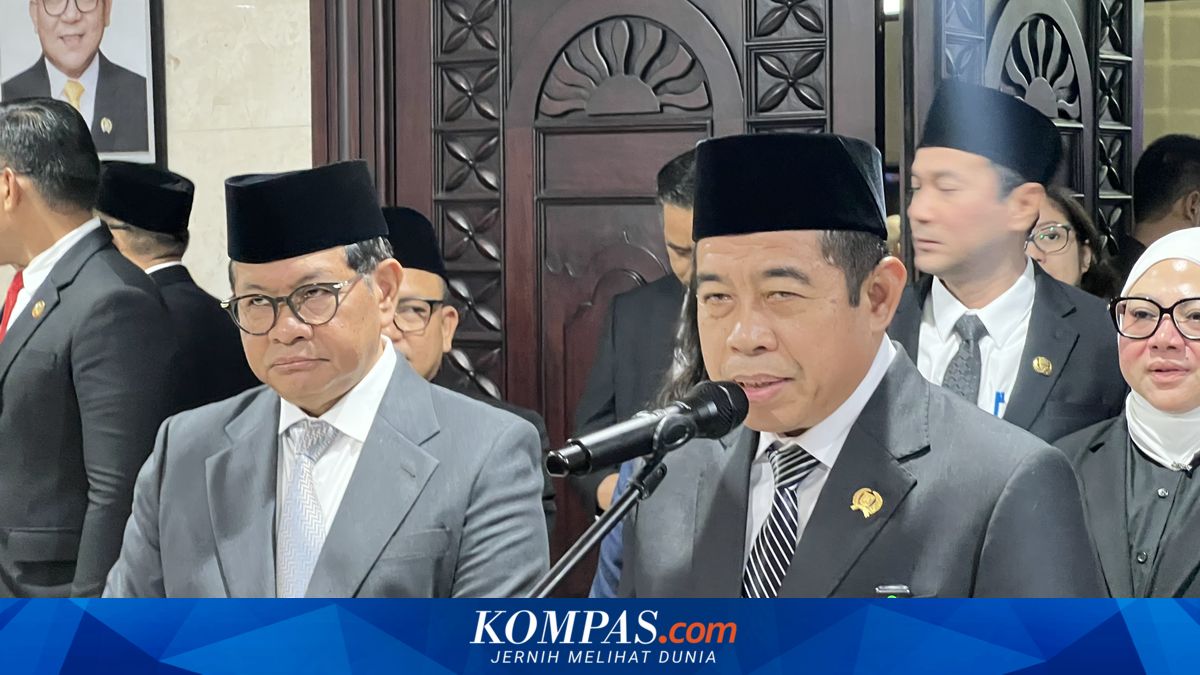
Jakarta Governor Pramono Anung convened a meeting with a number of leaders of the Jakarta Regional House of Representatives (DPRD DKI Jakarta) to discuss the region’s financial condition and Jakarta’s development budget for 2027. During the meeting, the Jakarta Provincial Government (Pemprov DKI) also discussed options for issuing sukuk or regional bonds to help finance Jakarta’s development. DPRD Jakarta Chairman Khoirudin said the meeting was attended by the Regional Budget Team (TAPD) to discuss the 2027 Regional Government Work Plan (RKPD 2027). In the meeting, Pramono conveyed that the global economy likewise affects Jakarta’s financial capacity. Moreover, the reduction in revenue-sharing funds (DBH) by up to Rp 15 trillion also impacts the space of the regional budget. ‘In principle, the Governor emphasised that the pressures on the economy, and the impact of the global economic pressures, affect our budget. And, from all that, the reduction in DBH continues to occur,’ he said. Nonetheless, Pemprov DKI assured that the basic services budget will be maintained. Education programmes, including KJP, KJMU, and KJP Plus, will not be cut. ‘Then, the Health Department budget must also not be reduced. These are basic public services,’ Khoirudin said. Amid budget pressures, Pemprov DKI is also considering a creative financing scheme. One option discussed is the issuance of regional sukuk or bonds by the DKI Jakarta regional government. However, he stressed that the plan to issue sukuk or regional bonds remains at the discussion stage. ‘This is also a choice, not yet decided, still only a discourse,’ Khoirudin said. Khoirudin added that the government would prioritise programmes directly related to the needs of the people. Meanwhile, programmes that do not directly touch on public service would be placed as a lower priority. ‘In general, those for the benefit of the people would be the priority. Those not directly connected with Jakarta’s public services would be deprioritised,’ he said.