
Jakarta Governor Backs Government Synergy to Protect Informal Waste Sector Workers
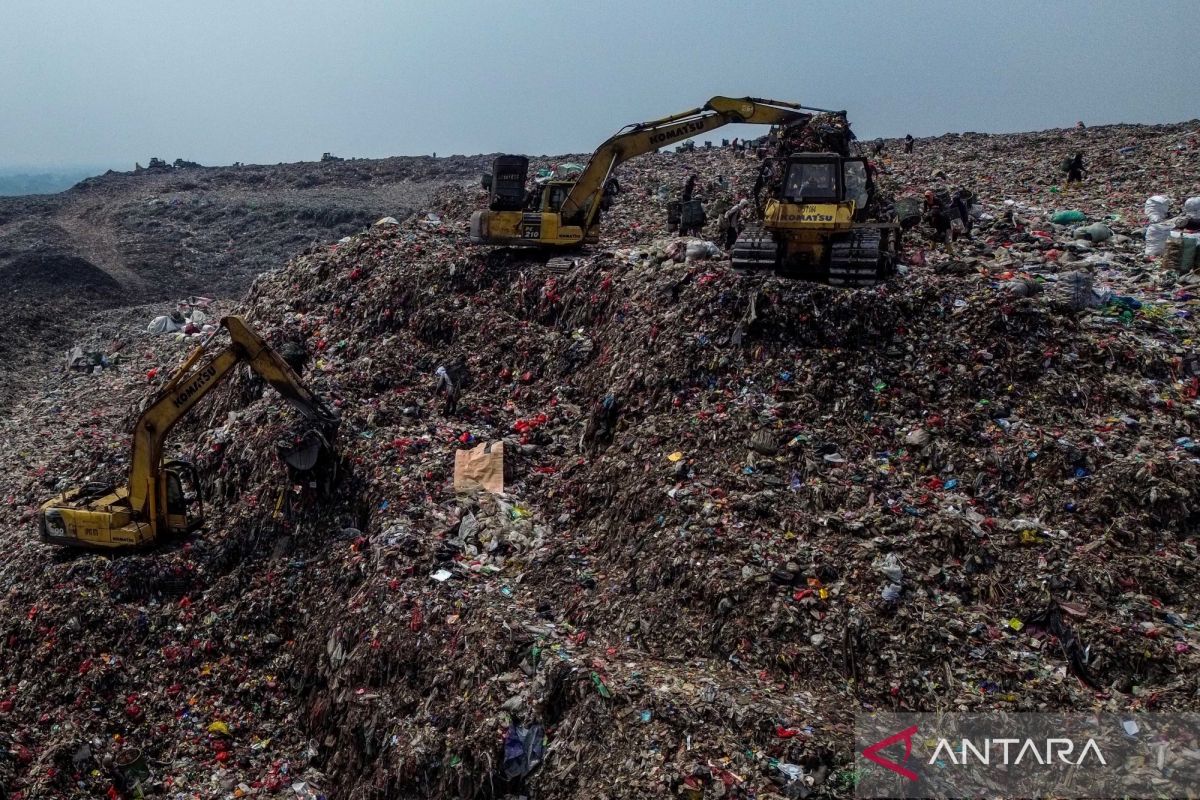
Jakarta Governor Pramono Anung Wibowo has expressed his support for central and regional government synergy in providing social protection for informal workers in the waste sector, including around 4,000 waste pickers at the Bantargebang Integrated Waste Treatment Plant (TPST) in Bekasi.
“The DKI Jakarta provincial government fully welcomes the central government’s initiative and we will provide full support to deliver real protection for informal workers in the waste sector, including the waste pickers at Bantargebang,” Pramono said at the RDF Rorotan facility in North Jakarta on Monday.
According to Pramono, as a global city that attracts international attention, Jakarta must have an increasingly better environmental and waste management system.
In terms of protection for informal waste workers, Pramono noted that since 2017, the DKI Jakarta provincial government has provided BPJS Ketenagakerjaan coverage to around 4,000 waste pickers at Bantargebang TPST by allocating budget for premium payments.
“Most recently, in 2026, we paid out approximately Rp806 million. We therefore request that this good programme can be continued together,” Pramono said.
He further expressed hope that collaboration between the central government, the DKI Jakarta provincial government, BPJS Ketenagakerjaan, the business community and the public can ensure that all informal workers in the waste sector receive adequate protection.
Meanwhile, Manpower Minister Yassierli stated that social protection for informal sector workers is part of the government’s efforts to ensure that all Indonesian workers obtain social security, whether in the formal or informal sector.
This protection covers occupational safety as well as guarantees should workers suffer work-related accidents.
“We want 100 per cent of Indonesian workers, whether in the formal or informal sector, to receive social protection,” Yassierli explained.
On the same occasion, Environment Minister Jumhur Hidayat appreciated Jakarta’s steps in transforming waste management.
According to him, Jakarta has a significant opportunity to become an example of integrated urban waste management.
Jumhur is targeting Jakarta’s waste problems to be managed comprehensively by 2028 at the latest through central and regional government collaboration.
Jumhur also mentioned that the government is currently preparing an Extended Producer Responsibility (EPR) policy that encourages producers to take responsibility for waste generated from their products.
The policy is expected not only to reduce the environmental burden but also to open new employment opportunities through the development of green jobs and the circular economy.
“Waste management does not necessarily have to be squalid. Jakarta shows that waste management facilities can be built properly and serve as an example for other regions,” Jumhur said.