
Jakarta government and transport operators agree to strengthen intermodal coordination
The Provincial Government of DKI Jakarta, together with road- and rail-based public transport operators, has agreed to strengthen intermodal coordination so that handling of service disruptions and emergency conditions can be carried out more quickly, in an integrated manner, and while maintaining public mobility.
The agreement was marked by the signing of a memorandum of understanding on Improving Business Continuity Resilience and Emergency Response for Jakarta Public Transport at DKI Jakarta City Hall, Central Jakarta, on Tuesday.
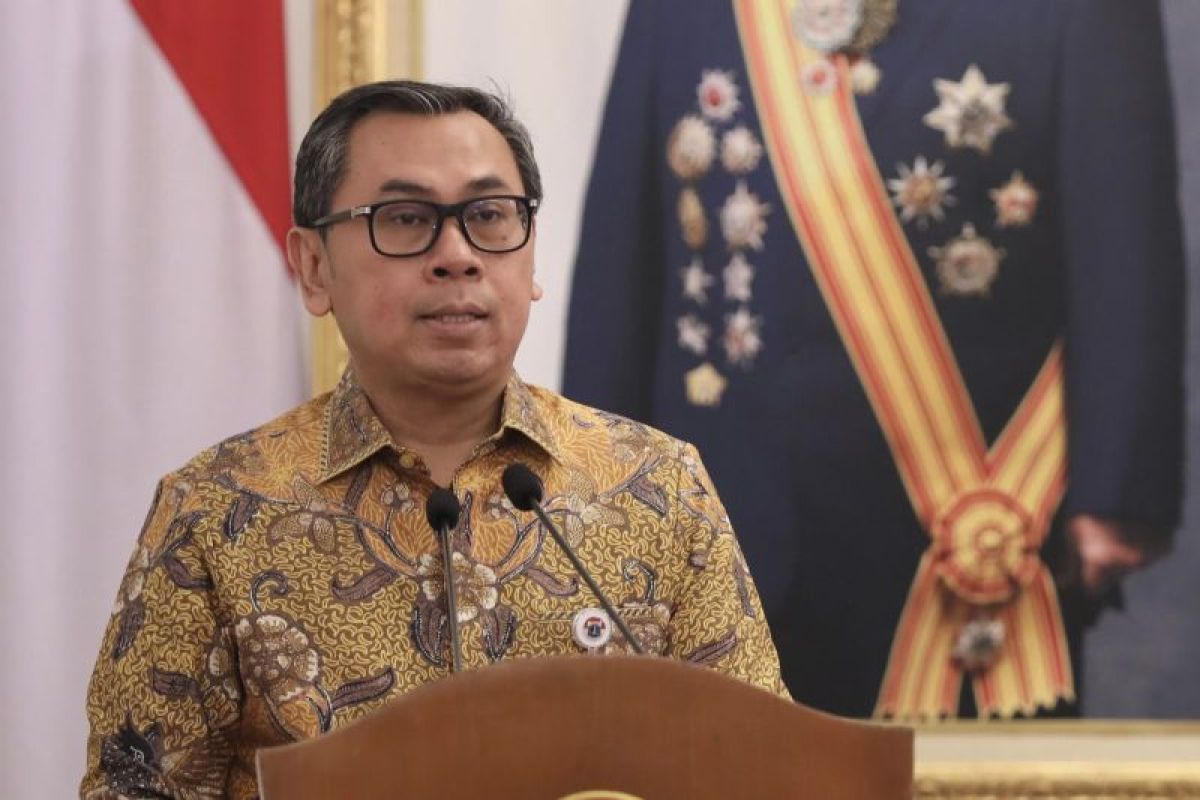
Deputy Coordinator of the Special Staff of the Governor of DKI Jakarta Yustinus Prastowo said collaboration among all operators is increasingly important as Jakarta’s public transport network expands.
“Intermodal synergy is very important because our main challenge is not merely coverage, but first and last mile connectivity so that public mobility is truly made easier,” said Yustinus.
According to him, public transport development aims not only to expand coverage but also to reduce travel time so that residents can use their time more productively.
“We are building reliable public transport to jointly ‘buy time’ as an investment in the future so that people do not spend their productive time stuck in traffic jams,” said Yustinus.
The DKI Jakarta Provincial Government is also encouraging integration of services and intermodal payment systems as part of strengthening the public transport ecosystem towards Jakarta’s five centuries.
Yustinus said the challenge ahead is integration of services and payment systems oriented towards residents’ needs, while also serving as the best gift for Jakarta’s 500th anniversary celebration.
Through this cooperation, the DKI Jakarta Provincial Government and operators will strengthen information exchange, prepare alternative travel routes, and improve joint readiness in facing disruptions.
The development of an integrated control centre is also expected to be a further stage to accelerate response and maintain the sustainability of public transport services in Jakarta.
“The signing of this memorandum of understanding strengthens coordination, accelerates information exchange, provides intermodal alternative routes, and joint preparedness in emergency conditions,” said Welfizon.
Going forward, he continued, his party hopes to develop an integrated Command Centre across all operators so that emergency response can be carried out more quickly, adaptively, and sustainably.
Currently, integration of public transport services in Jakarta is supported by 74 intermodal facility points, consisting of 43 KRL points, 12 Jabodebek LRT points, 13 Jakarta MRT points, and six Jakarta LRT points.
Throughout the second quarter of 2026, around 230 million public journeys were recorded across various public transport modes, with Transjakarta serving around 1.5 million customers per day, while KCI served around 1.2 million journeys per day.
This condition makes cross-operator preparedness increasingly important so that disruption to one mode does not have a broad impact on residents’ travel.