
Jakarta Feels Hotter in October 2026: Here’s Why
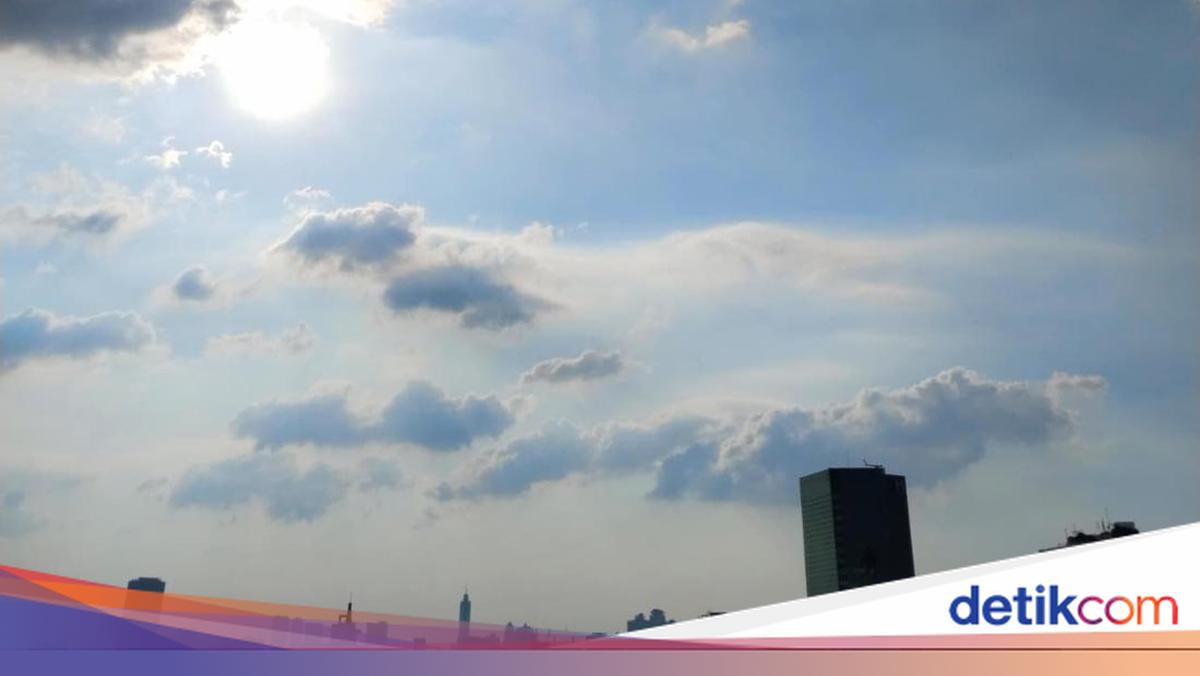
The Meteorology, Climatology and Geophysics Agency (BMKG) recorded October 2026 as the month with the highest national temperature anomaly. Temperatures during the period were 1.12°C above the 1991–2020 average, which was around 27°C.
“According to BMKG records, air temperatures in October 2026 were indeed hotter than normal. Nationally, October 2026 was recorded as the October with the highest temperature anomaly, at +1.12°C compared with the 1991–2020 average of around 27°C,” Kadarsah, the BMKG’s Coordinator for Climate Change Analysis, said in a statement on Wednesday (28 October 2026).
“However, for Jakarta, it is important to distinguish between temperatures being hotter than usual and a record for the highest temperature ever recorded,” he added.
He explained that records of the highest temperature anomalies in Jakarta differ from one station to another. At Kemayoran Meteorological Station, for example, the highest October anomaly was recorded in October 2024, at 1.25°C above the normal October temperature of 28.7°C.
At Tanjung Priok Meteorological Station, meanwhile, the highest anomaly was recorded in January 2003, at 1.83°C above the normal January temperature of 26.5°C.
“BMKG can report that October 2026 set a record for the highest national temperature anomaly for the month of October. This means that, in general, Indonesia experienced temperatures that were hotter than usual,” he said.
“However, this does not automatically mean that October 2026 was the hottest month ever recorded in Jakarta, because the highest-temperature records differ between observation stations,” he added.
Causes
The BMKG said Jakarta’s hot conditions were influenced by several factors, including a combination of astronomical, atmospheric and urban-environmental factors.
The first was the Sun’s apparent position. During this period, the Sun’s annual apparent movement across areas south of the equator increased the intensity of sunlight in Java.
“The Sun’s annual apparent movement across the southern hemisphere means that sunlight falls at a very steep angle over Java, causing thermal radiation intensity to peak,” he explained.
The second factor was atmospheric conditions. Limited convective cloud cover during the day allows more solar radiation to reach the surface, raising air temperatures.
The third factor was the urban heat-island effect. The BMKG said the prevalence of asphalt and concrete, vehicle emissions and limited green space meant that more heat was absorbed.
“The prevalence of asphalt and concrete buildings, vehicle emissions and a lack of green space absorb and trap heat for longer, including into the night,” he said.
Despite this, the BMKG forecast that temperatures in Jakarta in November would not be as high as in October.
“Temperatures in November in Jakarta will not be as high as in October,” he said.