
Jakarta Expands Free Training to Boost Worker Productivity
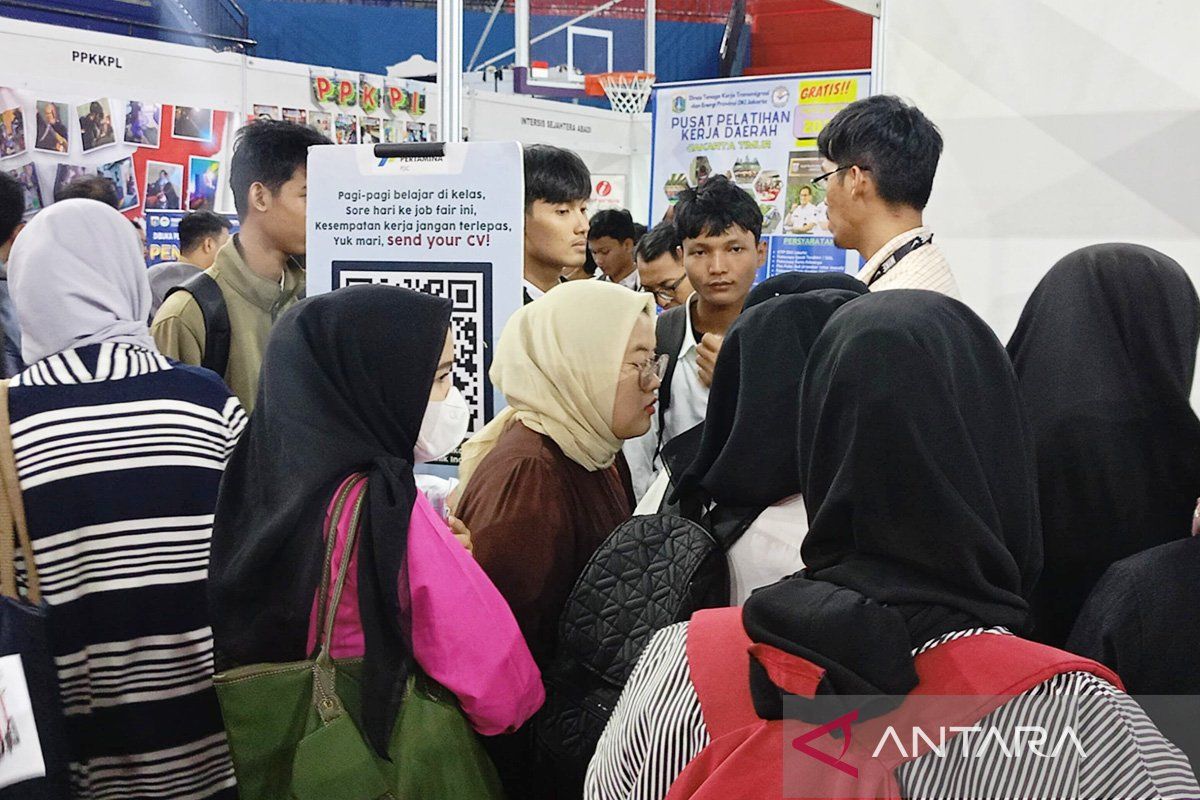
Jakarta (ANTARA) - The DKI Jakarta Provincial Government is strengthening collaboration with companies through a free training programme to improve the competence and productivity of the workforce, both for jobseekers and those already employed, so that they meet the needs of the business world and industry.
“To expand quality employment opportunities through several key strategies, including strengthening vocational training and competency certification based on labour market needs,” said the Head of the Workforce Placement Division of the DKI Jakarta Manpower, Transmigration and Energy Office (Disnakertransgi), Taufik, in Jakarta on Wednesday.
Taufik said that improving competence is not only intended for people seeking work; workers already employed at companies may also take part so that their work output improves.
“For those already working, the DKI Jakarta Regional Productivity Development Centre (P3D) is also present to increase their productivity or work output. The aim is to improve the quality and competence of the workforce so that it matches the needs of the business world and industry,” Taufik explained.
According to Taufik, the DKI Jakarta Provincial Government can collaborate with companies wishing to improve the competence of their workforce through training.
“We can train for free at companies that want to upgrade their workforce; they can collaborate with the P3D,” Taufik said.
In addition, the competency improvement programme forms part of the DKI Jakarta Provincial Government’s strategy under the Jakarta Bekerja programme in the DKI Jakarta Provincial Medium-Term Development Plan (RPJMD) 2025-2029.
Strengthening training is considered important to narrow the gap between workforce competencies and industry needs.
Moreover, the constantly evolving world of work requires human resources capable of adapting to change. Therefore, training is needed not only by prospective workers but also by those already in the industrial workforce.
Furthermore, Taufik emphasised that manpower issues require the involvement of many parties. The business world acts as the creator of jobs, educational institutions produce human resources, whilst the government serves as a facilitator in building the employment ecosystem.
“And finally, ensuring inclusive access to employment opportunities for women, persons with disabilities, young people, and other vulnerable groups,” Taufik said.
Through this collaboration, Taufik hopes that improving competence will not only help jobseekers find work but also increase the productivity of those already employed.