
Jakarta Environmental Agency Swiftly Repairs Bantargebang TPST, Operations Return to Normal
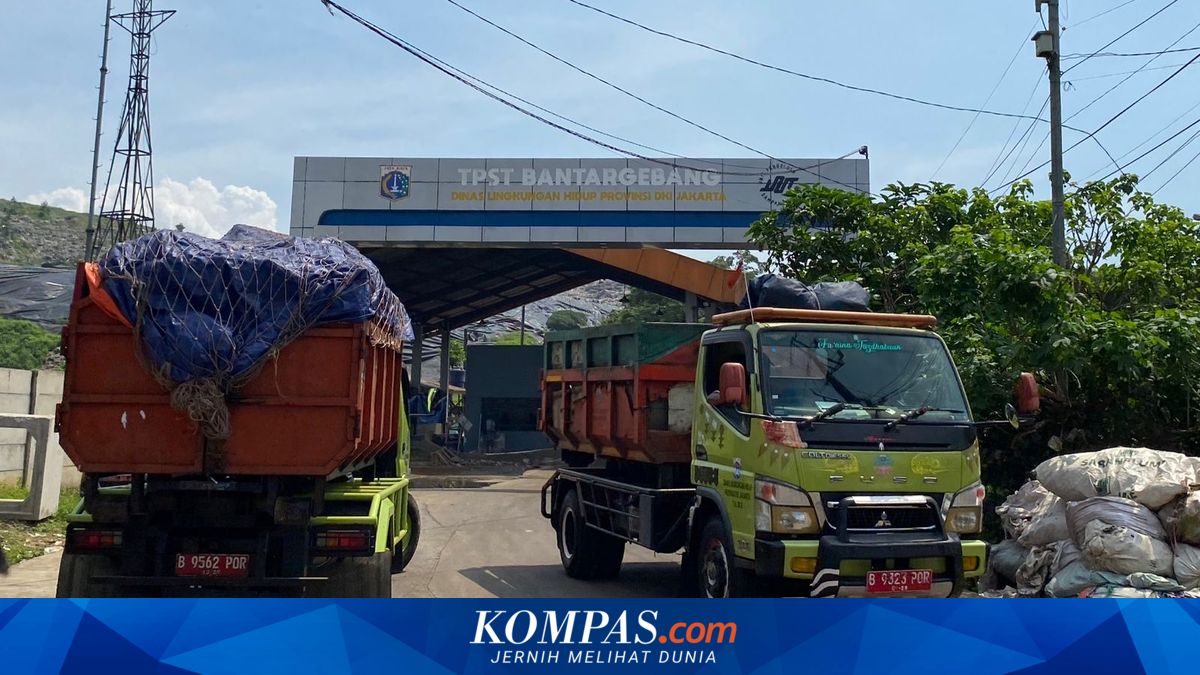
The operations of the Bantargebang Integrated Waste Disposal Site (TPST) in Bekasi are gradually recovering after experiencing a landslide in early March 2026.
This recovery is inseparable from the efforts of the Jakarta Special Capital Region (DKI) Environmental Agency (DLH), which has implemented several strategic measures to swiftly improve waste management and prevent new issues.
Shortly after the landslide, DLH DKI Jakarta conducted mitigation and rescue operations for the victims. In addition to evacuation processes, DLH immediately closed Zone 4A and redirected operations to Zone 3 and two new points.
Head of the DKI Jakarta Environmental Agency, Asep Kuswanto, stated that his team has optimised the distribution process at TPST Bantargebang through work system arrangements and the division of three shifts for waste truck transport. The aim is to prevent wait times exceeding three hours.
“Currently, TPST Bantargebang has returned to normal with a reception capacity of 900 loads per day. We are trying to cut down wait times. In addition to avoiding long queues, these efforts are also aimed at protecting the health and safety of the drivers (trucks),” said Asep in a statement received by Kompas.com on Tuesday (14/4/2026).
Asep continued that additional safety mitigation measures include preparing several safe points for drivers and scavengers in case of heavy rain. This is done to prevent similar incidents from recurring.
On the other hand, Asep also urged regional officials to promote the Waste Reduction and Sorting from Source Movement to the public. This movement is expected to spread throughout society as a form of participation in waste processing.
“This step is considered key to sustainably addressing Jakarta’s waste problems,” said Asep.
For information, the suspension of TPST Bantargebang operations led to waste accumulation at several points. Hundreds of trucks carrying waste could not unload, causing queues stretching 5 kilometres (km).
TPST Bantargebang receives 7,500 tonnes of waste per day. After 40 years of operation, its capacity has now reached 80 per cent. The waste sent here comes from five administrative regions in Jakarta as well as the Thousand Islands.
When TPST Bantargebang experienced the landslide, Asep maximised the presence of RDF Plant Bantargebang and RDF Plant Rorotan to temporarily accommodate waste.
Asep explained that while repairs are underway, waste processing is redirected to RDF Plant Bantargebang for 800 tonnes. Meanwhile, RDF Plant Rorotan will process 300 tonnes of waste, which will be increased to 750 tonnes. It will then be further increased to 1,000 tonnes per day.
“We also utilise the Bantargebang Waste-to-Energy Power Plant (PLTSa) to process 100 tonnes of waste. From these redirection efforts, the total waste that can be handled by the end of the weekend is 6,700 to 7,150 tonnes from Jakarta’s daily average waste of 7,400 to 8,000 tonnes,” explained Asep.
Asep added that these efforts are aimed at helping to process waste while maintaining the stability of waste processing to keep it running optimally. He explained that this step is part of the recovery of TPST Bantargebang operations while still safeguarding public services.
In preparing RDF Plant Rorotan, DLH Jakarta is committed to maintaining environmental aspects through strengthened odour control systems. In addition, DLH Jakarta will enhance cross-unit coordination to ensure more effective integration of waste management upstream (waste source), midstream (RDF Plant Rorotan and Bantargebang), and downstream (TPST Bantargebang).
“We are focusing on double-checking the readiness of RDF Plant Rorotan for waste processing. In addition, we are also monitoring control and strengthening the control system to ensure the quality of RDF output remains maintained. Beyond that, we are also maintaining coordination with the RDF Plant Rorotan Activity Monitoring Working Team. I hope that team continues to provide input so that the management of this facility improves,” explained Asep.