
Jakarta Environmental Agency: Staff Shortages Hinder Waste Sorting Education
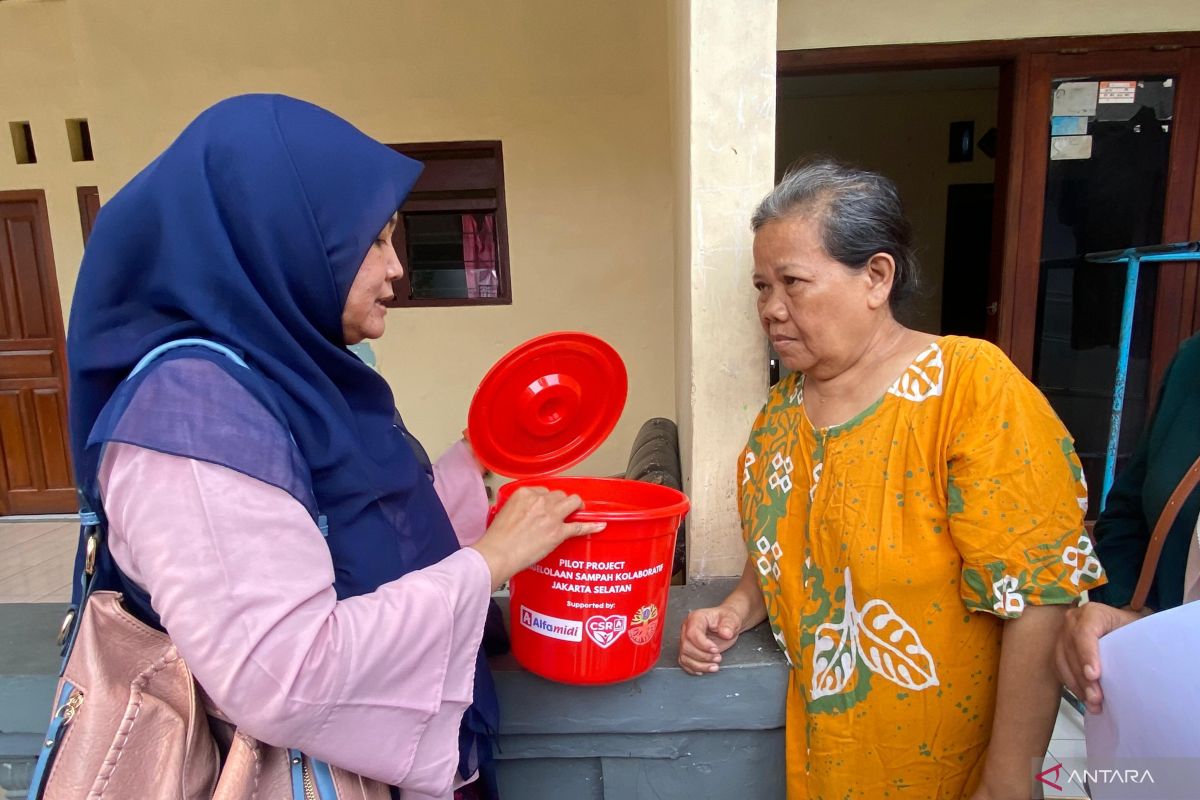
The Jakarta Environmental Agency (DLSK) has stated that a shortage of personnel is a significant obstacle to spreading education regarding waste sorting at the source across Jakarta.
“We lack the personnel to conduct education. Currently, there are volunteers assisting with direct education to residents,” said the Deputy Head of the Jakarta Environmental Agency, Purwanti Suryandari, during a pilot project for collaborative waste management in RW 06 Srengseng Sawah, Jagakarsa, South Jakarta, on Monday.
According to her, the limited number of staff is a primary constraint in providing direct education to the public. To overcome this issue, the Jakarta Environmental Agency is partnering with the private sector and volunteers to assist in providing facilities and delivering community education.
“That is why we are collaborating with the private sector to assist with waste sorting and education. At present, volunteers are helping to conduct direct education to residents,” Purwanti added.
She mentioned that to assist with sorting, residents from lower-middle-income groups will be provided with buckets to separate organic waste. This waste will subsequently be collected according to a predetermined schedule.
Meanwhile, residents from middle-to-upper-income groups will not receive buckets from the government, as they are expected to use their own bins. “Sorted waste can then be channelled through collection points or drop points provided by the agency,” Purwanti explained.
Furthermore, the Jakarta Environmental Agency is also educating waste collection officers to ensure they do not re-mix waste that has already been sorted. “If they do not collect it according to its type, we will not accept it. We will implement this gradually,” Purwanti noted.
She explained that the implementation of these rules must be done in stages to avoid new problems, such as illegal dumping. In the collection system, vehicles such as pickups will feature partitioned spaces based on waste types. For waste carts, specific containers will be provided to collect organic waste sorted by residents.
Purwanti stated that the collaborative model involving the private sector and volunteers will be expanded to other areas with lower rates of waste sorting. Through these efforts, the Jakarta Environmental Agency hopes that the public will become more accustomed to reducing, sorting, and processing waste at the source, thereby reducing the volume of waste that must be transported to the Bantargebang Integrated Waste Treatment Site (TPST).