
Jakarta East City Government Intensifies Education on Dangers of Consuming Sailfin Catfish
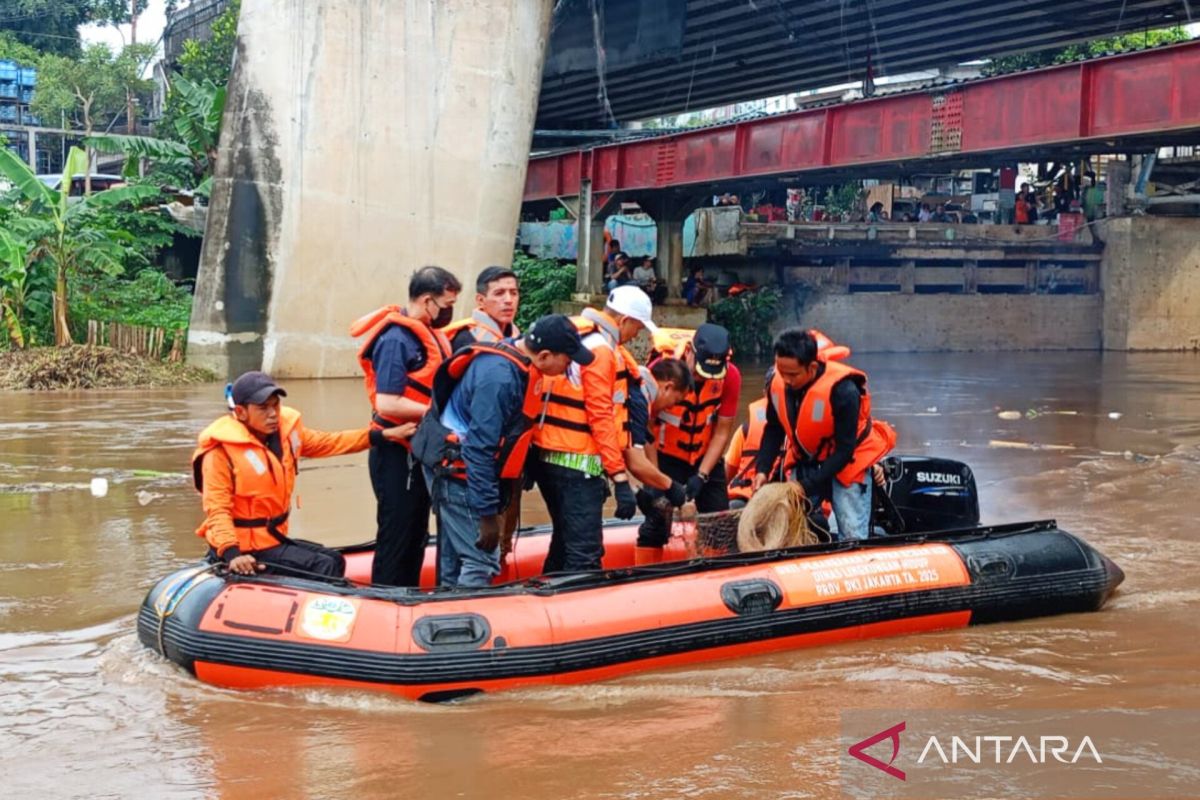
The Jakarta East City Government (Pemkot Jaktim) is intensifying educational approaches to the public to halt the consumption of sailfin catfish, deemed a health risk. “The key is to continuously provide warnings and educate the community on the dangers of consuming sailfin catfish,” stated Jakarta East Mayor Munjirin after a simultaneous sailfin catfish capture operation at the Ciliwung Eco Eduwisata Pier in Cililitan, Kramat Jati, Jakarta East, on Friday. This education accompanies findings that the fish contain hazardous substances due to living in polluted waters. Munjirin stressed the importance of changing the public’s mindset, which has long utilised sailfin catfish as a food source. Meanwhile, the Head of the Food Security, Maritime, and Agriculture Sub-Department (Sudin KPKP) for Jakarta East, Taufik Yulianto, explained that laboratory tests indicate sailfin catfish in Jakarta’s waters are unfit for consumption due to heavy metal content. “Laboratory results state that sailfin catfish in Jakarta are dangerous to consume,” Taufik said. According to him, the impacts of consuming the fish are not always immediate but can cause long-term health issues from the accumulation of hazardous substances in the body. Therefore, education continues, particularly for communities unaware of these risks. In addition to education, Pemkot is preparing follow-up measures such as water ecosystem recovery and restocking local fish like tilapia, providing the public with safer food alternatives. Through a combination of education and environmental restoration, Pemkot Jakarta East is optimistic that the habit of consuming sailfin catfish will decrease, better safeguarding public health. Furthermore, Taufik believes that through ongoing education, the public will be willing to abandon sailfin catfish consumption. Over time, the population of these fish is expected to gradually decline, giving opportunities for local fish to thrive. From a health perspective, Taufik revealed that the ban on consuming sailfin catfish is based on laboratory tests conducted by relevant agencies. These results show that sailfin catfish in Jakarta’s waters contain hazardous substances and are not fit for consumption. The heavy metal content in the fish’s body is a primary factor endangering human health, originating from the polluted aquatic environment and accumulating in the sailfin catfish. However, in the Jakarta context, the government firmly does not recommend this due to water conditions that do not yet meet standards. “If sailfin catfish were in clean waters, they might be consumable. But in Jakarta, we do not recommend it,” Taufik stated. Regarding health impacts, he explained that the effects of consuming sailfin catfish are not always immediately visible. However, in the long term, exposure to heavy metals can affect human physical condition. He also acknowledged that, to date, there is no detailed study specifically explaining clinical impacts from sailfin catfish consumption, such as damage to certain organs. Nevertheless, the precautionary principle is prioritised to protect the public from various potential risks. As known, Pemkot Jakarta East conducted a simultaneous sailfin catfish capture operation in 10 districts as a concrete step to maintain river ecosystem balance while protecting public health. The capture yielded 763 kilograms or 7.63 quintals of sailfin catfish in the operation across 10 districts.
Source: jawawa.id (https://jawawa.id/newsitem/jakarta-east-city-government-intensifies-education-on-dangers-of-consuming-sailfin-catfish-1776408650)
Originally published by Antara (Indonesian) (https://www.antaranews.com/berita/5530527/pemkot-jaktim-gencarkan-edukasi-bahaya-konsumsi-ikan-sapu-sapu), translated from Indonesian