
Jakarta DPRD to Discuss Jaklingko Card Tapping Fraud with BUMD
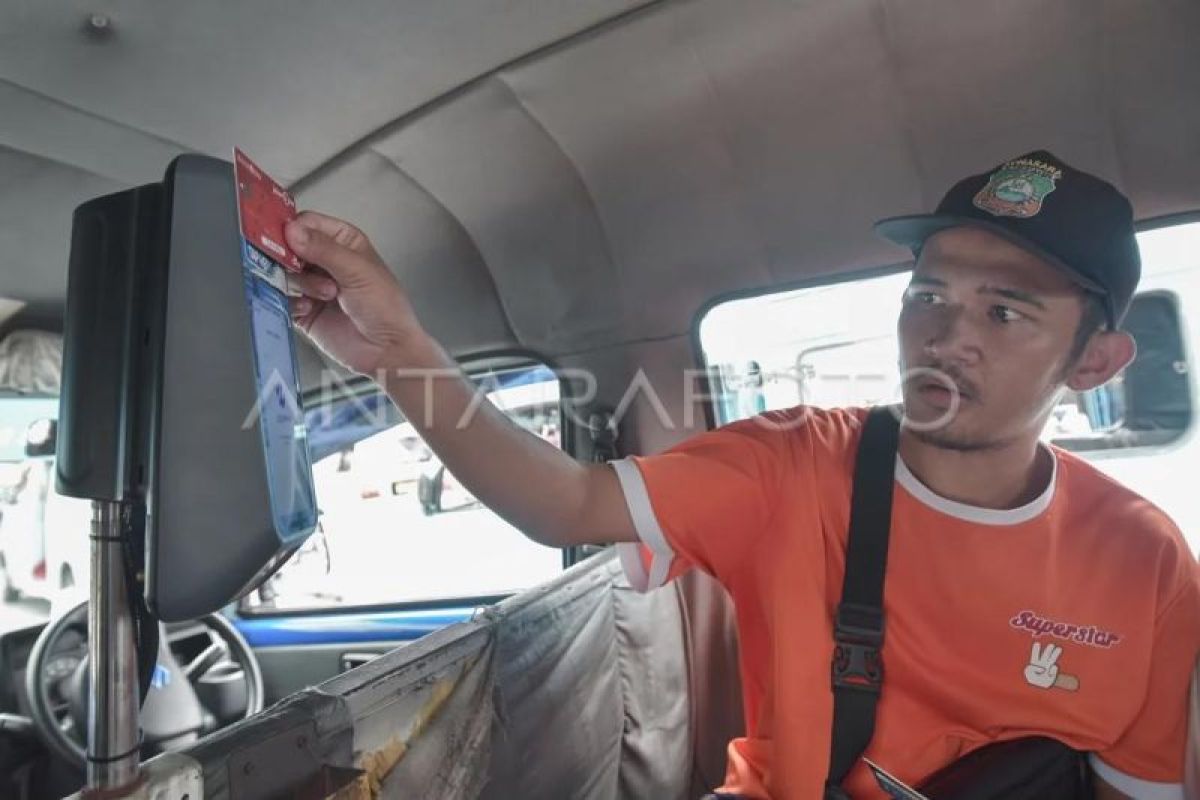
Jakarta (ANTARA) - The Jakarta DPRD will soon hold a meeting with regional-owned enterprises (BUMD) to discuss fraudulent card tapping practices by some Mikrotrans or Jaklingko operators.
DPRD member M. Taufik Zoelkifli stated that the meeting aims to address the troubling practice where drivers tap cards without actually providing service. “Indeed, this tapping practice is troubling. They have been given jobs as Mikrotrans operators, yet they commit fraud like this. We will discuss this specifically tomorrow. Tomorrow we will meet with the BUMD, Transjakarta, and the Transportation Agency,” Taufik said in Jakarta on Monday.
He also highlighted a proposal from the Jakarta Transportation Council (DTKJ) to implement a fare for Jaklingko services. Taufik believes this plan could curb the fraudulent card tapping by unscrupulous drivers. Currently, drivers face no financial loss for tapping cards without actually working. If a fare is applied, drivers would no longer be able to do this.
Taufik suggested that the fare should be set at just Rp1,000 to avoid burdening the public. “I think the proposed Rp2,000 fare needs to be reviewed further. One of the functions of Jaklingko or Mikrotrans is to reduce the use of private vehicles, especially motorcycles. If it’s Rp2,000, people will start calculating the costs,” he explained.
Previously, transportation observer Deddy Herlambang expressed a similar view. He recommended that Jaklingko should initially charge Rp1,000 to prevent a culture shock among the public. “I suggest a gradual approach, starting with a Rp1,000 fare. Then, after two years, it can be increased to Rp2,000 to avoid culture shock,” Deddy said.
Deddy assessed that imposing a fare on Jaklingko is not only about financing the service but also about building public awareness to appreciate public transportation more. According to Deddy, a completely free service can potentially lead some users to undervalue the quality of service provided. Therefore, implementing a fare is seen as a way to encourage a balance between the users’ right to good service and their obligation to contribute to the sustainability of public transport operations. “For example, with a free fare, people might still demand excellent service. If it’s paid, we can demand better service,” Deddy explained.