
Jakarta DPRD Leadership Urges Provincial Government to Take Three Steps to Face Drought Threat
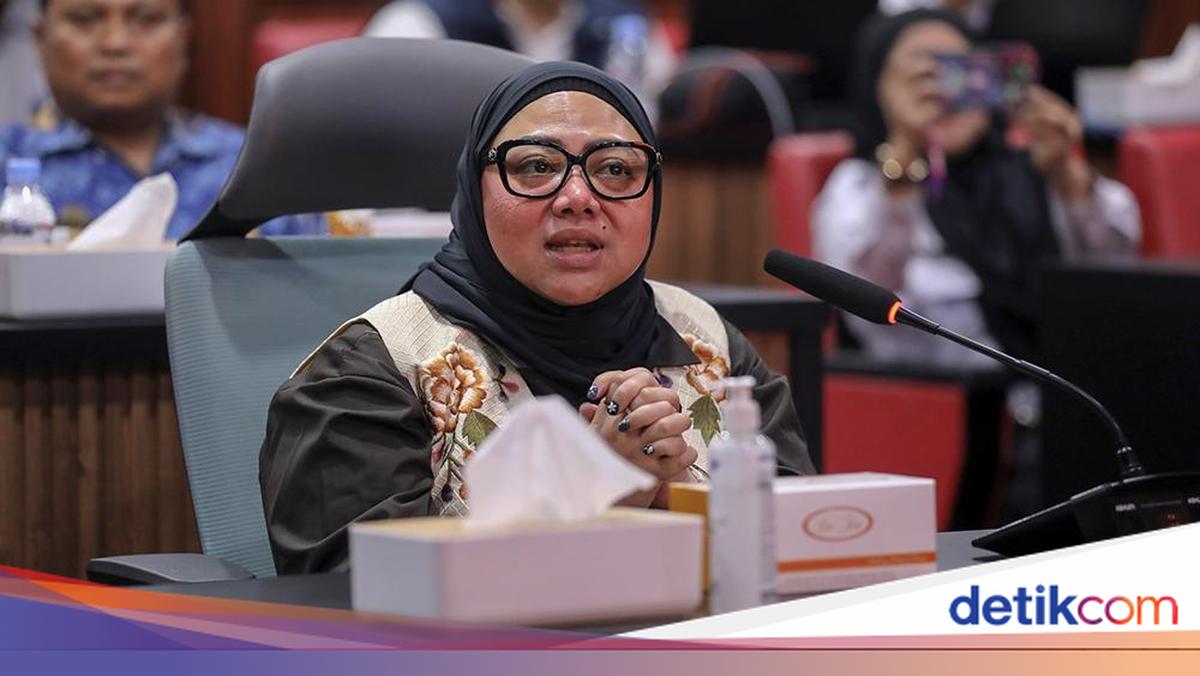
The Deputy Chairperson of the Jakarta DPRD, Rani Maullyani, has urged the Jakarta Provincial Government to take action after the BMKG predicted that several regions in Indonesia, including Jakarta, would face the highest potential for drought. She requested that the provincial government immediately implement anticipatory steps.
“In response to the BMKG warning regarding the high potential for drought in Jakarta during the peak of the dry season, I believe the Jakarta Provincial Government must take anticipatory steps early and not wait until water supplies for the community are disrupted,” Rani said when contacted on Saturday (1/8/2026).
Rani stated that there are three key areas the Jakarta Provincial Government must address: optimising raw water reserves, ensuring clean water distribution, and conducting water conservation campaigns.
“First, the Provincial Government needs to ensure the availability of raw water reserves and optimise the management of existing reservoirs, ponds, and reservoirs. Second, clean water distribution must be ensured to continue smoothly, especially for communities in areas prone to water shortages. Third, water conservation campaigns must be conducted in households, offices, and industrial areas,” she said.
Furthermore, she requested that coordination between the Jakarta Provincial Government, PAM Jaya, BMKG, BPBD, and surrounding regional governments be strengthened. This would allow mitigation measures to be implemented quickly and measurably.
“Jakarta may not be an agricultural region, but the water needs of millions of residents remain a priority that must be maintained,” she added.
She urged the Jakarta Provincial Government to take the BMKG warning seriously. “This BMKG warning should serve as a momentum to strengthen Jakarta’s long-term water resilience, including accelerating water infrastructure development, increasing rainwater harvesting capacity, and protecting catchment areas to minimise drought risks,” she noted.
BMKG Predictions
Previously, the BMKG stated that the peak of the dry season in 2026 is expected to occur from August to September. The BMKG predicts that most parts of Java, Bali, and southern Kalimantan will be the areas with the highest drought potential.
BMKG Secretary Utama, Guswanto, stated that rainfall in these regions is expected to remain below normal until early October. This condition necessitates early anticipation of potential drought, forest and land fires, and clean water crises.
“The areas with the highest drought potential during the peak dry season of August-September 2026 are most of Java, Bali, Nusa Tenggara, southern Kalimantan, and southern Sulawesi. These areas are predicted to experience below-normal rainfall until early October before rains begin to return,” said Guswanto on Friday (31/7).
Java is expected to be one of the most vulnerable regions. In addition to rainfall remaining below normal until October, water demand in this area is also very high as it serves as a centre for agricultural activity and is inhabited by a dense population.
Meanwhile, Bali and Nusa Tenggara are also predicted to face a fairly long dry season. Climatologically, these regions more frequently experience droughts, so the risk of forest and land fires is expected to increase during the peak of the dry season.
In Kalimantan, particularly the southern and central regions, below-normal rainfall has the potential to increase the number of hotspots that could trigger forest and land fires.
South Sulawesi is also expected to continue experiencing a rainfall deficit until September, necessitating vigilance regarding its impact on the agricultural sector and water availability.
“The peak of the dry season is expected to occur from August to September. The beginning of the rainy season will start in October in parts of western Indonesia and will expand in November,” said Guswanto.