
Jakarta Cracks Down on Illegal Waste Disposal, Fines Two Companies
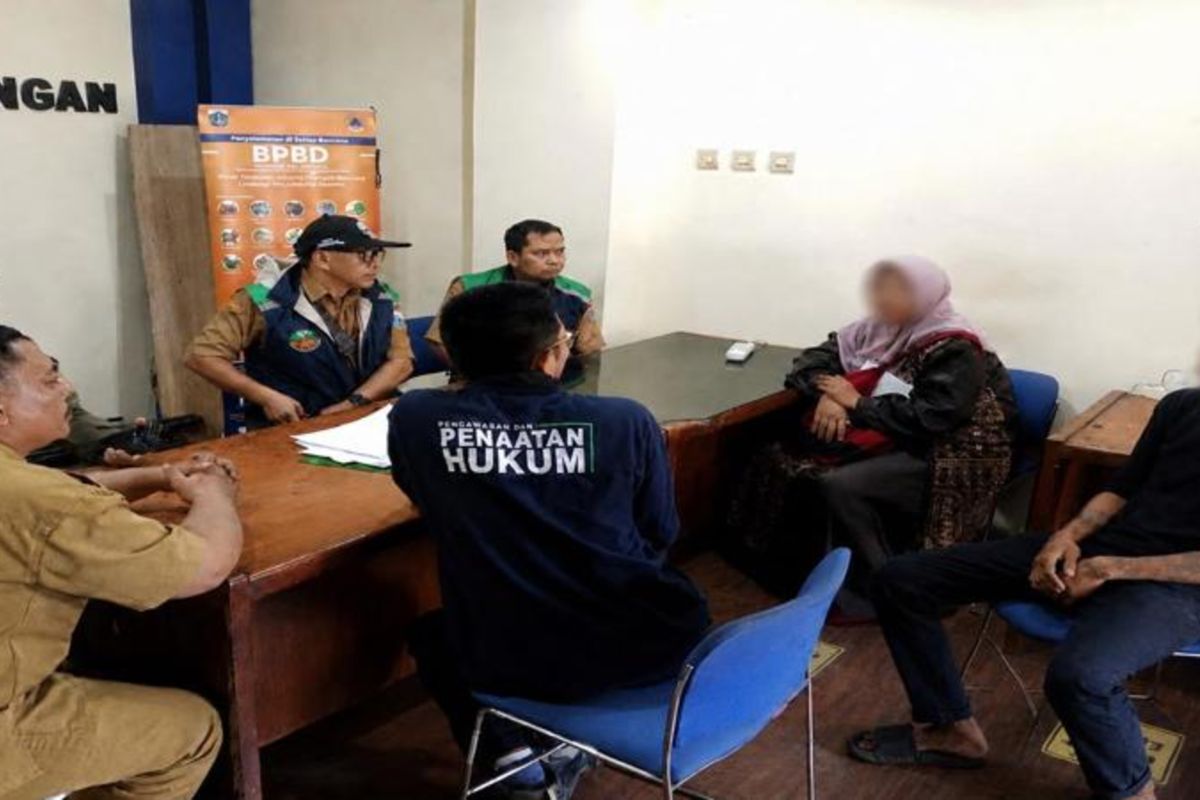
The DKI Jakarta Provincial Government continues to strengthen oversight and take firm action against service providers, companies and area managers that violate waste management regulations.
“Service providers and businesses must ensure that waste is transported, managed and disposed of through official systems,” said the Head of the DKI Jakarta Environment Agency, Dudi Gardesi Asikin, in an official statement on Wednesday.
Dudi stressed that the DKI Provincial Government will not tolerate illegal waste disposal practices that damage the environment and burden the city’s waste management system.
According to him, the enforcement of regulations is not only intended to have a deterrent effect, but also to build a more orderly, responsible and sustainable waste management system in Jakarta.
One example of this enforcement involved two waste transport service providers proven to have committed waste management violations in the Hutan Kota Penjaringan area of North Jakarta. Each company was fined Rp10 million and Rp5 million respectively.
Meanwhile, the Head of Supervision and Legal Compliance at the DKI Jakarta Environment Agency, Helmy Zulhidayat, explained that action was taken against CV TBB. A waste transport truck belonging to the company was caught dumping waste in the Hutan Kota Penjaringan area.
“Based on the results of the investigation, the company was subject to a compulsory payment of Rp10 million. The transport vehicle was also secured as collateral until its administrative obligations are met,” he said.
In addition, the DKI Jakarta Environment Agency imposed a Rp5 million compulsory payment on PT FJM, which was proven to have sold waste in the form of used drums and buckets to unlicensed collectors in the Hutan Kota Penjaringan area.
Helmy stressed that if offenders fail to comply with the sanctions or commit further violations, the DKI Provincial Government may impose further penalties up to revocation of permits, in accordance with Regional Regulation Number 3 of 2013 and Governor’s Regulation Number 102 of 2021.