
Jakarta Councillor Proposes Tax Exemption for 450-900 VA Electricity Customers
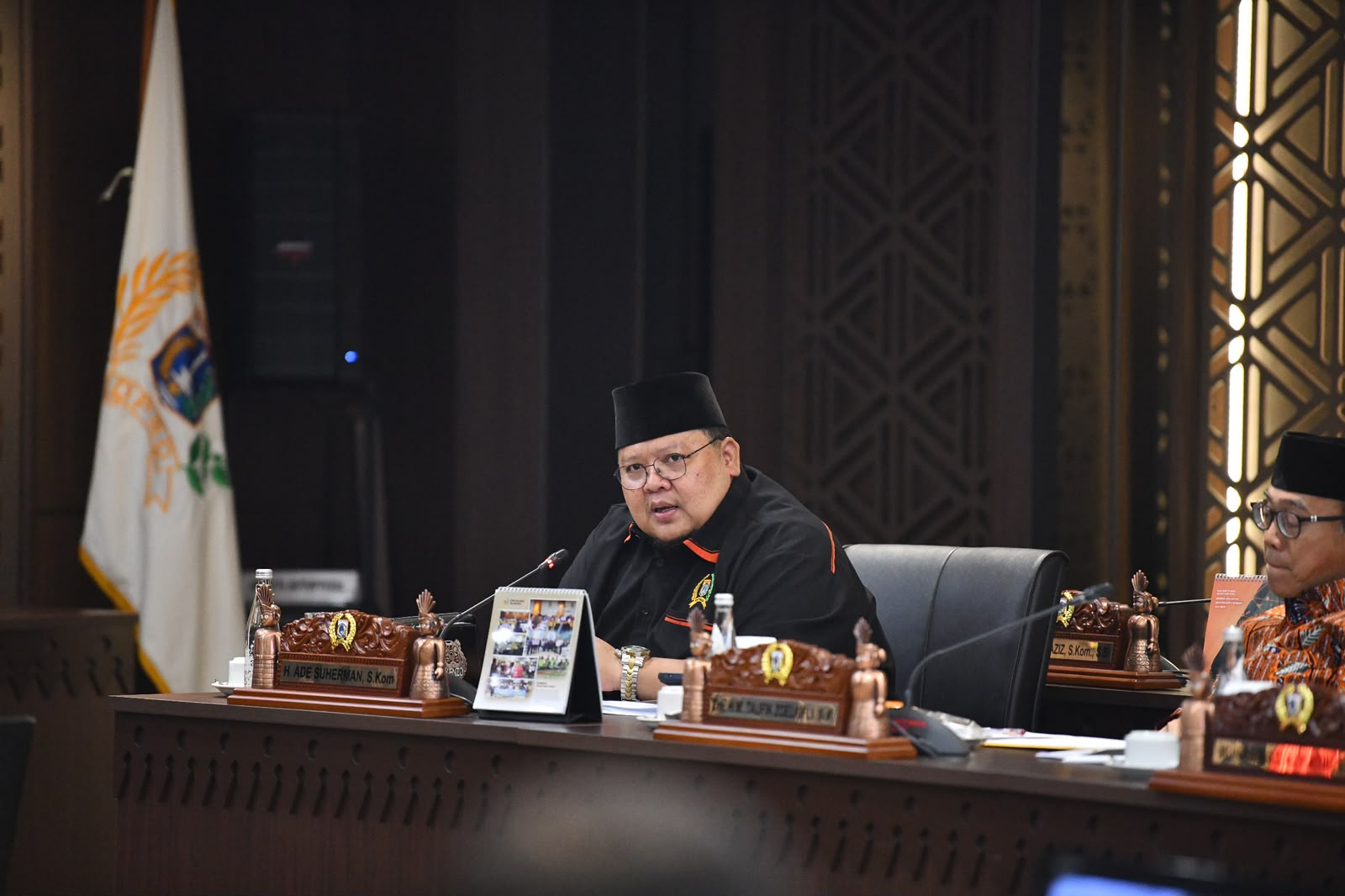
A member of the DPRD DKI Jakarta from the Prosperous Justice Party (PKS) faction and Commission B, Ade Suherman, has proposed that households with 450 VA electricity capacity, and even considering up to 900 VA, be exempted from the Specific Goods and Services Tax (PBJT) on Electricity. The proposal was submitted during the deliberation of the Draft Regional Regulation on Regional Taxes and Regional Levies as a form of partiality towards low-income communities.
According to Ade, electricity is a basic necessity that cannot be separated from daily life. Amid economic pressures and the rising cost of living, the government needs to present fiscal policies capable of easing the burden on ordinary people. “Households with 450 VA to 900 VA electricity capacity are generally groups of people who need protection. Therefore, we propose that they be exempted from the Electricity Tax as a form of partiality towards the common people,” he said, as quoted from a press release received on Tuesday (14/7).
Ade assessed that the policy is in line with the spirit of social justice and can help maintain people’s purchasing power. According to him, the optimisation of regional revenue can still be carried out through other sectors with greater economic capacity, without burdening the most vulnerable groups. “Taxes are indeed important to finance regional development. However, tax policies must also bring a sense of justice. Do not let people with limited economic capacity bear a heavier burden,” he stated.
He added that the success of development is not only measured by the amount of regional revenue, but also by the extent to which government policies are able to protect and improve the welfare of the people. According to Ade, granting tax exemptions for low-capacity electricity customers is one instrument to maintain purchasing power while strengthening social protection amid challenging economic conditions.
“The government must be present through policies that take sides. For some families, electricity expenditure is a basic need that must be met every month. Therefore, tax policies must provide space so that people can meet their basic needs more easily,” he explained. Ade hopes that this proposal can become part of the refinement of the Draft Regional Regulation on Regional Taxes and Regional Levies, so that tax policies in DKI Jakarta not only strengthen the region’s fiscal capacity but also reflect partiality towards low-income communities.
“Building Jakarta as a global city must go hand in hand with delivering justice for all its citizens. Do not let development advance, but ordinary people become increasingly burdened. The principle of social justice must be the spirit in every tax policy,” he concluded.