
Jakarta Council Backs Piped Water Network Expansion
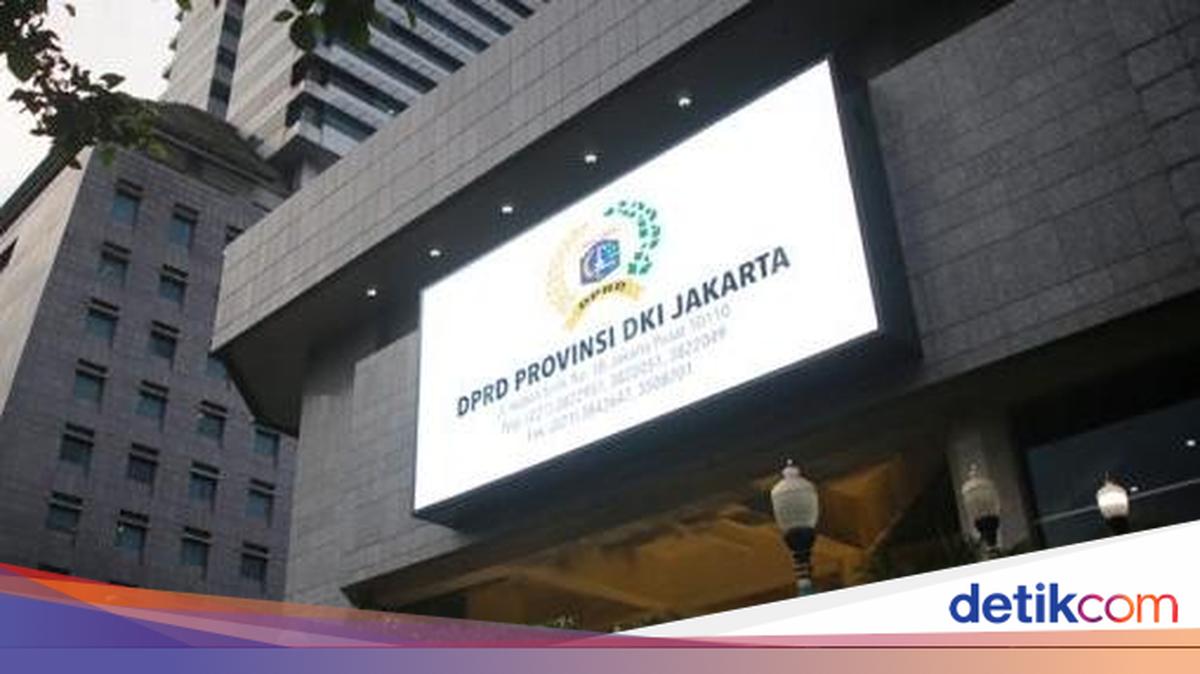
The Jakarta Regional House of Representatives (DPRD DKI) supports and oversees the development of the piped water network as an effort to improve access to quality clean water services for the community. Chair of Commission D of DPRD DKI Jakarta, Yuke Yurike, stated that through its oversight and budgeting functions, the council is pushing for the acceleration of piped drinking water service coverage expansion so that more residents can obtain a supply of safe, proper, and sustainable water.
“The DPRD is committed to ensuring that the budget allocation for water network development is on target and provides benefits to the wider community, especially low-income groups,” Yuke said in a written statement on Wednesday (10/6/2026). The DPRD also continues to supervise various piped water network development programmes. She explained that this aims to extend service coverage to areas that remain unserved. “Regarding the pipe installation that has been budgeted for,” she stated.
She said clean water services must side with ordinary people, as well as serving industrial needs. Access to clean water is a basic right that must be a priority for the regional government. “It must be prioritised,” Yuke asserted.
Meanwhile, President Director of PT PAM Jaya (Perseroda), Arief Nasrudin, said the utilisation of technology represents an effort to address the ever-increasing challenge of supplying clean water. Research and development must be undertaken continuously, given that innovation in the water management sector is constantly evolving.
One technological development is the use of equipment capable of capturing water content from the air, processing it into ready-to-drink water. This technology works by utilising the water content found in the atmosphere. “Capturing water droplets from the air and processing them,” Arief revealed. The technology is planned to become part of a Water Hub or Water Station facility. Placement is slated for the Sudirman-Thamrin corridor.
Eventually, the public will be able to access drinking water directly and free of charge in that area. Currently, the construction of the facility is still in the preparatory stage. The working principle of atmospheric water capture technology is not much different from the condensation process in air conditioners. Several African countries have already used similar technology. “Because their water sources are difficult to obtain, it has ultimately been made into one of the water sources for pipe installation,” Arief concluded.